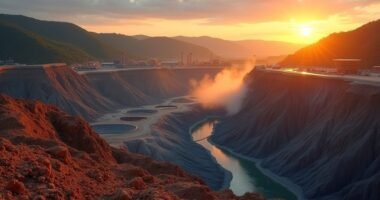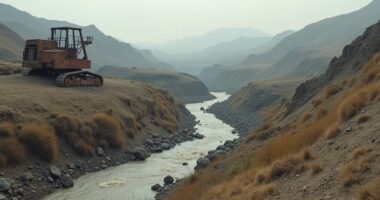

Financing for transformation mineral mining is catching some serious flak. Why? Well, picture banker types tossing $37.7 billion at mining ventures, only to reveal the plot twist: human rights violations galore and ecosystems waving white flags. From child labor in cobalt pits to Indigenous communities bearing extraction’s brunt, it’s a reality check shaking the finance world. Institutions like Citigroup might need new dance steps—perhaps in ethical shoes. Just wait until you see what else is unfolding.
Quick Overview
- Financial institutions are criticized for funding mining operations associated with human rights abuses and environmental harm.
- Significant financial backing from major banks like Citigroup and BNP Paribas contributes to mining-related societal and ecological issues.
- Mining activities lead to serious human rights violations, including child labor and unsafe working conditions.
- Indigenous communities disproportionately suffer due to extractive practices funded by financial institutions.
- Ethical and sustainable investment practices are increasingly demanded to mitigate negative human rights impacts in mining.
Exploring Human Rights and Financial Responsibility in Transition Mineral Mining
When it comes to the world of transformation mineral mining, it seems there’s more to unearth than just shiny rocks. Behind the glitz lies a narrative riddled with human rights quandaries that could make anyone squirm. Child labor in cobalt mines? Unfortunately, yes—think Oliver Twist meets a toxic warehouse. Communities battle hazardous chemical runoff like a real-life version of dodgeball, only they’re not winning any championships. Miners contend with occupational perils worse than Monday morning traffic, with hazardous conditions like ground collapses causing constant danger. It’s a dirty job, and it’s our collective responsibility to shine a spotlight brighter than a diamond on these gritty realities. Notably, Indigenous Peoples disproportionately affected face numerous allegations impacting their rights, emphasizing the urgent need for equitable solutions in transition mineral mining. Understanding how these issues fit into broader systems requires examining environmental and social impacts across the entire supply chain, from raw material extraction to finished product delivery.
How Financial Institutions Contribute to Social and Environmental Violations
Imagine for a moment that financial institutions are the unseen puppet masters behind shift mineral mining. Like a hidden maestro, they direct billions—USD 37.7 billion, to be exact—toward operations with environmental and social consequences that would make even a villainous cartoon character blush. Citigroup and BNP Paribas top the charts in backing ventures resulting in water pollution, land grabs, and labor abuses. It’s not just bad environmental karaoke; the damage is real and documented in the Amazon and elsewhere. Critics highlight land rights violations, while financial titans seemingly shrug off due diligence. Communities, farmers, and indigenous peoples are often the most affected by these aggressive extraction practices, leading to widespread detriment. It’s high finance with a human cost. In Southeast Asia alone, 43% of funding flowed toward such ventures, emphasizing the risk of forest destruction and Indigenous rights violations. Protecting the regions surrounding these mining operations requires urgent attention to habitat protection strategies that safeguard the ecosystems and species diversity most vulnerable to industrial extraction.
Reforming Practices for Ethical Mining Investments
Stepping onto the stage of ethical mining investment reform, let’s plunge into a world where certification standards aren’t just decorative lapels but badges with real clout. With Fairmined certification and others like LBMA’s Responsible Gold Mining Principles, mining companies are now being held accountable for their sourcing methods. Imagine these certifications as the gold star your report card sorely needed. Yet, this isn’t just paperwork theater; it’s about genuine responsibility. While humorous as it sounds, environmentally and socially responsible mining is like a green smoothie—good for the earth and the wallet. Investors are drawn to high ESG ratings like bees to nectar. Efforts required to minimize chemical substance use and environmental impact are crucial for aligning with the growing demand for responsible investment choices. Gold sourced under strict environmental and social standards ensures that investments support responsible mining operations, aligning with the growing demand for responsible investment choices. Responsible mining operations increasingly incorporate site rehabilitation practices to restore ecosystems and reduce long-term environmental damage following mineral extraction.