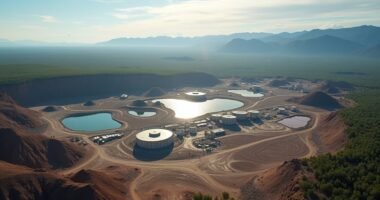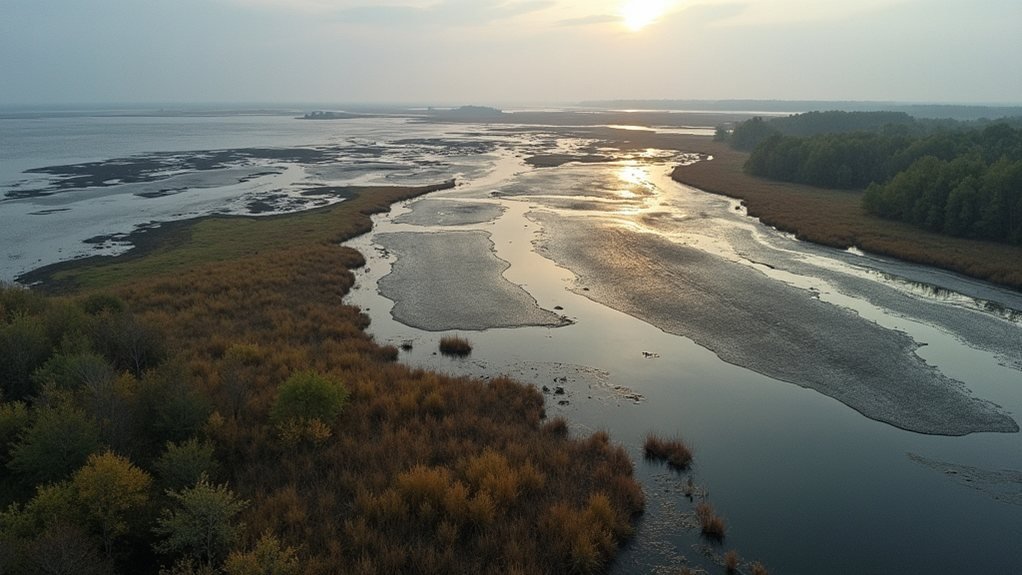

The Michigan oil spill catastrophe has made quite a splash—literally. It turned out that the contamination of sensitive wetlands was four times larger than first reported, leading to severe ecological damage. With over 20,000 barrels of oil released and tons of soil removed, the recovery process is shaping up to be a marathon, not a sprint. While the environment still has a fighting chance, the long road ahead is filled with challenges. Stick around to uncover what’s next for these struggling ecosystems.
Quick Overview
- The Michigan oil spill released approximately 20,082 barrels of oil, affecting wetlands significantly more than initial reports suggested.
- Contaminated area expanded from half an acre to 6.5 acres, indicating a larger environmental impact.
- Sensitive wetlands faced severe ecological repercussions due to extensive oil contamination.
- Cleanup efforts included removing 6,750 tons of contaminated soil, highlighting the scale of the contamination.
- Ongoing monitoring is essential as decreasing contaminant levels show progress but full remediation will take years.
Michigan Oil Spill: Scale, Impact, and Cleanup Efforts
While one might think that an oil spill is just a messy inconvenience, the Michigan Oil Spill of 2010 proves to be a staggering environmental catastrophe that left a lasting mark on the region’s ecosystems.
Approximately 20,082 barrels of oil gushed into Talmadge Creek, transforming a picturesque tributary into a hazardous zone. This incident, one of Michigan’s largest spills, sent ripples through the Kalamazoo River system and into the connected Lake Michigan. In contrast to the current statistics, which show a significant reduction in oil spills, the impacts of this disaster continue to be felt. This is particularly concerning as data indicates that the human-use resources in Lake Michigan are at risk due to such spills.
Cleanup efforts are ongoing, showcasing a commitment to restoration as multiple agencies tackle the monumental challenge of returning this essential ecosystem to its former glory. Effective conservation often relies on ecosystem-based approaches to restore habitats and reduce long-term damage.
Nature, after all, deserves a second chance.
What Are the Environmental Impacts of the Michigan Oil Spill?
The Michigan Oil Spill of 2010 was not just a blip on the environmental radar; it released a cascade of ecological repercussions that ripple through the region to this day.
Originally affecting half an acre, the spill ballooned to 6.5 acres, contaminating sensitive wetlands. With over 6,750 tons of soil removed, the ongoing risk to wildlife remains significant. Sustainable forest management practices can help guide long-term habitat recovery by maintaining biodiversity and ecosystem function. Despite no immediate groundwater contamination, tributaries nearby face potential threats. The spill disrupted essential functions like water filtration, making the ecosystem resemble a wobbly Jenga tower, precariously close to collapse. Total of more than 9,000 gallons of crude oil was released into the environment, compounding the severity of the disaster. Approximately 9,200 gallons released, exceeding initial estimates underscores the magnitude of this environmental crisis.
Recovery promises to be a lengthy endeavor, echoing nature’s slow healing process.
Cleanup Efforts and Future Outlook
Amidst the lingering echoes of the Michigan Oil Spill, cleanup efforts are steadily unfolding, showcasing a determined commitment to restoring the affected ecosystem.
Over 137,544 gallons of contaminated groundwater and 6,750 tons of tainted soil have been removed, thanks to vacuum trucks and absorbent booms. Groundwater contamination has been detected, complicating the remediation process. Additionally, the U.S. Coast Guard’s recent funding announcement for projects aimed at enhancing oil spill detection and response underscores the ongoing commitment to address such challenges.
However, access challenges and winter freezes complicate the process. Picture a stubborn winter blocking the way to a party—you can’t rush it. Effective water conservation measures can help protect surrounding freshwater resources during recovery efforts.
With regulatory oversight ensuring safety, the future looks hopeful.
Though full remediation is years away, decreasing contaminant levels signal progress, proving that patience, much like a good stew, can yield delicious results.