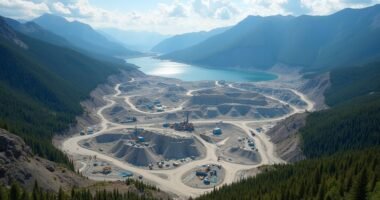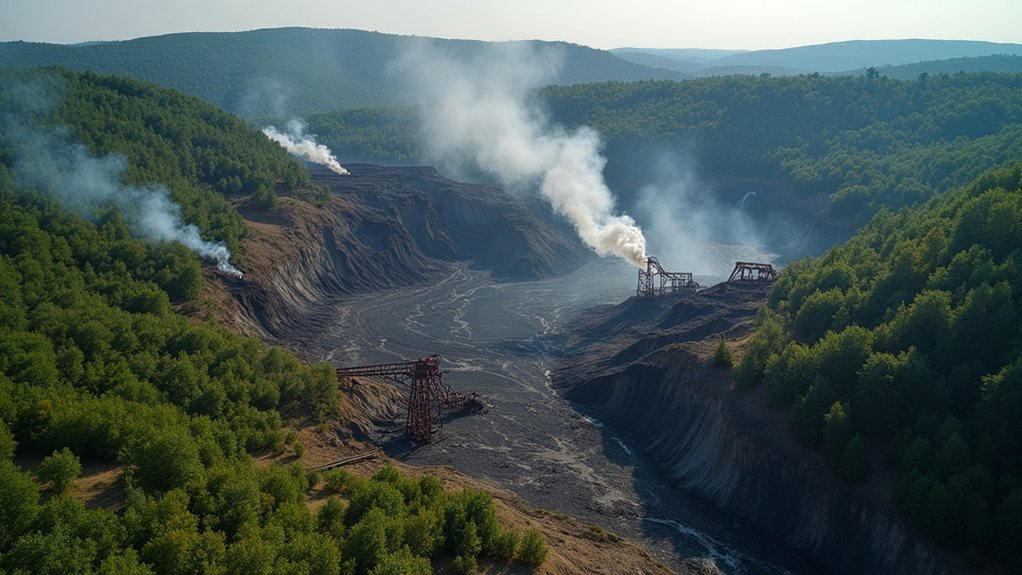

Pennsylvania’s underground coal fires have been burning since the 1960s, ignited by a careless trash-burning incident near an old mine. These fiery beasts are estimated to smolder for over 250 years! As they heat up, they release toxic pollutants like carbon monoxide, harming the environment and aquatic life. Management efforts involve innovative monitoring and community engagement. But just like a stubborn stain on a favorite shirt, these fire risks need continuous attention. Want to learn how they’re managed?
Quick Overview
- Pennsylvania’s underground coal fires began in 1962 and are expected to burn for over 250 years due to their ignition from trash burning at a mine entrance.
- These fires release harmful pollutants, affecting air quality and contaminating over 3,300 miles of streams, damaging aquatic ecosystems.
- Current management strategies include innovative monitoring and tailored remediation techniques to address each specific fire’s characteristics.
- Community engagement and advanced technologies, like thermal GPS, are being developed to improve detection and management of coal fires.
- Proper waste management practices are crucial in preventing future underground fires and minimizing environmental impacts from coal mining.
How Did Pennsylvania’s Underground Coal Fires Start?
In the bustling town of Centralia, Pennsylvania, an underground fire began its slow, smoldering journey toward infamy, and it all started in the spring of 1962—a time when the borough was more concerned with cleaning up than with the potential consequences of their actions.
The fire likely ignited when local workers, hoping to tidy up, burned trash at an old mine entrance. Hot coals from their fire slipped through an unsealed opening, setting off a chain reaction in the labyrinth of abandoned coal mines beneath. The town’s oversight and neglect of fire regulations turned a simple cleanup into a fiery disaster, resulting in a fire that is estimated to continue burning for over 250 years. Due to human activities, such as mining and rural coal collection, the fire spread rapidly, exacerbating the situation even further. This environmental catastrophe exemplifies the importance of waste prevention as the highest priority in proper waste management practices.
What Are the Environmental and Health Impacts of Coal Fires?
While many might think of coal fires as just another quirky environmental issue, the truth is these smoldering beasts pose serious environmental and health threats that demand attention.
Underground fires release thousands of tons of toxic pollutants, including mercury and carbon monoxide, choking the air in nearby communities. They also contaminate over 3,300 miles of streams, harming aquatic life and drinking water. Moreover, the environmental damage from coal mining can last for millennia, compounding the risks posed by these underground fires. Additionally, these fires often result from careless human activities, further emphasizing the need for better management practices.
And let’s not forget the ground—these fires can cause deadly collapses, turning backyards into sinkholes. With temperatures soaring to 1,400 degrees Fahrenheit, coal fires aren’t just hot; they’re a sizzling hazard to both health and the environment. These underground infernos also contribute significantly to scope 1 emissions, directly releasing greenhouse gases from controlled sources that worsen climate change.
Managing Coal Fires: Current Efforts and Future Strategies
Managing coal fires in Pennsylvania is no small feat, especially when one considers the unique challenges posed by these underground infernos.
Current efforts focus on innovative monitoring systems and remediation techniques designed to snuff out the smoldering chaos. Think of it as an extensive game of Whac-A-Mole, where each fire requires tailored strategies. Wildfires can cause significant damage to ecosystems and communities, underscoring the importance of effective management. Additionally, proactive measures such as targeted operational practices can be vital in preventing further incidents and mitigating risks.
Future strategies may include community engagement and advanced technology to detect heat signatures—essentially giving coal fires a thermal GPS. Environmental impact assessments are increasingly utilized to predict potential effects of new mining operations before they begin, helping prevent future underground fires.
While the task is challenging, collaboration among state agencies and local stakeholders aims to reduce risks, ensuring that these fiery beasts stay buried and don’t disrupt life above ground.