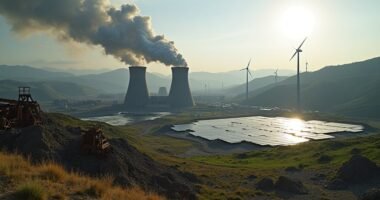

British Columbia is making waves with its exciting new competitive clean power process launching on January 30, 2026. It plans to allocate up to 400 megawatts of sustainable electricity, aiming to balance demand with local benefits. Think of it as a matchmaking program for clean energy projects, promising job creation and environmental integrity. Applicants will need to impress with robust proposals, focusing on long-term economic impacts and community benefits, while ensuring their projects are eco-friendly. Stay tuned for insights on how to craft a standout application!
Quick Overview
- British Columbia’s competitive clean power process opens on January 30, 2026, allocating up to 400 megawatts of clean electricity.
- The initiative aims to balance electricity demand with reliability while fostering local economic and community benefits.
- Emphasizing sustainable growth, the process aligns with B.C.’s Look West strategy for innovation and job creation.
- Applicants must demonstrate long-term economic and environmental benefits while considering community engagement and resource management.
- A transparent selection process encourages innovation while protecting natural resources, supporting the province’s commitment to clean energy initiatives.
Explore B.C.’s New Competitive Clean Power Process
Have you ever wondered how a province can revamp its energy game while keeping the environment and local communities in mind? The plan emphasizes diverse renewable energy options and practical implementation considerations to maximize environmental and economic benefits. British Columbia is doing just that with its new competitive clean power process. Opening its application window on January 30, 2026, the province plans to allocate up to 400 megawatts of clean electricity. This isn’t just a power play; it’s about balancing demand with reliability and ensuring local benefits. With the competitive selection process focusing on price, economic impact, and community advantages, B.C. aims for a transparent approach that invites innovation while safeguarding its natural resources and grid stability. The process prioritizes projects that provide significant benefits for job creation and long-term economic growth.
Key Benefits for AI and Data Centres
In the bustling domain of technology, the spotlight on British Columbia’s new clean power process could shine brighter than a supernova for AI and data centres. This shift also underscores the role of renewable energy in supporting sustainable growth. This initiative not only fuels job creation but aligns with the province’s Look West strategy, positioning B.C. as an innovation leader. By allocating up to 400 megawatts, it meets the rising electricity demand while prioritizing clean energy and environmental benefits. Additionally, it enhances Canadian data sovereignty, ensuring secure data management for future growth. The process is governed by the Energy Statutes Amendment Act, providing a solid legislative framework for these transformative projects. With a transparent competitive process, B.C. offers a clear path for projects that promise economic and environmental advantages, making it a win-win situation. Furthermore, this competitive selection process is designed to ensure that projects provide job benefits and reduce emissions, further solidifying the province’s commitment to sustainable development.
Tips for Crafting a Winning Application
Crafting a winning application for the Standing Offer Program can feel a bit like preparing for a high-stakes cooking competition—one wrong ingredient or missed step, and the dish might flop. Be sure to demonstrate principles of sustainable resource management to show how the project maintains resource availability for future generations. To start, thoroughly review the program rules to guarantee eligibility. A pre-application meeting is essential; it’s like a recipe consultation, covering everything from interconnection requirements to First Nations consultation requirements.
When submitting, don’t forget to include all necessary documents, just like making sure you have every spice on hand. Additionally, consider how your project can contribute to clean energy production in BC, as this is a critical aspect of the program’s goals.
Finally, focus on delivering long-term economic and environmental benefits—after all, the judges love a well-rounded dish!