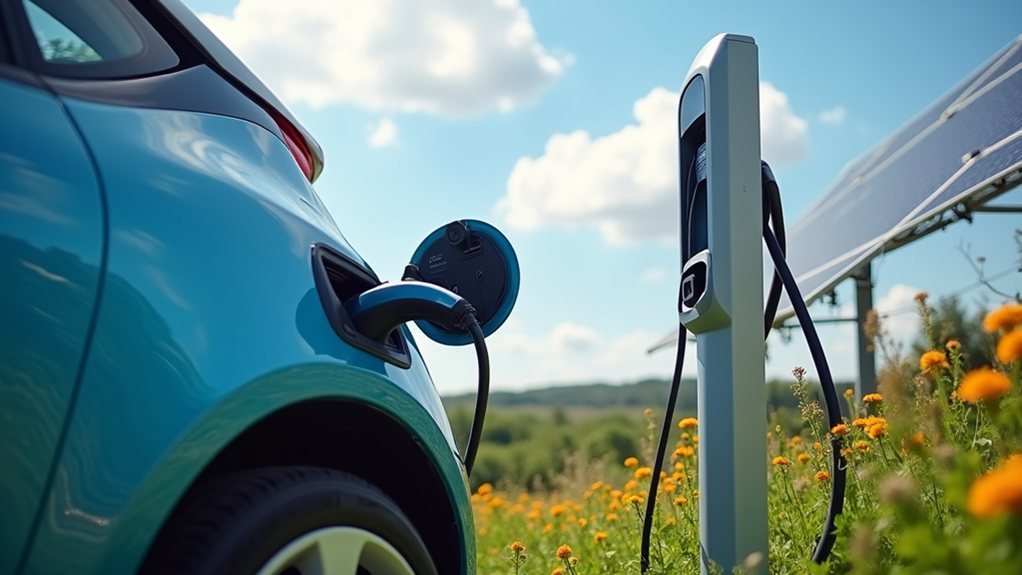

Ottawa is eyeing a revival of electric vehicle (EV) incentives as a potential game-changer in Canada’s automotive strategy. With rising EV costs and a dip in subsidies, it’s like trying to enjoy a picnic in the rain. Reviving incentives could boost sluggish sales and encourage infrastructure improvements, a little like adding a generous dash of hot sauce to a bland meal. Will this stir up the EV market? Hang tight, as the details unfold!
Quick Overview
- Reviving EV incentives could significantly boost sluggish EV sales in Canada, encouraging consumer adoption amid rising costs and decreasing subsidies.
- Quebec’s successful pro-ZEV policies exemplify the positive impact of financial encouragement on electric vehicle market growth.
- The federal government’s pause on the 2026 EV sales mandate highlights the need for adaptive strategies in response to market dynamics.
- Investments in charging infrastructure and accessibility are critical to support the anticipated increase in EV adoption and infrastructure development.
- Addressing economic viability and trade pressures is essential for balancing ambitious EV targets with the realities faced by automakers.
Challenges Facing EV Incentives in Canada
As the electric vehicle (EV) revolution races forward, Canada finds itself steering through a bumpy road filled with potholes that could trip up even the most optimistic drivers. Companies must also assess and integrate climate-related risks into their long-term strategies to remain resilient.
Fiscal constraints loom large, with federal departments slashing program spending and EV rebates costing billions. Meanwhile, policy uncertainty has provinces scrambling to adjust targets, while trade pressures from the U.S. threaten Canadian jobs. The government’s recent decision to pause the 2026 Electric Vehicle Availability Standard (EVAS) has added to the confusion within the industry. Additionally, the Section 232 tariffs on autos are costing the American auto sector $188 billion annually, which underscores the need for Canada’s integrated manufacturing systems to remain viable.
Fiscal challenges and policy shifts are putting Canada’s EV ambitions at risk, threatening jobs and compliance in a turbulent market.
The economic viability of EVs remains shaky, as costs climb and subsidies vanish. Automakers, feeling the heat, resist compliance, leaving the future of incentives hanging by a thread.
It’s a wild ride that needs a GPS overhaul—fast!
Impact of Reviving Incentives on EV Sales and Infrastructure
Reviving incentives for electric vehicles (EVs) could be the jolt that Canada’s sluggish market desperately needs, especially as consumers are increasingly drawn to hybrids for their practicality. With Canada’s EV sales experiencing only a 4% increase and hybrids dominating, a revival could stimulate interest and boost sales, much like a caffeine fix on a dreary Monday. Incentives might also help Canada catch up to global trends, where budget-friendly models are thriving. Quebec’s success with pro-ZEV policies serves as a beacon, showing that a little financial encouragement can go a long way. Ultimately, incentives could transform the EV landscape, making it as vibrant as a summer festival. Additionally, integrating renewable energy into charging infrastructure can reduce lifecycle emissions and operating costs. In fact, as General Motors achieved a market share of 15.5% in 2025, this demonstrates the potential for growth in the EV sector with the right support.
Future of EV Incentives and Their Impact on Canada’s Automotive Strategy
The landscape of electric vehicle (EV) incentives in Canada is at a pivotal juncture, with the potential to reshape the nation’s automotive strategy. Integration of advanced electrical grid can support greater charging capacity and renewable integration.
As the federal government pauses the 2026 EV sales mandate, stakeholders are eyeing the future. The recent growth in zero-emission vehicle (ZEV) sales, now at 11.7%, showcases a promising trend, yet the end of federal incentives could dampen enthusiasm. Federal government has initiated a 60-day review of the regulation for potential target revisions, signaling a willingness to adapt to changing market dynamics. To support this effort, the government is making huge investments to improve accessibility of charging stations and make ZEVs more affordable.
With automakers calling for flexibility and the need for ambitious targets to tackle transportation emissions, a delicate balance must be struck.
Canada’s EV future hinges on strategic adjustments, or it risks being left in the dust of progress.