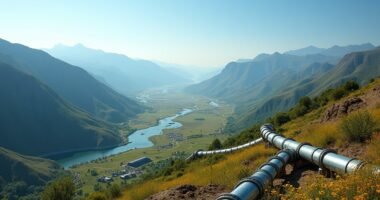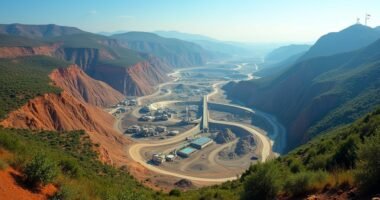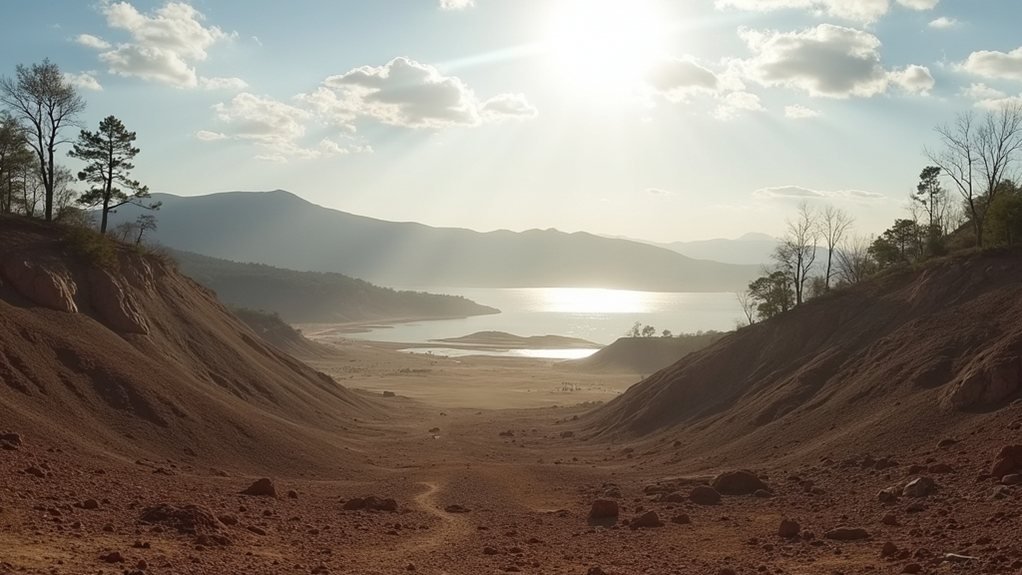

Lithium mining in the U.S. is shaking things up in rural forests, threatening over 150,000 acres of land. This gold rush for cleaner energy can turn lush landscapes into barren wastelands, displacing Indigenous communities and unsettling traditional ways of life. It’s a bit like trading a vibrant neighborhood for a concrete parking lot, complete with water shortages and rising CO2 emissions. Curious how this all ties together? There’s a lot more at play in this electrifying story.
Quick Overview
- Lithium mining in the US is projected to impact around 150,000 acres of rural forests by 2026, particularly affecting Indigenous territories.
- The extraction process utilizes approximately 500,000 liters of water per ton, stressing local aquifers vital for community use.
- Significant tree cover loss occurs in mining areas, leading to habitat disruption and ecological instability.
- Traditional ways of life for local communities face threats due to inadequate consultations and concerns over sacred sites.
- Sustainable forestry practices are essential to mitigate the environmental impact of lithium mining while preserving biodiversity.
How Lithium Mining Affects Rural Forests and Communities
While one might think that lithium mining is merely a technical endeavor in the quest for cleaner energy, it actually carries significant implications for rural forests and the communities that rely on them.
The mining process has ravaged approximately 260,000 hectares of land, with a hefty share occurring on Indigenous territories, where tree cover loss is more pronounced.
Lithium extraction doesn’t just strip away flora; it disrupts traditional ways of life, pushing people from their homes.
Imagine losing your backyard to a giant pit—yikes! Mining uproots livelihoods and transforms sacred lands into barren landscapes, raising concerns of environmental and cultural erasure.
Implementing sustainable forest management practices in areas adjacent to mining operations could help preserve biodiversity and maintain essential resources for affected communities.
Environmental Risks of Lithium Mining
As the demand for cleaner energy sources rises, the environmental risks of lithium mining become increasingly apparent, presenting a curious paradox: the very solution intended to combat climate change may inadvertently inflict its own brand of ecological havoc.
Extracting lithium is a thirsty endeavor, guzzling around 500,000 liters of water per ton, an appetite that strains local aquifers.
Each ton mined belches out up to 18 tons of CO2, a carbon cardio workout no one asked for.
Toxic chemicals seep into the soil, killing ecosystems, while habitat disruption leaves nature reeling as mining operations trample through previously untouched landscapes, leaving a messy wake.
The mining waste and chemical runoff share similarities with plastic pollution’s environmental impact, as both introduce persistent contaminants that accumulate in ecosystems and resist natural degradation processes.
How Do Community and Tribal Concerns Impact Lithium Extraction?
How might community and tribal concerns shape the landscape of lithium extraction? These voices are essential, as they often highlight deep-rooted issues regarding land rights and cultural heritage.
For instance, the Thacker Pass mine faced backlash from multiple Tribal governments due to inadequate consultations and threats to sacred sites. The legal battles reflect a broader struggle over water rights and health impacts.
While some tribes see job potential, the fear of losing an ancestral connection weighs heavily.
Ultimately, these concerns can slow projects or lead to significant reforms—all while reminding industries that respect for Indigenous rights is non-negotiable. Incorporating traditional ecological knowledge into environmental assessments could provide valuable insights into sustainable resource management practices that align with Indigenous stewardship traditions.