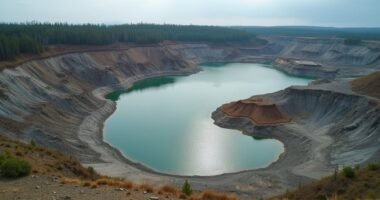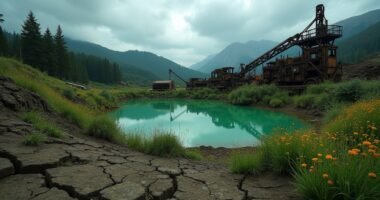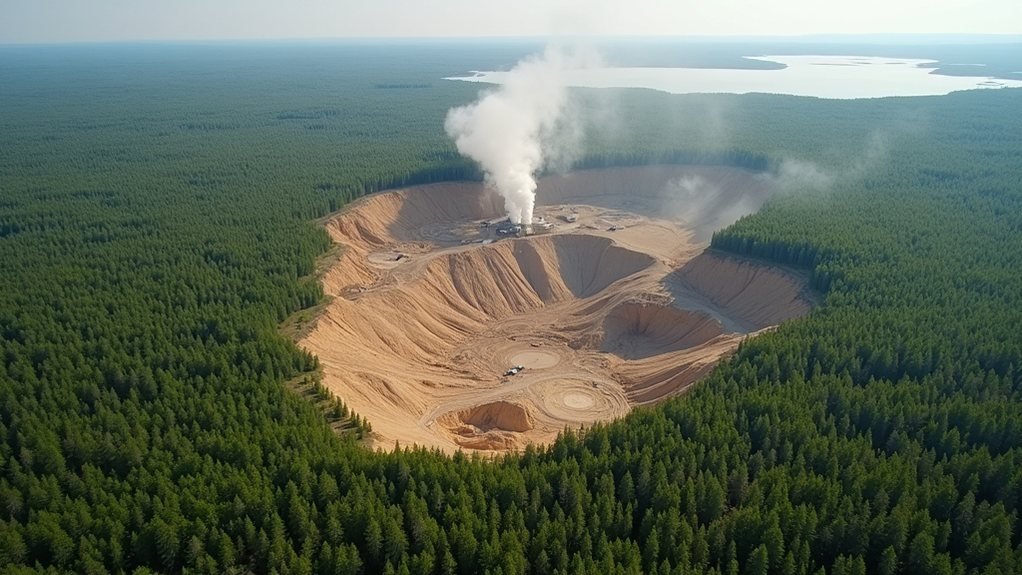

In a plot twist fit for a novel, former President Trump is charging forward to undo Minnesota’s mineral withdrawal, echoing a nationwide treasure hunt for copper and nickel. This isn’t just digging for rocks, folks; it’s about securing metals essential for things like your smartphone and electric car. But imagine it: a tug-of-war pitting lush ecosystems against gleaming economic prospects. Stay tuned as this saga unfolds—with enough drama to rival a Hollywood blockbuster!
Quick Overview
- Trump administration seeks to overturn Minnesota’s mining ban to exploit copper and nickel resources.
- The move aims to address the national supply gap in critical minerals.
- The plan highlights economic benefits but raises significant environmental concern.
- Political debates emphasize the dichotomy between economic growth and environmental protection.
- The decision polarizes stakeholders, underscoring divisions in U.S. resource management strategies.
Legislative Background and Political Context
Politics, that ever-debatable arena where policies are thrown around like confetti at a party, has once again taken center stage in Minnesota’s tug-of-war over its precious minerals. At the heart of this fray is the 2023 mineral withdrawal, protecting 225,378 acres, courtesy of an environmentally conscientious move by the Biden administration. However, fast-forwarding to 2026, ingenuity met politics as Rep. Pete Stauber brandished the Congressional Review Act like a procedural magic wand. With a swift stroke, he sought to undo what seemed a solid shield for Boundary Waters. Some critics argue that the Senate vote predominantly along party lines highlights deep-seated political divisions. This politically charged move has exposed the area to potential environmental degradation from the proposed mining operations, raising significant concerns among conservationists. Underlying these concerns is the belief that environmental ethical frameworks compel society to weigh the long-term moral obligations to ecosystems against short-term economic interests. Talk about a legislative plot twist worthy of a Hollywood drama!
Twin Metals Project: Economic Opportunities and Challenges
Nestled in the Northwoods of Minnesota like a secret treasure chest awaiting discovery, the Twin Metals Project teeters on the fine edge between promise and peril. This underground venture promises a jackpot of 750 full-time mining positions, alongside 1,500 spinoff roles in sectors from retail to health care. It’s like a job bonanza for an area easing out of its iron ore heyday. Constructing the mine resembles a colossal Lego project, rivaling the U.S. Bank Stadium in effort. Funded privately, it’s a lifeline for union workers needing well-paying jobs. Yet this treasure isn’t without its challenges—characterized by whispers of uncertainty. A critical part of this venture is the commitment to sustainable mining practices, as emphasized by over a decade of hydrogeological and environmental studies. The project is currently in the design phase, with ongoing evaluations and assessments to ensure optimal outcomes. Central to these evaluations is the careful management of excavated materials, with plans to minimize environmental impact through responsible mining waste management strategies that protect the surrounding watershed and ecosystems.
Balancing Economic Gains and Environmental Concerns
Walking the tightrope between economic prosperity and environmental stewardship is no easy feat, especially when it involves turning Minnesota’s lush, serene landscapes into bustling mining sites. Releasing copper-nickel mining on 225,000 acres of forest land sounds like a plot twist in nature’s drama, but it counters the looming domestic nickel supply gap as U.S. mining winds down. Copper, cobalt, and nickel aren’t merely geologists’ best friends; they’re also crucial to the nation’s security playbook. With Congressional approval anticipated within 60 days, the legislative push aims to favor Antofagasta’s Twin Metals project, highlighting the strategic importance of domestic mineral production. Critics argue mining spells pollution woes, sparking a tug-of-war between safeguarding the ruggedly charming Boundary Waters and meeting global mineral demands. Congressional legislation has cleared both chambers, highlighting the effort to bolster job opportunities and economic benefits in this complex scenario. Notably, these minerals are also essential components in clean energy technologies, as copper and nickel play a central role in reducing carbon emissions through their use in electric vehicles and renewable energy infrastructure. It’s about sustainable decisions, not political plays.