
U.S. communities often find themselves in a minefield—pun intended—when it comes to mine siting challenges. Quick permitting can fly by like a cheetah on roller skates, bypassing important environmental checks. Meanwhile, genuine community engagement often takes a backseat, leaving locals in the dark about potential impacts. This can spark social conflicts, especially for tribal nations whose voices might get drowned out. There’s plenty more to unpack about this intricate dance between progress and preservation.
Quick Overview
- Communities often face lengthy permit timelines, averaging 7 to 10 years, leading to stalled projects and economic instability.
- Quick permitting processes can overlook vital environmental assessments, risking air quality and aesthetic values in affected areas.
- Ineffective community engagement strategies hinder residents’ ability to voice concerns, leading to opposition and increased tensions.
- Tribal Nations face challenges in negotiating due to fragmented land ownership and inadequate consultation, complicating their involvement in mining projects.
- Environmental justice issues disproportionately affect Indigenous populations, exacerbating inequities in resource management and representation during mining siting.
Impact of Quick Permitting on Communities
While communities might dream of swift approvals and shiny new mines bringing in jobs like a fairy godmother waving a magic wand, the reality is often a bit more complicated. Accelerated permitting can overlook essential environmental impacts, risking not just the beauty of the land but the very air people breathe. Imagine expecting a delicious meal but receiving half-cooked ingredients instead. Furthermore, when projects stall, rural economies suffer, losing billions in potential investments and tax revenue. Quick approvals without proper community dialogue can transform hopeful prospects into shaky foundations, leaving behind economic instability rather than the promised prosperity. Proper evaluation of lifecycle impacts provides a more comprehensive picture of a mining project’s true environmental footprint from extraction through disposal. This is especially concerning as B.C. has 17 critical mineral projects that are essential for clean energy technologies. Moreover, the average timeline for mining permits in the US is a staggering 7 to 10 years, illustrating the difficulties faced by both communities and industry alike.
Effective Community Engagement Strategies in Mining Projects
Effective community engagement strategies in mining projects are like the secret sauce that can turn a potentially bitter experience into a palatable one.
Smaller focus groups engage residents more effectively than large gatherings, allowing for genuine conversations. One-on-one interviews capture intricate concerns, while active community participation in monitoring fosters transparency. Engaging approximately 2,000 community members in fieldwork alongside specialists can further enhance these efforts.
Smaller focus groups and one-on-one interviews foster genuine dialogue and transparency, enhancing community engagement in mining projects.
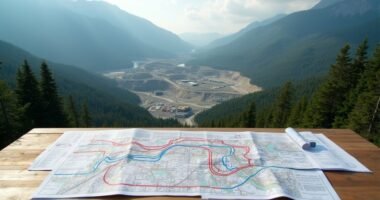
Visual tools, like 3D models, make complex projects comprehensible, transforming dry data into vivid experiences. By addressing community fears and including locals in decision-making, mining companies can create partnerships that minimize conflict and boost cooperation. Additionally, strong community ties can reduce risks of social conflicts and protests, further solidifying these partnerships.
Implementing supply chain transparency can help mining companies identify and address potential environmental impacts before they become community concerns.
In the end, a little trust goes a long way, turning obstacles into opportunities.
Tribal Nations and Community Engagement in Mining Projects
When it comes to mining projects, the involvement of Tribal Nations can be a game changer, although the road to meaningful engagement is often riddled with potholes. Despite the Indian Mineral Development Act aiming to empower tribes, federal regulations often leave them in the dust. For instance, the Bureau of Land Management’s haphazard communication falls short of genuine consultation. Limited contact with Tribal governments, consisting of only three rounds of mailings, underscores the inadequacy of the engagement process. Additionally, many tribes struggle with fractionation of land ownership, which complicates their ability to negotiate effectively. It’s like inviting someone to a party but forgetting to tell them where it is. This inequitable distribution of environmental burdens represents a clear case of environmental injustice affecting Indigenous populations. While tribal sovereignty is essential, outdated laws still tether their resource management. Ultimately, the quest for fair engagement remains a challenging journey for many Indigenous communities.