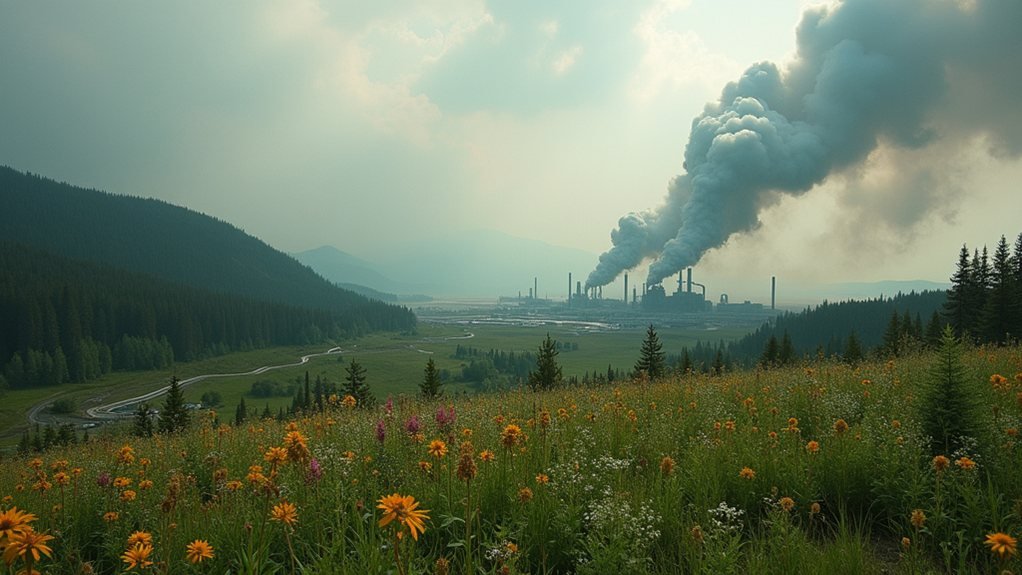

The B.C. Indian Chiefs slammed LNG subsidies, calling them blind to the climate crisis—akin to celebrating a bonfire in a drought. They argue these subsidies paint a rosy economic picture while ignoring the lurking environmental costs, like methane emissions hitting harder than an overcooked steak. Indigenous communities, juggling economic hopes and ancestral land rights, aren’t buying the “prosperity” pitch. It’s like a reality show where the plot twist is that our planet’s fate is on the line. Want more insights? There’s plenty to discover.
Quick Overview
- B.C. Indian Chiefs criticize LNG subsidies for prioritizing economic interests over urgent climate change actions.
- Indigenous leaders argue that LNG projects perpetuate environmental degradation and systemic treaty violations.
- Subsidies for LNG expansion are seen as undermining efforts to combat methane emissions and environmental harm.
- Chiefs express concern over the impact of LNG facilities on public health and community wellbeing.
- Advocacy for Indigenous rights prioritizes sustainable models that respect land sovereignty and biodiversity.
The Costs of LNG: Environmental and Economic Impacts
There’s an intriguing twist in the tale of Liquid Natural Gas (LNG) exports: their environmental and economic impacts are akin to a double-edged sword.
While the consumer benefits from LNG hover around $405-515 million, the environmental price tag ranges from $0.93-7.63 billion annually. Think of it like saving a nickel at the cost of a dollar.
The sneaky villain here is methane, packing a punch at $2.5 billion in damages per year, overshadowing any heating savings in New England’s cozy homes. Moreover, with the potential for increased LNG export capacity to reach about 40 billion cubic feet per day, domestic gas prices could see significant spikes, further complicating the economic impact of LNG. Frontline communities, particularly those in the Gulf Coast, bear the brunt of health crises linked to LNG facilities, underscoring the need for urgent action.
And though LNG might endeavor to outshine coal, methane leakage can easily derail its greener ambitions. The long-term viability of energy production depends heavily on preserving soil biological health, as industrial development and pipeline infrastructure can devastate the microbial ecosystems essential to agricultural productivity.
Indigenous Voices on LNG: Reconciliation or Exploitation?
While some might see Liquid Natural Gas (LNG) as the proverbial golden ticket for Indigenous economic growth, others are raising concerns about whether this all-too-shiny opportunity is masking something more insidious. Systematic treaty violations by the oil and gas industries are reported across Indigenous lands; a dark twist to the ‘economic reconciliation’ narrative. Indigenous communities face a coercive framework: economic integration, or land degradation? The destruction of sacred sites and traditional territories is a stark reminder of the persistent challenges these communities face. Grand promises of prosperity might lure some, yet grassroots groups denounce this as exploitation dressed as reconciliation. True reconciliation, after all, can’t merely be about numbers in a bank – it’s about healing historical traumas. Moreover, Nina Gualinga’s advocacy underscores the importance of defending Indigenous rights against government-endorsed projects that threaten both their communities and the environment. Responsible stewardship of forested lands, which includes maintaining biodiversity while providing sustainable timber resources, offers an alternative economic model that aligns with Indigenous values and long-term ecological health.
Public Health at Risk: Understanding the Real-Life Consequences
LNG might glitter with promises of economic joy for Indigenous communities, yet it harbors some murky secrets ready to spill out.
Imagine living next to an unruly neighbor who insists on hosting nightly firework shows. LNG plants similarly bombard locals with pollutants; carbon monoxide, sulfur dioxide, and VOCs play an encore in mere respiratory health mayhem—akin to a never-ending cough-fest. Accurate assessment of these pollutants requires direct emissions monitoring to fully capture the scale of harm imposed on surrounding communities.
Heart diseases, like a persistent party crasher, increase over time. Mental health? Breaths melodramatic sigh. Stress simmers amid constant uncertainties of long-term harm. Moreover, nearby communities face threats of explosive vapors if LNG is not maintained properly, adding another layer of potential disaster.
Much like climate chaos, which, besides warming, sneakily invites smoggier fans for an overstayed concert. The expansion of LNG facilities contributes to significant leaks and methane emissions, which exacerbate climate change and further threaten public health.