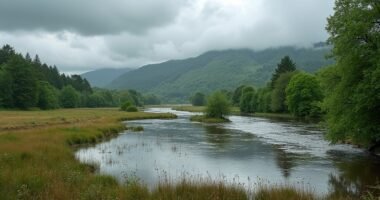
Peatlands, often overlooked as mere muddy patches, are actually nature’s unsung heroes, quietly storing a staggering 600 gigatons of carbon—enough to put even the most ambitious climate goals to shame. Covering just 3% of the Earth’s land, these remarkable ecosystems not only hoard carbon but also house 10% of the world’s unfrozen freshwater. Talk about a hidden treasure! They regulate floods, filter water, and serve as biodiversity hotspots, boasting unique species like the Large Heath butterfly and Sphagnum moss, which is basically the superhero of plant life. Additionally, peatlands support a variety of unique species that contribute to ecosystem health and resilience.
However, this natural wonder is under siege. Human activities—think agriculture, forestry, and peat extraction—are draining these crucial areas, releasing approximately 2.5 billion tons of greenhouse gases each year. That’s like setting off a climate change firework show that nobody wants to attend. Climate change exacerbates the problem, drying out peatlands and increasing carbon release. Only 17% of global peatlands are protected, leaving the majority vulnerable to further encroachment and habitat destruction.
Peatlands face grave threats from human activities, releasing billions of tons of greenhouse gases and leaving most unprotected.
The good news? There are strategies to reverse this trend. Rewetting techniques, such as constructing peat dams, can restore water balance and boost peat formation. Reintroducing plants like Sphagnum moss can help recover lost carbon stocks, while effective hydrological management fosters both biodiversity and carbon retention. It’s like giving nature a much-needed spa day! Achieving the 95% conservation target for UK peatlands by 2040 can significantly enhance these efforts. These restoration approaches align with water conservation techniques that are critical for addressing broader water scarcity issues around the globe.
Policies that prioritize peatland restoration could align with global climate goals, turning the tide against degradation. International cooperation and respect for Indigenous land rights are essential for long-term success. Sustainable peatland management not only preserves these ecosystems but can also support livelihoods through ecotourism.
While the challenges are intimidating, preventing peatland destruction is a bold and necessary move—one that promises to safeguard wildlife and combat climate change, all while ensuring that these muddy heroes get the recognition they truly deserve.