Microsoft has struck a groundbreaking multi-year deal to acquire up to 700,000 nature-based carbon credits by 2035. This initiative supports their ambitious goal of becoming carbon negative by 2030. The carbon credits will come from forestry projects on Washington State’s Olympic Peninsula, focusing on better forest management while balancing timber production with wildlife conservation. Imagine trees getting rewarded for their carbon-storing prowess! This move sets a bold precedent for the future of sustainable forestry and corporate climate action. Curious about more details?
Microsoft’s Bold Carbon Credit Initiative
In a bold move that echoes through the forested halls of corporate sustainability, Microsoft has just inked a multi-year deal that could see them acquire up to 700,000 nature-based carbon credits by 2035.
This landmark agreement, rooted in the lush landscapes of Washington State’s Olympic Peninsula, is not just a feather in Microsoft’s cap but a significant stride towards the company’s ambitious goal of becoming carbon negative by 2030.
The credits, which will flow from EFM-managed forestry projects covering an impressive 68,000 acres, represent a commitment to improved forest management and carbon removal.
Think of it as hiring a personal trainer for the forest—helping it get fit and fight climate change.
These nature-based credits are like gold stars for trees, rewarding them for their hard work in storing carbon and enhancing biodiversity.
The Olympic Rainforest project, the heart of this agreement, is not just about numbers; it aims to deliver ecosystem benefits alongside carbon credits. This long-term offtake deal ensures that the investment in carbon elements is de-risked, allowing for sustained environmental impact.
It’s a win-win—like getting a delicious slice of cake while also eating your vegetables.
By embracing climate-smart management practices, this initiative supports both the environment and the communities that rely on these essential ecosystems, reflecting the 68,000-acre project that is part of Microsoft’s commitment to sustainability.
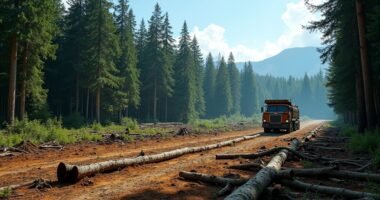
The project implements sustainable forest management techniques that balance timber production with conservation of crucial wildlife habitats.
Microsoft’s strategic investment, part of its Climate Innovation Fund, is a trailblazer in the corporate world.
It showcases how businesses can play a pivotal role in stabilizing and growing the voluntary carbon market for forestry credits.
As the demand for reliable, nature-based offsets rises, this deal sets a precedent for high-quality projects that prioritize sustainability.
In essence, Microsoft is not just making a deal; it’s planting seeds for future climate action.
As they work towards offsetting all historical emissions by 2050, this initiative illustrates the potential of scalable, nature-based solutions in the U.S.
The company is proving that corporate responsibility can indeed be a powerful force for change, one carbon credit at a time.