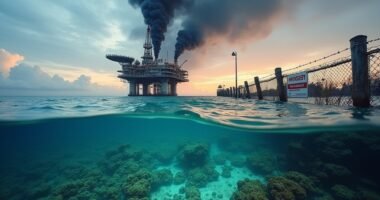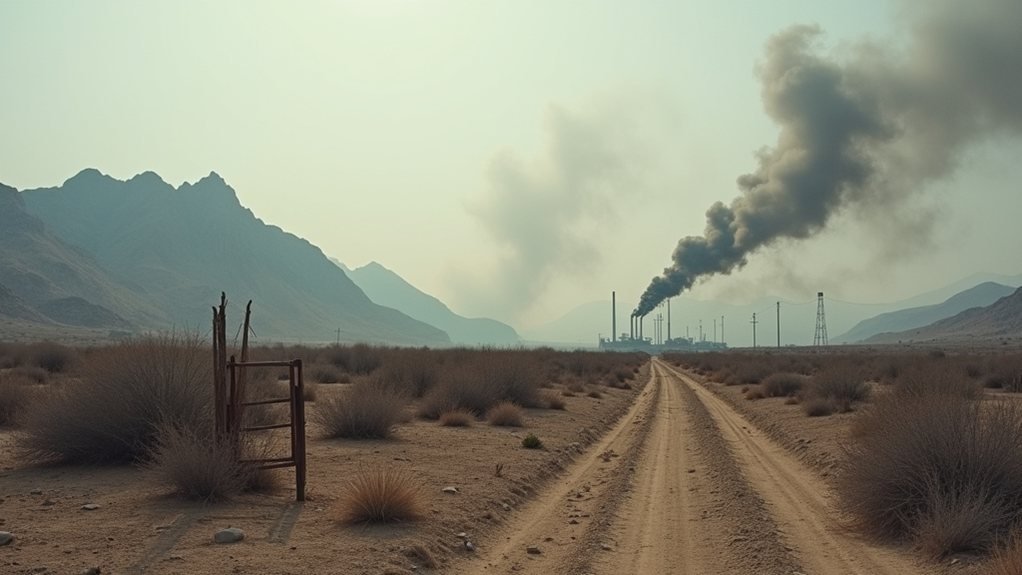

The Hell’s Kitchen Lithium Project is making things worse for communities already battling high asthma rates due to Salton Sea dust. Imagine trying to breathe while dust storms whip up toxic particles—it’s a real struggle. The project’s emissions and construction activities only add to the pollution pile. Amidst this chaos, locals are pushing for better air quality monitoring and accountability from lithium developers. Curious about how communities are fighting back? There’s more to this story!
Quick Overview
- The Hell’s Kitchen Lithium Project exacerbates existing high asthma rates in Imperial Valley, which are nearly double the national average.
- Dust storms from the project carry toxic particles, worsening respiratory health among vulnerable populations, particularly children.
- Emissions from lithium extraction, including harmful gases like hydrogen sulfide, further compromise air quality and increase health risks.
- Community advocacy focuses on the urgent need for independent air and water quality monitoring to protect public health.
- Inadequate environmental safeguards in lithium extraction threaten local health and tribal lands, heightening community concerns about pollution.
The Connection Between Salton Sea Dust and Asthma Rates
While it may seem surprising, the dust swirling around the Salton Sea has become an unexpected player in the health drama unfolding in nearby communities, particularly among children. Asthma rates here are a staggering 20-22.4%, nearly double the national average. The air carries a toxic mix of arsenic and bacterial endotoxins, which trigger inflammation instead of traditional allergens. Each dust storm adds to the respiratory woes, with kids living close to the lake facing increased wheezing and bronchitic symptoms. High levels of dust from the Salton Sea contain contaminants that further exacerbate these health issues. A recent study found that higher dust exposure is linked to lower lung function in children, highlighting the severity of this environmental crisis. Examining the raw material extraction process reveals how environmental impacts begin well before products reach consumers. It’s a harsh reminder that environmental factors can turn a simple gust of wind into a serious health crisis for vulnerable populations.
The Impact of Hell’s Kitchen Lithium Project on Asthma Rates
The Hell’s Kitchen Lithium Project is shaking things up in the Imperial Valley, and not in a good way for asthma sufferers.
With asthma rates already soaring—more than double the national average—this project adds fuel to the fire. Dust storms from the receding Salton Sea swirl toxic particles, while emissions from lithium extraction release harmful gases like hydrogen sulfide and arsenic. As if that’s not enough, diesel trucks and construction activities exacerbate respiratory issues. It’s like adding hot sauce to a dish that’s already too spicy! The project is positioned to create jobs, but it risks further deteriorating air quality, impacting local residents’ health in the process. Additionally, the court ruling validated CTR’s Environmental Impact Report, which raises concerns about the adequacy of water assessments and dust control measures in light of the community’s health challenges.
The project not only threatens air quality but also amplifies the existing health crisis in the community.
Community Advocacy Against Health Risks From Lithium Extraction
As communities rally together, their voices echo with urgency against the health risks posed by lithium extraction in the Imperial Valley. They demand independent monitoring to safeguard water quality, which is as precious as gold in this parched region. Air quality? It’s a ticking time bomb, with pollution levels that even a superhero couldn’t tackle. Residents are pushing for implementation of monitoring equipment that can accurately measure air pollutants linked to extraction activities. Local tribes, feeling unheard, are pushing for meaningful consultation regarding sacred lands. Advocacy groups highlight hazardous waste concerns like lead and arsenic lurking behind the scenes. Together, these communities are not just raising alarms; they’re crafting a thorough framework for accountability, ensuring their health isn’t sacrificed for lithium. As part of this accountability framework, they emphasize the need for comprehensive water management strategies to protect local resources. It is imperative that lithium developers adhere to strong safeguards to protect tribal lands and local environments.