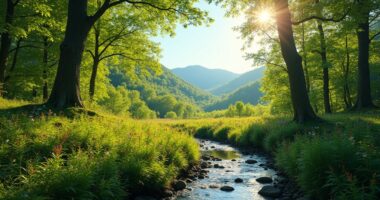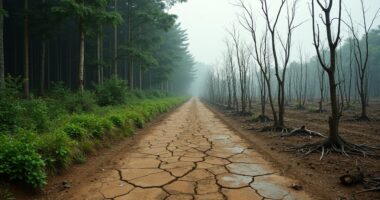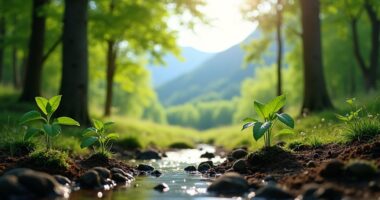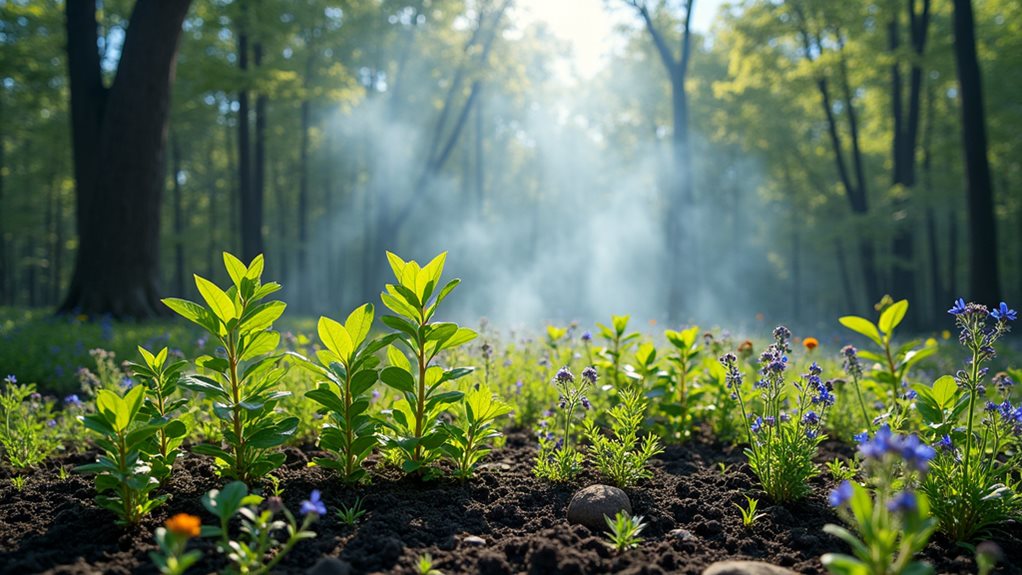

Forest regeneration is like nature’s superhero, swooping in to revive habitats after disturbances like wildfires or logging. It doesn’t just replant trees – it restores the whole ecosystem! Imagine it as a cosmic reset button that delivers clean air, diverse wildlife homes, and even helps tackle climate change. With the right balance of natural and artificial regeneration, we can achieve healthier woodlands. Curious about the clever strategies and challenges involved? There’s much more to explore!
The Vital Role of Forest Regeneration
In the grand tapestry of nature, forest regeneration stands out as an essential thread, weaving together the past and future of our woodlands.
It’s like a phoenix rising from the ashes, transforming disturbances—be it a wildfire, disease, or even a lumberjack’s chainsaw—into a fresh start for trees and wildlife alike.
This renewal isn’t just a nice-to-have; it’s essential for maintaining the balance of our ecosystems, providing services like clean air, diverse habitats, and the all-important carbon sequestration that helps combat climate change.
Forest renewal is crucial, offering clean air, rich habitats, and vital carbon sequestration to combat climate change.
Forest regeneration can be achieved through natural or artificial means.
Natural regeneration is akin to letting nature take its course—seeds fall, sprout, and voila! A new generation of trees emerges.
It’s like watching a magic show where the magician is Mother Nature herself.
On the flip side, artificial regeneration involves a bit more human intervention, where we decide which tree species get to join the party.
Think of it as curating a playlist for a forest rave: you want the right mix to keep the ecosystem grooving.
The ecological benefits are nothing short of astounding.
Forests recovering from disturbances provide essential habitats for an array of wildlife, not to mention they’re pretty good at stabilizing soil and cycling nutrients.
They even help regulate the carbon and water cycles, which are essential for keeping our planet cool—literally.
Plus, young forests are like the overachievers of the plant world, rapidly sequestering carbon in their early growth stages. Increased deer management programs enhance regeneration capacity, ensuring a more diverse and resilient forest. Assessing advanced regeneration is crucial for making informed harvest decisions and ensuring future forest growth.
However, challenges abound.
Invasive species can crash the party, while climate change throws a wrench into the timing of regeneration.
It’s a delicate dance, requiring careful management practices—think of it as training for a marathon, where monitoring and adaptation are key to success.
Sustainable forest management practices balance the need for timber production with biodiversity conservation to ensure long-term ecosystem health.
Ultimately, embracing forest regeneration is not just a noble endeavor; it’s a necessity for the health of our planet and all its inhabitants.