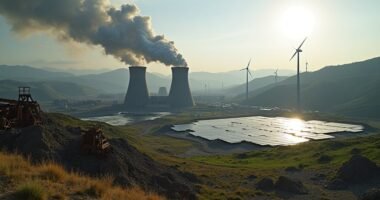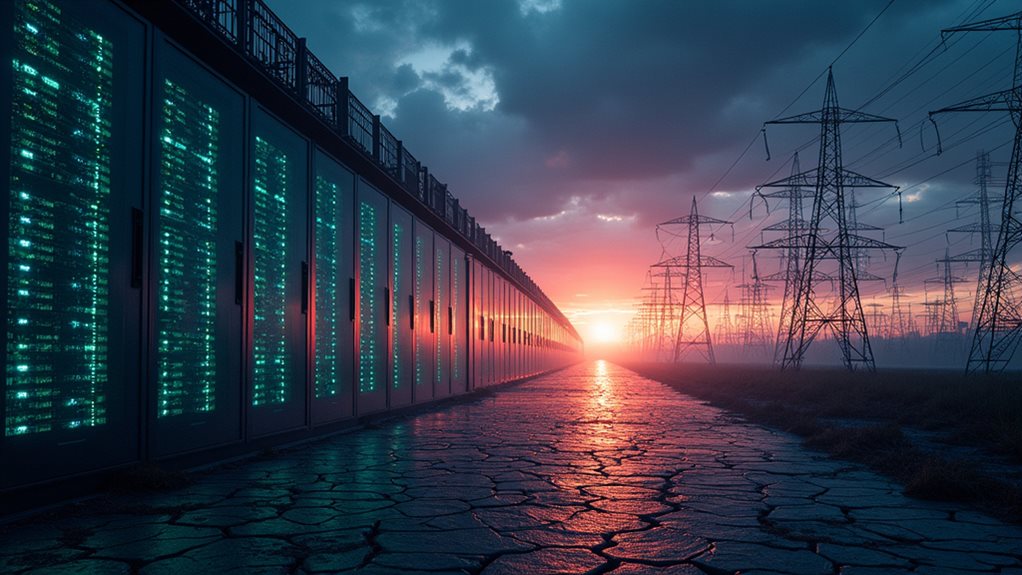
The AI boom isn’t just about smarter algorithms; it’s about hungry data centers demanding more energy. By 2030, these centers could double their electricity use, swallowing nearly 9% of the U.S. supply. This surge could push our aging power grids to the brink, leading to higher bills and potential blackouts. Think of it as your favorite diner adding a dozen new dishes—delicious but a recipe for chaos if the kitchen can’t keep up. Curious to see what’s cooking next?
Power Grids Strained by AI Data Center Demand
As the world hurtles toward an AI-driven future, one might wonder what happens to the power grids that keep our digital lives buzzing. With data centers becoming the gluttons of energy consumption, the situation is more pressing than ever. By 2030, these tech behemoths could consume a staggering 9% of the U.S. electricity supply. Think of them as the teenagers who snack on everything in the fridge, leaving nothing for the rest of the household.
The reality is that AI workloads demand considerably more energy than traditional IT operations. As this trend continues, global consumption in data centers is expected to grow at a jaw-dropping 19.5% annually from 2023 to 2028. Regions like Northern Virginia and Silicon Valley are at the forefront, with Virginia’s data centers predicted to soak up 50% of the state’s electricity load by 2030. It’s like a power-hungry monster that just keeps growing! In fact, over 75% of areas with severe power distortions are located within 50 miles of these data centers.
AI workloads are energy gluttons, with data center consumption set to surge 19.5% annually, threatening electricity supplies everywhere.
But here’s the kicker: the aging U.S. power grid is struggling to keep pace. It’s like trying to fit a big screen TV into a tiny old car—something’s got to give. Aging infrastructure, combined with delays in renewable energy adoption, means that traditional energy sources like natural gas are still in the mix. Utilities are even hitting the brakes on new facility connections, waiting to assess if the existing power grid can handle the load. Moreover, the projected annual electricity need of AI-driven data centers could reach 400 terawatt hours (TWh) by 2030, underscoring the urgency of the situation.
As demand skyrockets, electricity is becoming the largest operating cost for data centers, accounting for over 60% of their expenses. Higher prices aren’t just a corporate concern; they could lead to spikes in utility bills for everyday consumers. Companies must now include climate risk assessment in their strategic planning to mitigate potential disruptions to operations from power shortages and grid instability.
And let’s not forget the environmental implications—rising carbon emissions from these data centers could derail climate goals faster than you can say “global warming.”
In a world increasingly reliant on AI, the race to upgrade power grids is on. The stakes are high, and the clock is ticking.