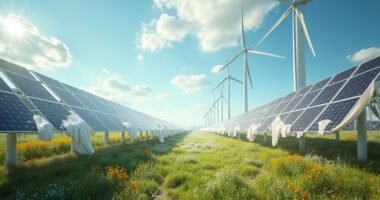

Canada has recently invested $500,000 in groundbreaking thermal energy networks, which are like community heaters and coolers piping warmth and chill from renewable sources. Picture using lakes and old wastewater to power a neighborhood’s temperature needs—it sounds quirky, but it’s smart! This initiative could cut energy bills by up to 60% while helping Alberta reduce fossil fuel reliance. As thermal networks evolve, Alberta’s energy landscape could shift dramatically, making clean energy more appealing and accessible. Curious about the ripple effects?
Quick Overview
- Canada has invested $500,000 in innovative thermal energy networks to enhance local clean heat sources and reduce costs.
- Thermal energy networks utilize renewable resources, providing efficient heating in winter and cooling in summer for communities.
- The investment is part of a larger $3 million initiative supporting the Shift Accelerator in Alberta, promoting sustainable energy solutions.
- These networks can lead to up to 60% savings on electricity bills and decreased reliance on fossil fuels.
- Addressing financial barriers and regulations is crucial for the future success and scalability of thermal energy networks in Alberta.
What Are Thermal Energy Networks and Why Do They Matter?
While many people might think of energy systems as something complex and far removed from everyday life, thermal energy networks are like the friendly neighborhood superhero of heat and cooling solutions.
These shared, water-filled pipe systems work their magic by harnessing renewable sources like lakes and even wastewater, delivering warmth in winter and whisking away excess heat in summer. Many communities pair these networks with solar and wind to further increase renewable energy use and resilience.
Think of them as a community’s cozy blanket, providing comfort while slashing electricity bills by up to 60%. Additionally, they significantly reduce reliance on fossil fuels for building comfort year-round. Furthermore, these systems utilize centralized production to achieve significant energy use and cost reductions, making them an attractive option for communities.
Imagine a warm embrace for your community, cutting energy costs by up to 60% while keeping everyone cozy and comfortable.
With a lifespan of 50 years, these networks not only boost energy efficiency but also help neighborhoods kick fossil fuels to the curb, making the planet happier.
Canada’s $500K Investment: Driving Energy Innovation Forward
In a bold move that could reshape the energy landscape, Canada has revealed a $500,000 investment into innovative thermal energy networks, a funding boost that feels like a fresh breeze on a sweltering summer day.
This allocation, part of a larger $3 million initiative, supports the Shift Accelerator in Alberta, which is set to revolutionize how buildings share heating and cooling. Funding comes from the Energy Innovation Program’s Smart Grids Regulatory Innovation Capacity Building Call for Proposals. By tapping into local clean heat sources, this project aims to lower consumer costs and enhance grid reliability. This investment is part of Canada’s broader effort to strengthen its position as an energy superpower.
The project also emphasizes district heating approaches to maximize efficiency and reduce emissions.
Future Implications of TENs for Alberta’s Energy Landscape
As Alberta looks toward a more sustainable energy future, thermal energy networks (TENs) are poised to play a pivotal role, much like a trusty sidekick in a superhero movie—always there, quietly making the main event possible.
With ambitious projects like Edmonton’s Blatchford Renewable Energy leading the charge, TENs promise scalability and growth. Research findings will support informed decision-making as stakeholders navigate the evolving landscape of energy options. Moreover, these networks have the potential to utilize renewable energy sources effectively, enhancing their appeal.
However, financial barriers and existing regulations often resemble that annoying villain trying to thwart progress. Recent international agreements like COP29 commitments are increasing pressure on jurisdictions to accelerate clean energy deployment.
Financial barriers and regulations act like a pesky villain, hindering the progress of sustainable energy innovations.
By embracing innovative policies and harnessing geothermal potential, Alberta can become a leader in emissions reduction, transforming its energy landscape while ensuring the planet is healthier for future generations.
The future looks bright!