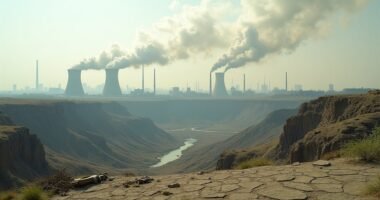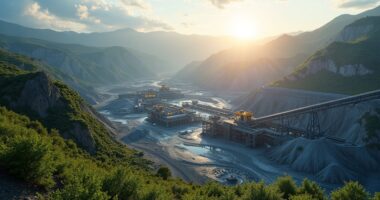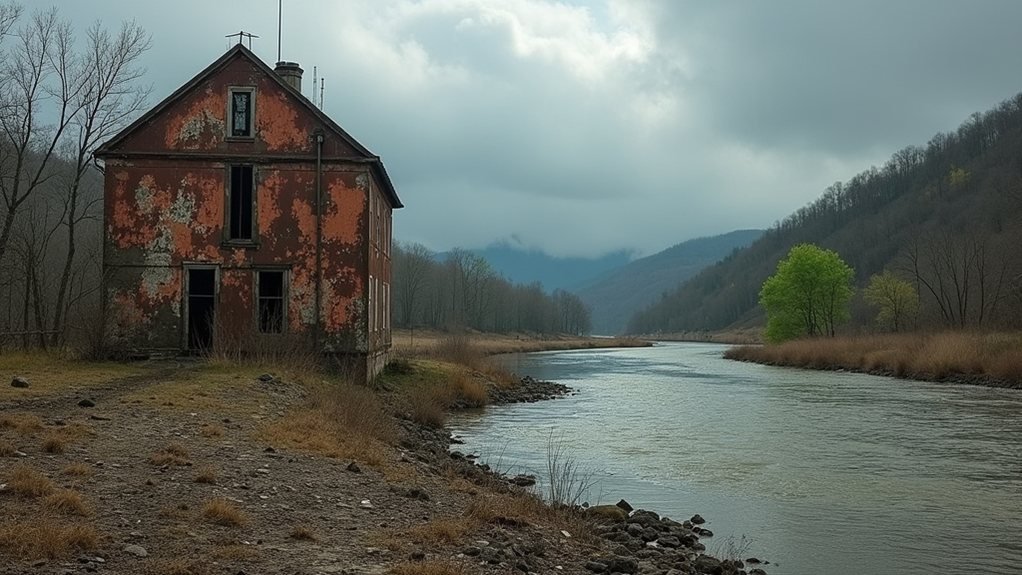

The BC coal mining industry just took a hefty $3.6 million hit because of 171 environmental breaches tied to toxic water pollution. Elk Valley Resources failed to build necessary water treatment facilities, and the fallout damaged local ecosystems, putting drinking water at risk. High selenium levels jeopardized aquatic life and even climbed the food chain. As stakeholders seek accountability, it’s time to explore the future steps for a more responsible approach to mining.
Quick Overview
- BC coal mining industry fined $3.6 million for failing to construct mandated water treatment facilities as ordered in 2013.
- Violations involved 171 breaches of toxic contaminant limits, significantly impacting Elk Valley water quality between 2018 and 2023.
- Elevated selenium levels reached 100 micrograms per liter, harming aquatic ecosystems and threatening local biodiversity.
- Communities, including Sparwood, face drinking water contamination exceeding safe standards due to these environmental violations.
- Stakeholders emphasize the need for stronger partnerships and compliance to ensure sustainable mining practices and protect community health.
Factors Leading to the $3.6 Million Penalty
In the complex domain of environmental management, the term “consequences” takes on a whole new meaning, especially for the BC coal mining industry facing a hefty $3.6 million penalty.
The penalty stemmed from a failure to meet deadlines for constructing vital water treatment facilities outlined in a 2013 ministerial order. This order aimed to manage the Elk Valley’s water quality, yet the mining operations fell short between 2018 and 2023.
With a staggering 171 breaches of toxic contaminant limits, the lack of compliance not only jeopardized local ecosystems but also highlighted a troubling trend of disregard for environmental responsibility. These violations primarily involved water quality limit breaches, which have significant implications for the health of local aquatic life and communities relying on these water sources.
Monitoring programs must track key parameters to detect and address pollutants early, ensuring treatment and remediation actions are effective.
Consequences of Water Quality Breaches
Water quality breaches in the Elk Valley have cast a long shadow over both the environment and local communities, much like a cloud of smoke from a campfire that just won’t disperse.
Elevated selenium levels, reaching a staggering 100 micrograms per liter, wreak havoc on aquatic ecosystems, hindering fish reproduction and threatening biodiversity. This toxic element travels up the food chain, impacting not just fish but also birds, mammals, and humans. Selenium concentrations in waterways continue to rise, exacerbating the already dire situation.
Communities like Sparwood face alarming drinking water contamination, with selenium levels exceeding safe standards, jeopardizing public health. The consequences are profound, reflecting a grim reality for both nature and local residents. Protection of upstream watersheds is essential to safeguard downstream water quality and ecosystem health.
Stakeholder Responses and Future Steps for EVR
While the future of Elk Valley Resources (EVR) hangs in the balance, stakeholders are gearing up for a significant moment in the wake of recent environmental challenges.
The recent $3.6 million fine for failing to construct water treatment plants has raised eyebrows. Community members and Indigenous Peoples are keen for stronger partnerships, emphasizing social responsibility. Meanwhile, EVR is committed to responsible coal production, essential for everything from wind turbines to bridges, as it plays a crucial role in the essential input for steel production. With over 5,500 jobs at stake, the focus on environmental compliance and future projects, like the Fording River Mine Extension, is critical for balancing community needs and operational success. Additionally, EVR’s operations, including Greenhills Operations, engage in environmentally responsible mining practices that support local community economic contributions. Evaluating such practices across a product’s entire lifecycle, from extraction to disposal, helps identify opportunities to reduce environmental impact.