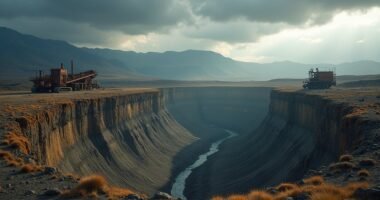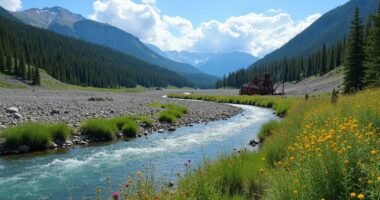

Canada’s Metal Mining Effluent Regulations (MDMER) are set for a major overhaul, with a 2026 ban looming for practices that don’t comply. This means metal and diamond mines must tighten up their act or face the music. New limits on pollutants like arsenic and copper are in place, along with stricter monitoring requirements. Think of it as a health and safety inspection for the environment! If mines want to keep operating, innovation in waste management will be key—there’s more to unpack on this evolving topic.
Quick Overview
- There is currently no official ban on metal mining effluent regulations set for 2026 in Canada; updates focus on stricter compliance.
- The Metal Mining Effluent Regulations (MDMER) aim to enhance environmental protection, not to impose bans on mining activities.
- New regulations introduced maximum limits for pollutants and enhanced monitoring, but do not indicate an impending ban.
- The regulations emphasize sustainable practices and waste management, encouraging mines to operate responsibly rather than cease operations.
- Future mining practices will likely focus on rehabilitation and minimizing environmental impact, aligning with stricter regulatory standards.
Understanding Canada’s Metal Mining Effluent Regulations
Understanding Canada’s Metal Mining Effluent Regulations can feel like traversing a dense forest filled with intricate pathways and hidden treasures, especially since these regulations play an essential role in safeguarding our aquatic environments. Established under the Fisheries Act, they allow metal and diamond mines to discharge effluent into fish-friendly waters, but only within strict limits. Picture a bouncer at an exclusive club—if the effluent’s quality doesn’t meet the criteria, it’s not getting in! With specific pH levels and contaminants monitored, these regulations guarantee that mining activities don’t turn pristine lakes into toxic swamps. These regulations consider the full lifecycle assessment of mining operations to minimize environmental impact from extraction through processing and disposal. Compliance is key; the health of our waterways depends on it! To ensure this, effluent quality standards establish strict limits on allowable effluent discharges to protect aquatic life. The introduction of a national Environmental Effects Monitoring program aims for consistent criteria and standard methods to keep track of effluent impacts on ecosystems.
What Are the Key Changes to MDMER?
What’s shaking in the world of Metal Mining Effluent Regulations (MDMER)? Major changes are on the horizon!
The new standards set maximum limits for nine pesky pollutants—think arsenic, copper, and cyanide—ensuring mine effluent won’t be a fish killer.
Plus, pH levels and monitoring requirements have been tightened, ensuring our aquatic friends stay safe and sound. Additionally, the amendments aim to designate two water bodies as Tailings Impoundment Areas (TIAs), which will facilitate regulated waste disposal. Furthermore, these regulations emphasize enhanced penalties for non-compliance, encouraging mining companies to adhere strictly to environmental standards.
And let’s not forget the Tailings Impoundment Area (TIA) authorization process, which now demands fish habitat compensation plans before any waste disposal.
The regulations also promote sustainable management practices that protect forest biodiversity while allowing responsible resource extraction in mining-adjacent woodland areas.
With these new guidelines, Environment and Climate Change Canada aims to keep mining operations cleaner and greener, making nature happier.
How These Changes Affect Mining Operations and Environmental Protection
As the new Metal Mining Effluent Regulations (MDMER) roll out, the landscape of mining operations across Canada is poised for significant transformation, guaranteeing that both environmental protection and operational efficiency go hand in hand. The regulations now impose strict limits on pollutants like arsenic and lead, compelling mines to rethink their waste management strategies. With designated tailings impoundment areas, some fish habitats will face destruction—surely a fishy affair. Furthermore, a focus on real-time monitoring guarantees compliance, keeping mines on their toes. Forward-thinking companies are implementing site rehabilitation techniques to restore mined lands to their natural state. Ultimately, while the regulations may seem like a heavy burden, they promise a cleaner, safer future for Canada’s waterways and wildlife. Additionally, fish habitat compensation plans will be required for mine waste disposal in fish-frequented areas under the new regulations.