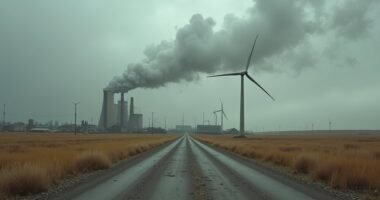

Canada is set to face record heat, with forecasts predicting that winter temperatures could rise more than 3°C. That’s like trading your cozy mittens for a sweatband! Urban areas might see four times as many sweltering days over 30°C, testing infrastructure like a pop quiz nobody studied for. It’s crucial for cities to amp up their game with risk assessments and heat resilience strategies. Curious about what these changes mean for Canadians? Stay tuned for more!
Quick Overview
- Canada is warming at double the global average, heightening the risk of record heat events and extreme temperatures.
- Forecasts predict 2026 will likely be among the hottest years on record, necessitating urgent risk assessments.
- Urban areas may experience four times more days exceeding 30°C, requiring innovative heat resilience strategies in planning.
- Climate risk assessments are essential for businesses to prepare for operational disruptions caused by extreme heat and related impacts.
- Collaborative community efforts are critical to develop comprehensive climate action plans that address the challenges posed by future heat risks.
The Impacts of Climate Change on Canadian Weather Patterns
As climate change continues to weave its intricate web across the globe, Canada finds itself at the heart of a rather alarming weather transformation.
The Great White North is warming at double the global average, turning its once-chilly reputation into a sauna. Extreme heat events are now commonplace, with heat waves making Canadians sweat like summer barbecues gone wrong. Average winter temperatures rose by 3.3°C, and this trend is only expected to intensify, further exacerbating the risks associated with extreme weather. This summer has already seen Jasper’s wildfires rage across landscapes, fueled by hotter temperatures that make dry vegetation a firestarter’s dream.
Meanwhile, heavy precipitation and flooding threaten to turn streets into rivers, leaving Canadians wondering if they should trade snow shovels for boats. These increasing climate impacts highlight the critical need for climate adaptation strategies that prepare communities for unavoidable changes while mitigation efforts continue.
Welcome to the new normal!
Key Trends in Canada’s Rising Temperatures
Canada’s changing climate paints a vivid picture of rising temperatures that could make even the most seasoned ice fisherman reconsider their choice of hobbies.
From 1948 to 2024, all regions have warmed, with northern areas experiencing increases exceeding 2°C. Canada is warming at over twice the global average, and the next few years are on track to shatter records, with 2026 likely to be among the hottest. With a staggering 99% probability that 2026 will outshine every previous year, Canadians may need to trade their skates for sunscreen as extreme heat waves become the new norm. The 2026 global mean temperature forecast predicts that the average temperature will be between 1.35 °C and 1.53 °C above pre-industrial levels. This unprecedented warmth is expected due to strong El Niño conditions returning, which could further elevate temperatures in 2026. The accumulation of greenhouse gases in the atmosphere is the primary driver behind these alarming temperature increases across Canada and globally.
Preparing for Future Heat Risks in Canada
While many may dream of sun-soaked summers, the reality of extreme heat in Canada is fast becoming a pressing concern that can’t be ignored.
With temperatures soaring towards record levels, cities could soon see four times as many days over 30°C. The upcoming five years are predicted to be the hottest on record, challenging communities to adapt Canada forecasted to experience hottest five-year period from 2026 to 2030.
Think of it as a race to keep cool—urban planners must innovate, from green roofs to reflective pavements.
Businesses need to incorporate climate risk assessments into their long-term strategy to mitigate operational disruptions during extreme heat events.
As climate change accelerates, investing in heat resilience strategies will be key. After all, a little foresight now could mean a cooler tomorrow. Canada predicted to experience extreme heat in 2026.