
Organized crime is sneaking into U.S. supply chains, particularly through mineral exploitation, with gold being the glittering prize. Latin American drug cartels have traded their cocaine routes for gold, grabbing control of mining operations and leaving devastation in their wake. Illegal mining not only destroys forests but also drains billions from economies, all while funding nefarious activities. But fear not! Strengthening governance and sourcing practices can help claw back control and guarantee a more responsible mineral market. Curious about the solutions? Keep on exploring!
Quick Overview
- Organized crime infiltrates mineral supply chains, threatening the integrity and security of US sourcing practices, especially in gold.
- Illegal mining activities contribute to significant environmental degradation, which impacts global supply chains and the sustainability of US markets.
- Weak regulations and corruption in mineral-rich countries allow organized crime to flourish, affecting the reliability of US supply sources.
- The economic consequences of illegal mining result in revenue losses for governments, which can destabilize regions that supply minerals to the US.
- Enhanced cooperation and strong governance are essential to combat mineral-related organized crime and secure US supply chains.
The Growing Threat of Organized Crime in Mineral Supply Chains
In today’s world, the shadow of organized crime looms larger than ever over mineral supply chains, and the numbers tell a formidable story.
Latin American drug cartels have cleverly traded in cocaine for gold, using familiar smuggling routes to rake in profits that often surpass those of their illicit predecessor.
With entities like Los Lobos in Ecuador and Colombia’s Ejército Gaitanista de Colombia exerting control over mining operations, the stakes are alarmingly high. Organized crime groups increasingly embedded in gold supply chains exploit weak regulations and corruption, only serving as open doors for these groups, turning artisanal mining into a dangerous game of extortion, violence, and environmental degradation. The gold sector has become a significant income source for OCGs, further exacerbating the challenges faced by legitimate miners and communities.
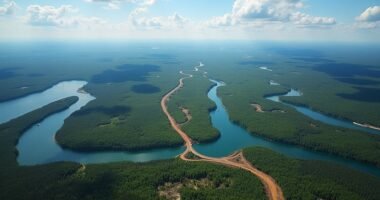
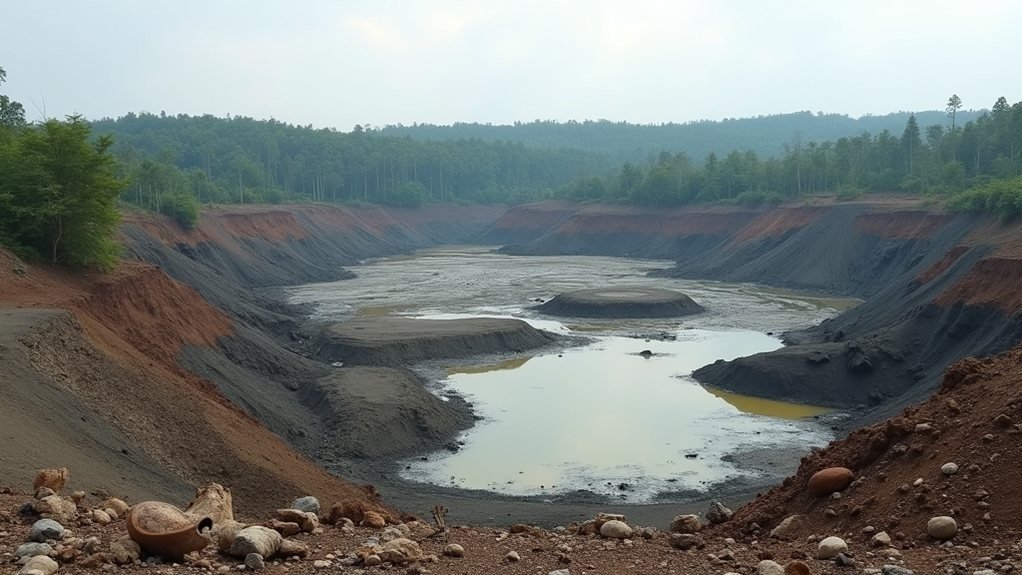
This criminal exploitation leads to widespread forest degradation as illegal mining operations often clear vast areas without implementing sustainable management practices.
The Need for Stronger Governance in Mineral Sourcing
How can stronger governance transform the murky waters of mineral sourcing? By implementing clear regulatory frameworks like the Dodd-Frank Act and OECD guidelines, companies can trace their supply chains more effectively, ensuring minerals are conflict-free. The minerals supply chain involves 3TGs miners, smelters, traders, and manufacturers, with a majority of companies lacking awareness of the presence of these minerals in their supply chains. Strong governance can be achieved by focusing on responsible minerals sourcing policies, which help organizations outline their due diligence standards and compliance expectations.
The Responsible Minerals Assurance Process (RMAP) acts like a security badge, certifying compliant smelters. Regular audits and transparent reporting templates, such as the CMRT, foster accountability. Adopting sustainable practices can help organizations meet environmental compliance requirements while securing ethical supply chains. With robust risk management and clear roles, organizations can confidently engage stakeholders while maneuvering through the complexities of sourcing. Strong governance not only enhances ethical practices but also boosts trust, ultimately securing a more sustainable supply chain for all.
Global Economic and Environmental Impacts of Illegal Mining
While the glimmer of gold and the allure of precious minerals may seem like a treasure trove of opportunity, the dark underbelly of illegal mining reveals a world of economic chaos and environmental destruction.
Governments lose $12-48 billion annually, with countries like the Democratic Republic of Congo and South Africa suffering significant revenue shortfalls. Illegal mining funds organized crime not only fuels organized crime but also devastates ecosystems, contributing to rampant deforestation and pollution. The destruction of natural habitats through these illegal operations poses a serious threat to species diversity and undermines conservation efforts worldwide. As rising gold prices entice illegal activities, the shadowy side of mining undermines legitimate markets and threatens the delicate balance of our planet, making it a problem we can no longer ignore. Moreover, the increased transnational criminal offenses linked to illegal mining highlight the urgent need for enhanced cooperation among States to combat these issues effectively.