
A fierce winter storm has swept through the U.S., tragically claiming 42 lives and wreaking havoc across 37 states. While busy snow shoveling may seem like just another snowy day, the reality is that this extreme weather event saw power outages for over a million people and snow piling up more than a foot in some areas. With climate change playing a role, it’s essential to prepare for whatever storms come next. Curious about how to stay safe?
Quick Overview
- The recent winter storm has resulted in 42 confirmed deaths across the United States, highlighting the storm’s severity.
- New York City reported eight fatalities, primarily linked to extreme weather conditions and snow removal accidents.
- In Pennsylvania, three deaths occurred during snow removal efforts, demonstrating the risks associated with clearing snow.
- Three brothers tragically drowned in an icy pond in Texas, reflecting the dangers posed by frozen bodies of water.
- Vulnerable populations are particularly at risk, facing threats like hypothermia and carbon monoxide exposure during severe winter weather.
Context of the Winter Storm: Understanding the Scale and Impact
In the grand theater of winter weather, the recent storm that swept across the United States played the lead role, engaging audiences from the Rocky Mountains to the bustling streets of the Northeast.
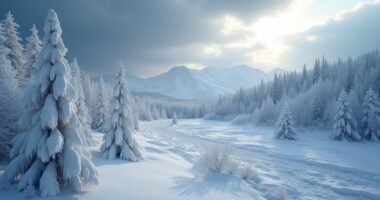
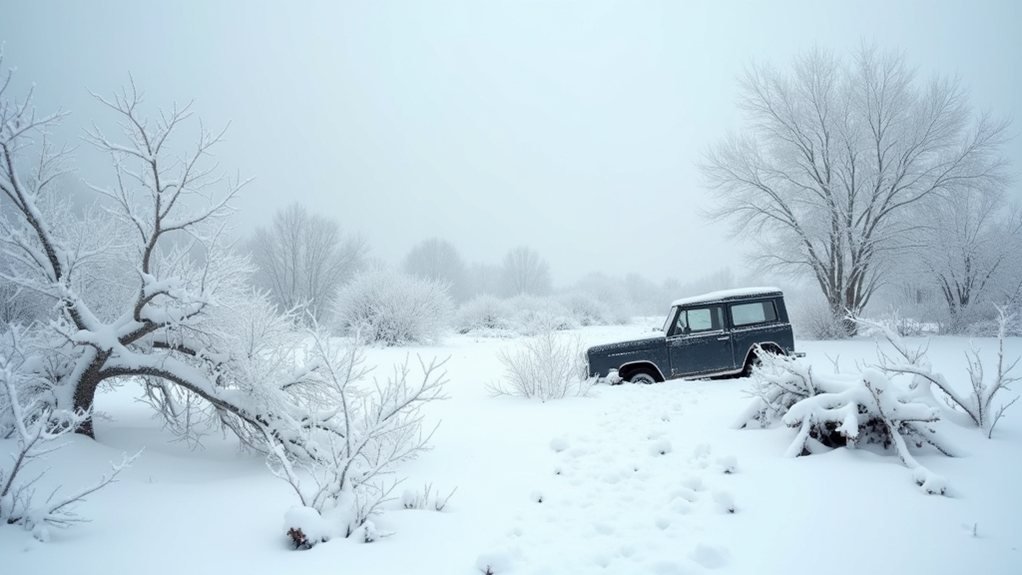
Affecting 37 states and southeastern Canada, it entrapped 180 million people under winter warnings. With snow piling over 30 centimeters and ice clinging to power lines, the storm transformed ordinary landscapes into treacherous scenes. Over 1 million electricity customers experienced power outages, disrupting daily life and emergency services. The storm was linked to climate change impacts, which contributed to the heavy precipitation and hazardous conditions.
Roads closed and flights grounded, it was a chilling reminder of nature’s power. As temperatures plummeted and winds howled, communities braced for the impact, revealing winter’s dual nature: awe-inspiring and utterly disruptive. This event also highlighted the need for climate adaptation measures to prepare infrastructure and communities for increasing extreme weather.
The Rising Death Toll From the Winter Storm: State-By-State Breakdown
A staggering 42 lives were lost across the United States as a result of the recent winter storm, with that number climbing dramatically in the days that followed. In the Northeast, eight fatalities occurred in New York City, while Pennsylvania saw three deaths linked to snow removal. The South reported tragic incidents, including three brothers drowning in an icy pond in Texas. Meanwhile, a teenager in Arkansas died after a snow-related ATV accident. Across multiple states, fatalities stemmed from snow-related mishaps and hypothermia, with over 100 fatalities reported nationwide. Vulnerable populations, like the elderly and children, faced the highest risks in these extreme conditions, and many were affected by carbon monoxide exposure while trying to heat their homes during power outages. Emergency responders emphasized the importance of water conservation and careful resource management during prolonged outages to ensure safe access to drinking water for affected communities.
Upcoming Weather Threats and How to Prepare: Safety Tips and Resources
As the remnants of the recent winter storm linger in the air, the focus shifts to preparing for the next wave of weather threats. Staying informed is essential—tune into forecasts like a weather-loving DJ spinning the hottest tracks. Assemble emergency kits with food, water, and warm clothing, because you never know when Mother Nature will throw a tantrum. Prepare your home for the cold by insulating water lines and caulking windows to prevent drafts. Additionally, be proactive about preventing frozen pipes by ensuring backup power and sealing exterior cracks. Keep that gas tank full and your vehicle stocked with a winter emergency kit, just in case! And remember, while it’s tempting to build a snowman, it’s wiser to clear snow from exhaust pipes—safety first, snowmen second! Poor indoor ventilation during cold weather can worsen indoor air quality, increasing respiratory risks. Stay smart, stay warm.