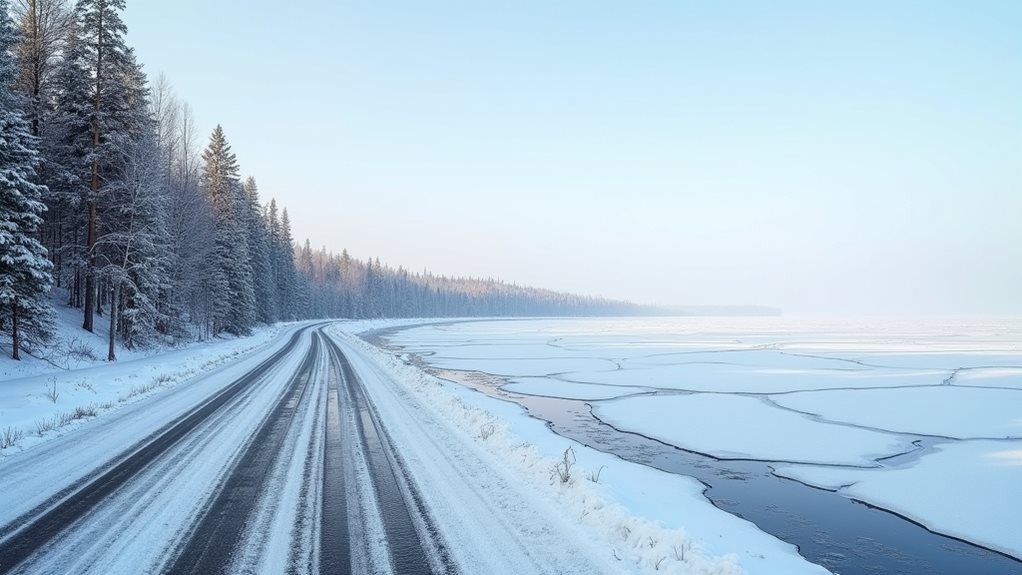

As climate change continues to reshape our world, Indigenous communities find themselves caught in a storm of environmental upheaval that threatens their very way of life. Among the most pressing challenges is the vanishing lifeline of winter roads. These roads, often made of packed snow and ice, serve as crucial arteries connecting remote communities to essential goods and services. However, as temperatures rise, these icy connections are becoming increasingly unreliable.
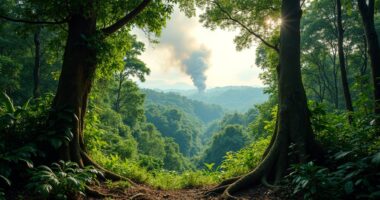
Picture this: a once-reliable winter road now resembles a slippery slope of disappointment, thanks to warmer winters and unpredictable weather patterns. The shrinking ice means higher costs for transportation as families rely on pricier alternatives like air travel, all while trying to keep their budgets in check. It’s a bit like trying to navigate a grocery store with a shopping list in one hand and a balloon in the other—everything is floating just out of reach. Increased transportation challenges for Indigenous communities compared to non-Indigenous are further complicating this situation, making it even harder for them to access what they need. The ongoing logging and mining activities continue to threaten Indigenous territories, exacerbating the struggles of these communities.
Moreover, these roads are more than just a means of transport; they are lifelines that support traditional practices like hunting and fishing. With the decline in road accessibility, the already precarious balance of food security is tipped further into uncertainty. Imagine the frustration of not being able to reach your favorite fishing spot because the ice simply isn’t there anymore. That’s not just a bad day; it’s a food crisis waiting to happen.
As if that weren’t enough, the economic implications are staggering. The reliance on winter roads to transport goods becomes a costly endeavor, raising the price of living in these isolated communities. The erosion of these crucial connections is not just about logistics; it’s about identity and culture, the very essence of what makes these communities unique.
In this whirlwind of change, the resilience of Indigenous communities shines through. They draw upon traditional knowledge and innovative practices to adapt and fight back against the tides of climate change. Forward-thinking businesses are beginning to incorporate sustainability frameworks into their operations to address climate impacts on vulnerable communities. But as they navigate this complex landscape, it’s clear that the road ahead is anything but smooth.