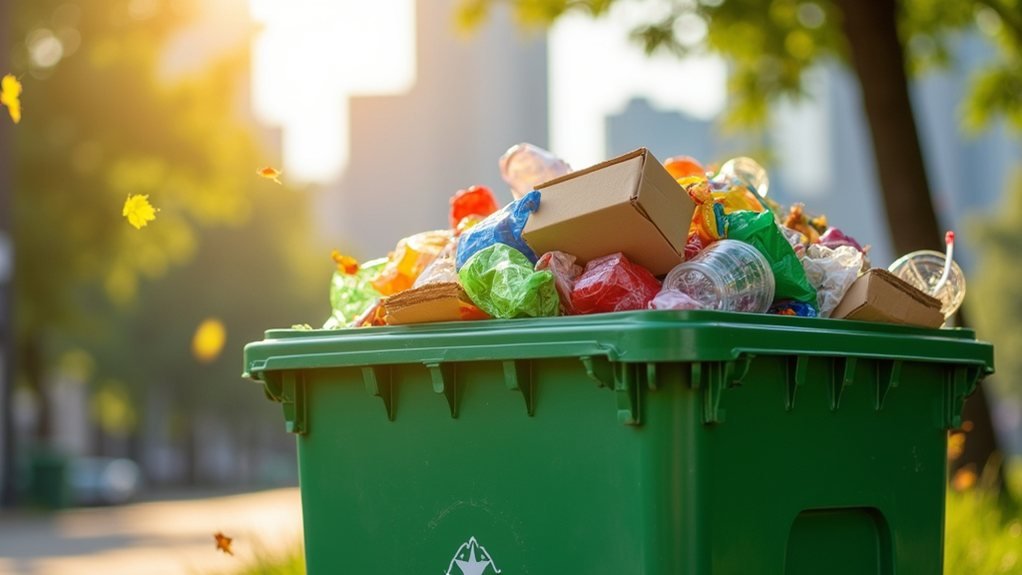

In 2026, Extended Producer Responsibility (EPR) regulations for packaging will transform how producers handle post-consumer waste. Think of it as a team sport where manufacturers pay for recycling efforts instead of leaving municipalities holding the bag—or, in this case, the trash. With registration deadlines looming and eco-modulated fees that could make or break a budget, steering through this landscape will require finesse. Those curious about best practices and compliance strategies will find a treasure trove of insights ahead.
Quick Overview
- EPR laws in multiple states, including California and Colorado, will enforce new recycling reforms by 2026, shifting costs to producers.
- Registration deadlines vary by state, with Maine, Maryland, and Washington requiring compliance by mid-2026.
- Accurate data reporting is mandatory post-registration, impacting compliance costs and avoiding penalties.
- Producers must adapt to evolving EPR regulations to ensure market access and avoid fines or sales bans.
- Eco-modulated fees based on packaging recyclability will influence financial planning and compliance strategies.
How to Navigate EPR Compliance for Packaging Producers in 2026
As packaging producers gear up for the 2026 implementation of Extended Producer Responsibility (EPR) laws, maneuvering compliance might feel a bit like trying to solve a Rubik’s Cube in the dark—complex and slightly frustrating.
Producers must navigate a maze of registration deadlines, such as California’s July 1, 2025, and Colorado’s fine-laden landscape. Tracking state-specific requirements is essential; missing a deadline could lead to hefty fines or even a sales ban. EPR programs in states like California and Colorado are designed to shift the financial burden of post-consumer packaging from municipalities to producers, making compliance even more critical. As of December 2025, seven states have enacted packaging EPR laws, further complicating the landscape for producers.
Adopting a conscious consumption approach can help producers design packaging that minimizes waste generation from the start, potentially reducing EPR compliance costs.
With eco-modulated fees and rigorous data reporting obligations, it’s clear: staying informed is the key. Think of compliance as a game where paying attention to the rules can save your business.
Essential Compliance and Reporting Requirements for EPR
Steering through the landscape of Extended Producer Responsibility (EPR) compliance can feel like starting a scavenger hunt where the map keeps changing.
Producers must register with their designated Stewardship Organization by May 2026 in Maine, while Maryland and Washington set their deadlines for July 1, 2026. Oregon’s SB 582 is the first operational EPR for packaging program, starting July 2025, setting a precedent for others to follow. Data reporting is a must, with packaging details due soon after registration. The fee payment schedule complicates matters further, with penalties for noncompliance looming. EPR laws focus on packaging waste, shifting responsibility from consumers to producers, which adds to the urgency for compliance.
These regulations vary significantly by state, with material selection becoming a critical factor in determining compliance costs and recycling outcomes.
Combined with ongoing requirements to design recyclable packaging and engage suppliers, maneuvering through these regulations might feel like herding cats—exciting but chaotic!
Yet, staying organized can lead to success amidst the confusion.
Best Practices for Navigating EPR Regulations in North America
Finding your way through the maze of Extended Producer Responsibility (EPR) regulations in North America can feel a bit like trying to find your way through a corn maze—exciting, but with a fair chance of getting lost along the way. To navigate effectively, producers should prioritize timely registration with approved Producer Responsibility Organizations (PROs) and maintain accurate, auditable data to avoid enforcement penalties. The emphasis on data accuracy is essential as regulators are requiring more detailed reporting to ensure compliance. Anticipating eco-modulated fees based on recyclability is essential for sound financial planning. Additionally, as 2025 marked the end of delaying compliance without consequences, producers must act swiftly to align their operations with the new regulations. Aligning with the waste hierarchy principles can help producers demonstrate environmental commitment while potentially reducing fees under new EPR frameworks. Finally, staying compliant is key to market access; non-compliance could leave products sidelined.