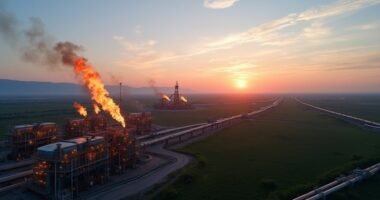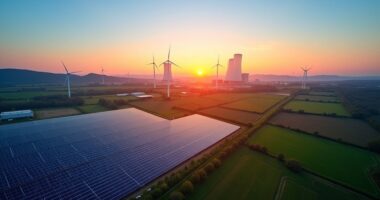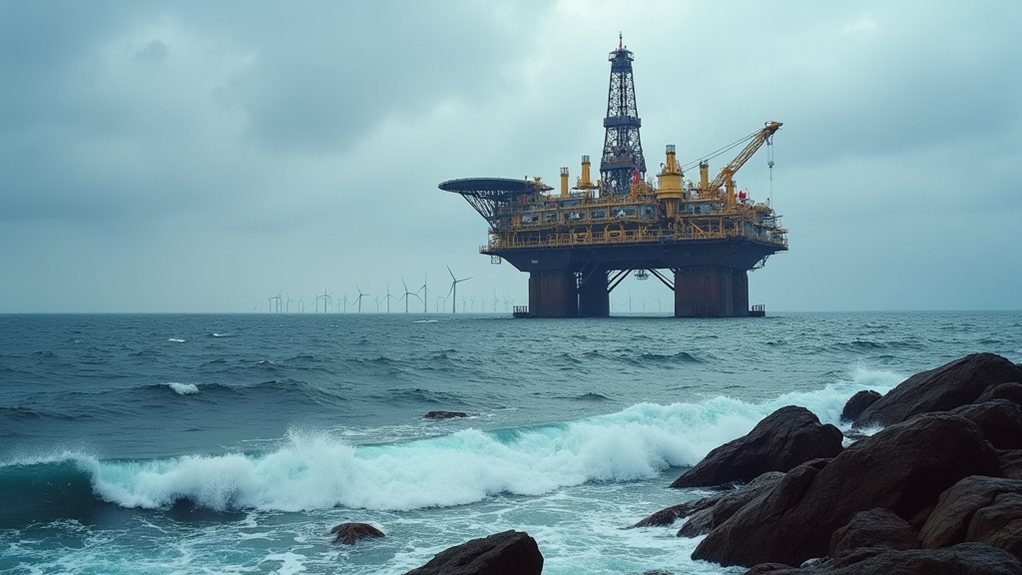
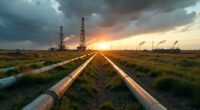
The UK government is currently in talks about potentially ending the Windfall Tax on oil and gas producers by 2026. This hefty 78% tax, initially placed to capture extraordinary profits due to rising energy prices, has left producers feeling taxed to the max—like a very hearty dinner gone wrong. Scrapping it could lead to a boost in North Sea investments and might ignite a wave of innovation. What happens next could reshape the energy landscape, so stay tuned for more developments!
Quick Overview
- The UK government is discussing the potential end of the 78% Windfall Tax on oil and gas producers to foster investment in the North Sea.
- Industry leaders, including BP and Shell, express concerns that high taxes hamper profitability and future operations.
- Ending the windfall tax could lead to increased investment and innovation in energy production and exploration.
- A stable regulatory environment is critical for energy producers to make long-term plans and investments.
- Ongoing dialogues between the Treasury and oil/gas companies will influence future economic and environmental policies related to energy production.
Key Changes in the Windfall Tax Explained
When it comes to understanding the recent changes in the UK’s windfall tax, or the Energy Profits Levy (EPL) as it’s officially known, it can feel like trying to make sense of a particularly twisted maze. Identifying and managing climate-related risks is becoming increasingly important for businesses affected by such fiscal policies.
Introduced in 2022 post-Russia-Ukraine invasion, the EPL aimed to capture extraordinary profits, boasting a jaw-dropping rate of 78%. The current headline tax rate for North Sea oil and gas is (78%). Originally a temporary measure, it has been extended multiple times, running through March 2030—unless prices drop considerably. Meanwhile, the industry is fraught with discontent, with producers claiming the rate feels confiscatory—like grabbing popcorn without asking! Amid this backdrop, new profit attribution rules are likely to impact the taxation landscape, further influencing the windfall tax discussion. All eyes now turn to the Chancellor for potential reform.
How Will the Windfall Tax Changes Affect Investments?
While investors in the UK energy sector might feel as though they’re maneuvering a precarious tightrope, the recent discussions surrounding the windfall tax changes introduce a flicker of hope for a more stable investment landscape. Embracing circular economy principles could help companies to rethink resource use and reduce waste as they develop new projects.
The exploration of scrapping the hefty 78% Energy Profits Levy could revitalize investment in the North Sea, where companies like BP and Shell have hit the brakes due to high taxes. A significant decline in North Sea oil production could prompt companies to reconsider their investment strategies and prioritize the development of new projects. The UK Treasury is contemplating scrapping the windfall tax could lead to a more favorable investment climate as businesses seek to expand their operations.
Ending the levy early could usher in a cleaner, more sustainable energy future, encouraging firms to reclaim their cash flow and focus on innovation, rather than dodging tax hikes like a game of economic whack-a-mole.
How Do We Balance Climate Goals With Economic Security?
How can the UK effectively juggle its ambitious climate goals while ensuring economic security?
The dance between climate initiatives and economic stability resembles a balancing act on a tightrope. As the UK seeks energy security through North Sea oil and gas licenses, concerns arise about locking in fossil fuels beyond the IPCC’s window. Meanwhile, investments in green technologies promise jobs and growth. It is crucial that the UK continues to prioritize territorial greenhouse-gas emissions reductions even while addressing immediate economic challenges. One effective way to do this is by adopting sector-specific emission reduction strategies that target the highest-impact areas. Steering through this duality requires clarity in climate policies and investments, like skilled dancers rehearsing a choreography. As the government rolls out the Carbon Budget Growth initiative, sustained private investment and risk-sharing will be essential to ensure both environmental progress and economic resilience.