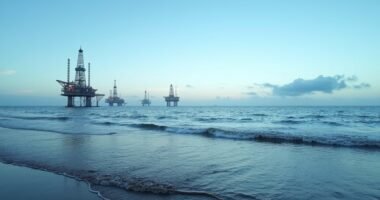

The Trump administration’s offshore drilling plan has raised eyebrows and serious concerns. Experts warn it may trigger thousands of oil spills, wreaking havoc on marine ecosystems and local economies. Imagine beaches turning into ghost towns as tourists flee and wildlife suffers from organ damage and habitat loss. With bipartisan opposition from coastal leaders, the push for protective measures is stronger than ever. The stakes are high, and there’s much more to uncover about these risks and responses.
Quick Overview
- Trump’s offshore drilling plan raises concerns about potential oil spills, which could devastate marine life and coastal ecosystems.
- Increased drilling activity may lead to multiple spills, threatening the livelihoods of coastal communities reliant on tourism and recreation.
- Historical oil spills, like Deepwater Horizon, highlight the far-reaching environmental and economic consequences of offshore drilling.
- Bipartisan opposition from local leaders emphasizes the need to protect vulnerable coastal areas from the risks associated with drilling.
- The plan could disrupt marine biodiversity, exacerbating the long-term ecological damage that spills inflict on coastal habitats.
The Immediate Environmental Risks of Offshore Oil Spills
What happens when a slick of oil meets the ocean? Chaos ensues.
Marine life, from fish to mammals, suffers dire consequences; cardiac arrest and anemia become the new normal for those unlucky enough to encounter polycyclic aromatic hydrocarbons (PAH). The persistence of oil can lead to long-term ecological impacts, affecting species for years after a spill. Additionally, exposure to oil causes death and organ damage in various wildlife, compounding the devastation.
Oxygen-starved zones from methane pockets lead to fish kills, while over a million seabirds succumb to oil-coated feathers that sabotage their flight.
Coastal habitats deteriorate, with oil choking tidal flats and marshes, preventing plant life from thriving.
This toxic cocktail disrupts the food chain, and the effects linger like an unwanted guest, haunting ecosystems for years.
It’s a messy affair, indeed.
Economic Risks for Coastal Communities
The ripple effects of offshore drilling extend far beyond the waves, crashing into the economic shores of coastal communities.
Offshore drilling’s impact reaches deep, threatening the economic vitality of coastal communities and their way of life.
With coastal recreation and tourism raking in $250 billion annually and supporting millions of jobs, the stakes are high. Offshore drilling can threaten tens of billions of dollars in coastal economic activity, jeopardizing the livelihoods of countless families that depend on a thriving marine ecosystem. The potential risks to wildlife and ecosystems from spills can also deter tourists, further impacting local economies.
Oil spills can shutter beaches, turning bustling tourist spots into eerie ghost towns, while fisheries closures wreak havoc on local economies.
Just imagine the fishing community reeling from a spill, missing out on valuable catches.
Cleanup costs can soar into the billions, draining local budgets faster than a leaking rig.
In the end, drilling threatens not just the ocean, but livelihoods and homes.
What Are the Political Responses to Offshore Drilling?
As political winds shift like the tides, opposition to offshore drilling has emerged as a unifying force across party lines, especially in states like Florida and California.
In Florida, bipartisan leaders, including Governor Ron DeSantis, rally against drilling expansion, citing environmental protections and national security. DeSantis emphasizes the importance of military training access in the area as a critical concern.
On the West Coast, governors and legislators from both parties unite to voice their concerns, emphasizing threats to marine ecosystems and the need for legislative unity to protect California’s coastline.
Even as the American Petroleum Institute cheers the drilling plan, the overwhelming political response showcases a collective commitment to safeguarding coastal communities, reminding everyone that history, like the Deepwater Horizon spill, shouldn’t repeat itself. biodiversity plays a foundational role in sustaining coastal resilience and the health of marine ecosystems, underscoring why these protections matter.