Abandoned wells may seem like harmless relics, but they’re actually leaking tons of methane into our oceans, transforming them into methane-spewing megaphones. With super-emitting wells blasting as much as 76 kilograms of methane per hour, these hidden dangers are fueling climate change. And it gets worse! Many of these wells can also contaminate local groundwater. Ignoring this issue could lead to some serious troubles ahead, so let’s unpack why action is essential.
The Hidden Dangers of Abandoned Wells
In the intricate tapestry of environmental issues, abandoned wells weave a particularly alarming thread—one that contributes considerably to methane emissions. These forgotten relics of oil and gas extraction have a nasty habit of leaking methane, a greenhouse gas so potent it makes carbon dioxide look like the mild-mannered sidekick in the climate change drama. Over a 20-year span, methane is 84 times more powerful than CO₂, making these abandoned wells silent but deadly players in the ongoing climate crisis. Proper environmental impact assessments could have prevented many of these abandoned well issues by identifying potential long-term effects before project implementation.
The emissions from these wells can vary wildly, much like your favorite pizza toppings. Unplugged wells are the real troublemakers, spewing an average of 586 grams of methane per hour. But wait—some super-emitting wells can release a staggering 76 kilograms of methane in just an hour. That’s like letting a hippo loose in a swimming pool, creating quite the splash! Alarmingly, abandoned wells account for up to 10% of methane emissions from oil and gas production in the U.S., proving that these forgotten holes in the ground are not so harmless after all.
Abandoned wells are silent giants, leaking methane and threatening our climate like a hippo in a pool!
But it’s not just methane that poses a threat. These wells can also leak other harmful gases and chemicals like benzene and hydrogen sulfide, which sound more like the names of villainous characters in a superhero movie than actual pollutants.
Furthermore, up to 35% of orphaned wells threaten local groundwater, raising the specter of contamination that could affect drinking water supplies.
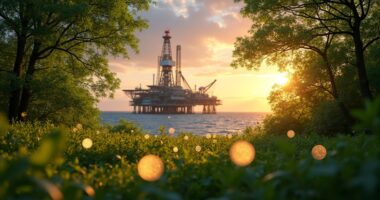
And if that weren’t enough, offshore abandoned wells exacerbate the problem by allowing methane to seep into the oceans, causing a ripple effect that could degrade ecosystems on a global scale.
To conclude, these abandoned wells are not just relics; they are ticking time bombs in the environment, reminding us that sometimes, the things we forget can be the most dangerous of all.