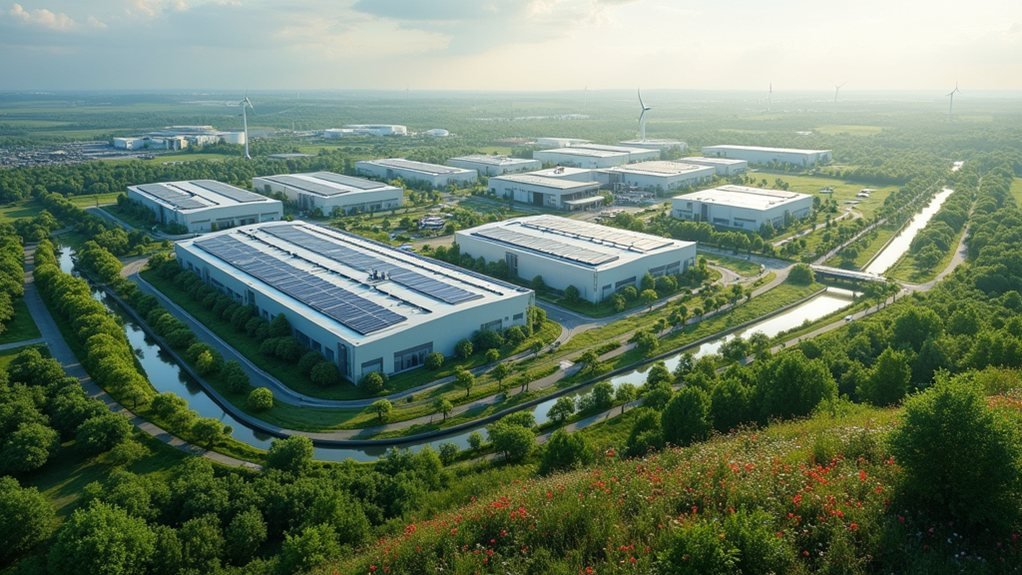

The validation of climate targets for over 10,000 companies under the Science-Based Targets initiative (SBTi) represents a monumental shift in corporate responsibility. With more than 40% of market capitalization stepping up, businesses are aligning with climate science—not just for brownie points but also to boost investor confidence. This trend signifies an urgent call to action, as companies gear up to tackle climate challenges with innovative strategies and meaningful commitments. Stay tuned for more insights on how they plan to engineer a greener future!
Quick Overview
- Over 10,000 companies have set validated science-based targets, marking a significant shift in corporate climate action commitment.
- The growth of validated targets by 440% reflects increasing global corporate awareness of climate issues.
- More than 40% of market capitalization is dedicated to meaningful climate action through these targets.
- Companies are shifting from target setting to implementing impactful strategies for actual decarbonization and sustainability.
- Aligning operations with net-zero goals enhances investor confidence and marketplace reputation for participating companies.
The Importance of 10,000 Validated Climate Targets for Corporations
While one might assume that corporate climate targets are just another box to check off in a sustainability report, the reality is quite different and considerably more impactful. This approach is underpinned by science-based targets that translate climate scenarios into concrete corporate actions.
The milestone of 10,000 validated science-based targets signifies a global movement where over 40% of market capitalization has committed to meaningful climate action. This surge—440% growth in just a few years—proves that many companies realize aligning with climate science boosts investor confidence and enhances reputations. Notably, this significant increase in validated targets underscores the commitment of companies worldwide to combat climate change.
Picture it: a coalition of eco-warriors disguised as CEOs, collectively saving the planet—one target at a time. It’s not just business; it’s the future of commerce, thriving on sustainability.
Future Pathways: What’s Next for Science-Based Targets?
Anticipation fills the air as the future of science-based targets unfolds, promising a transformative journey for corporations committed to combating climate change. Future Pathways offer a roadmap for integrating science-based targets with business strategy and operations.
Coming updates like the Corporate Net-Zero Standard v2.0 and the Power Sector Net-Zero Guidance aim to refine emissions targets, helping companies cut through the green tape. In addition, a newly validated 2,220 companies have made SBTi pledges for net zero by 2050, showcasing the growing commitment within the corporate sector. Furthermore, companies must align operations with net-zero by 2050, which underscores the urgency of credible actions in the climate battle.
Meanwhile, Science-Based Targets for Nature (SBTN) is branching out to include land, ocean, and biodiversity goals.
Companies enthusiastic to make a real impact have a wealth of new tools on the horizon; it’s like upgrading from a bicycle to a rocket ship in the quest for sustainability.
The countdown to 2026 has begun!
Corporate Strategies for Impactful Climate Action
As companies gear up for a new wave of climate action, the conversation shifts from merely setting science-based targets to implementing effective strategies that drive real change. A practical approach is understanding supply chain evaluation methodologies that assess environmental and social performance across suppliers. Firms are redirecting focus from data perfection to tangible decarbonization actions, like engaging suppliers and enhancing energy efficiency. With 83% increasing sustainability investments, urgency fuels their commitment to net-zero, amid regulatory uncertainties. Strategies now hinge on operational risks and competitive advantages rather than just compliance. Teams prioritize results, measuring success through reduced emissions, engaged employees, and well-managed supply chains. As many companies say, it’s time to stop just talking carbon and start actually cutting it down!