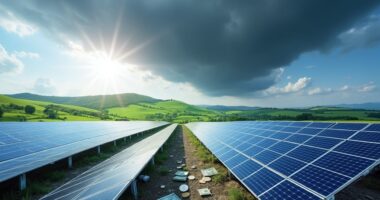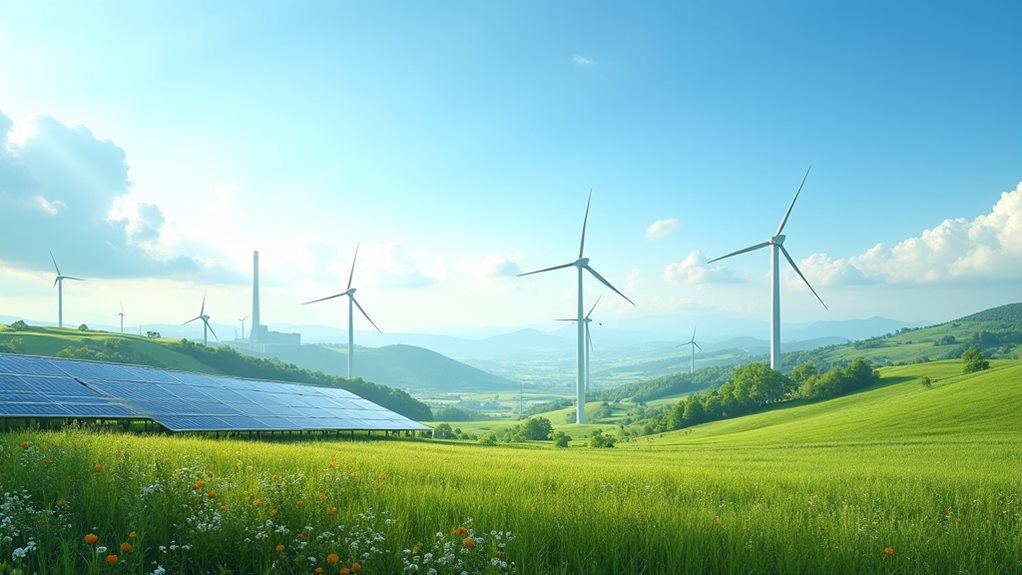

In a remarkable turn of events that feels like a plot twist straight out of an energy thriller, renewable energy sources have officially outpaced coal in electricity generation as of 2025. This milestone is not just a number on paper; it symbolizes a major shift in how the world harnesses power. By 2025, renewables contributed a staggering 35% of global electricity, with solar and wind leading the charge, proving to be the dynamic duo of the energy world.
The growth came at an astonishing pace. In 2023 alone, global renewable capacity additions reached 536 gigawatts (GW), with China strutting ahead, adding 350 GW. The European Union wasn’t far behind, turbocharging solar photovoltaic (PV) and wind deployment. Meanwhile, in the U.S., the Inflation Reduction Act (IRA) rolled out funding to supercharge renewable projects. India, not to be left out, boldly committed to a whopping 500 GW of non-fossil power capacity by 2030.
Economically, renewables are the new black. The levelized cost of electricity for renewables is dropping faster than a hot potato, with solar PV costs tumbling 12% for new projects in 2023. This trend keeps energy affordable and reliable, while geopolitical crises seem to have a softer impact on renewable energy prices compared to fossil fuels. Furthermore, electricity generation from renewables accounts for over three-quarters of the projected renewable energy consumption growth by 2030. Additionally, the cost of solar energy has decreased by nearly 90% in the past decade, making renewables even more attractive.
Renewables are the new black, with solar costs plunging 12% in 2023, making energy both affordable and resilient.
But the benefits don’t stop at the wallet. The expansion of renewables has also been a major player in reducing CO2 emissions, saving a jaw-dropping $209 billion from avoided greenhouse gases. With innovations like solar storage systems and doubled wind energy storage capacity, the future looks bright—pun intended. The transition to clean energy sources provides numerous environmental advantages that extend beyond carbon reduction to include improved air quality and reduced water usage.
Yet, challenges persist. Electricity still only accounts for one-fifth of global energy consumption, and greater roles for renewables in transportation and heating remain to be explored.
Still, with projections showing solar alone could meet half of global electricity demand growth by 2025, the journey toward a cleaner, greener future is well underway.