
In 2025, modular construction is gearing up to dominate the building scene, pushing boundaries of waste reduction and speed. Envision this: it slashes construction waste by up to 90% while getting projects up to 50% faster than traditional methods—like turning a marathon into a brisk jog! With energy-efficient designs and recycled materials leading the charge, it’s not just smart; it’s downright eco-chic. Curious how this game-changing movement tackles housing shortages? There’s more to discover!
The Future of Construction: Modular Innovation
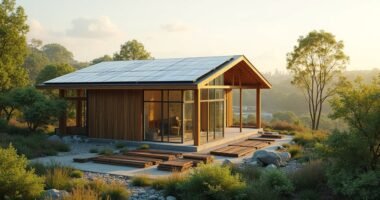
Have you ever wondered how buildings could be constructed faster, cheaper, and with a smaller carbon footprint? Enter modular construction, a game changer that’s redefining the industry in 2025. This innovative approach to building uses prefabricated sections, or modules, crafted offsite in a controlled environment. Imagine assembling a Lego set, but instead of a whimsical castle, you get an entire home or office—complete with energy-efficient features and a dash of style.
Thanks to technological advancements, the precision of construction has skyrocketed. AI-driven manufacturing and Building Information Modeling (BIM) streamline the planning process, ensuring that designs are customized down to the last detail. Smart home technology integration makes it easier for homeowners to monitor and control their energy usage. Additionally, modular buildings allow for more accurate material estimates, reducing over-ordering and leading to a reduction in environmental impact from material extraction.
Technological breakthroughs like AI and BIM are revolutionizing construction precision, customizing designs with unmatched detail and efficiency.
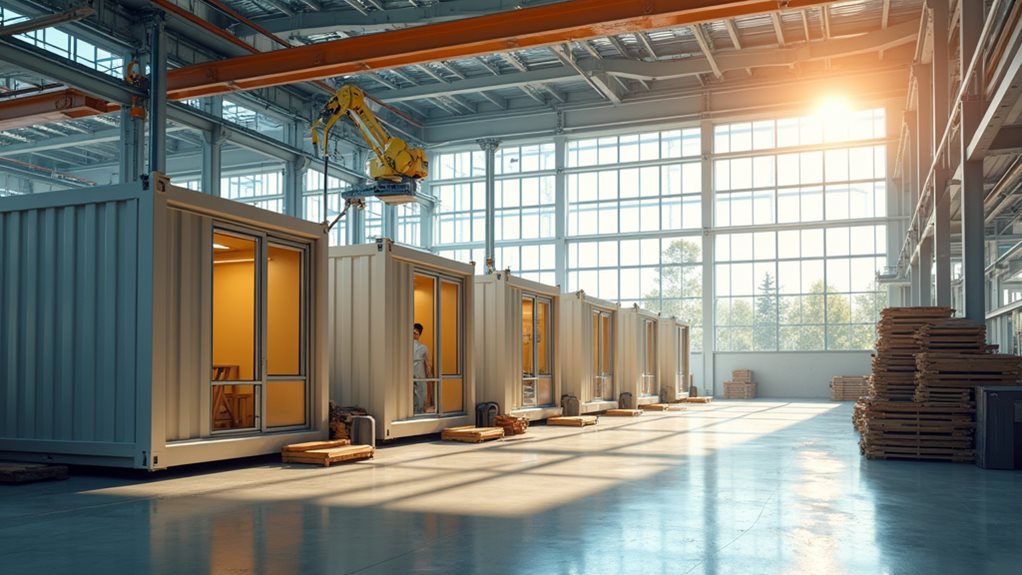
Meanwhile, robotics whiz through factory assembly like they’re on a race track, reducing labor needs and speeding up the production timeline. In fact, projects can be completed 30 to 50 percent faster than traditional builds. That’s like finishing a marathon before the snack bar even opens! This approach embraces conscious consumption principles by maximizing resource efficiency and minimizing excess materials.
Sustainability is another ace up modular construction’s sleeve. This method can cut construction waste by an astounding 70 to 90 percent. Up to 96 percent of materials used are recyclable, and with a focus on eco-friendly materials, it’s kind of like building with Mother Nature’s blessing.
What’s more, these structures emit up to 67 percent fewer carbon emissions during production. Just think about that the next time you’re stuck behind a gas-guzzling construction truck.
Economically speaking, modular construction offers predictable budgets and significant cost savings—think 20 percent less spent on materials and labor.
And as cities grapple with housing shortages, this method’s scalability makes it a knight in shining armor for affordable housing initiatives.
In 2025, modular construction isn’t just a trend; it’s a revolution. With its blend of efficiency, sustainability, and customization, it’s set to dominate the construction landscape.