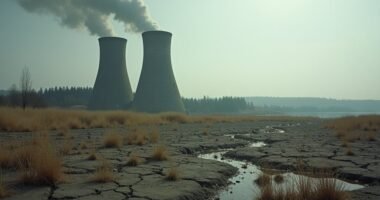
The EU LIFE Programme is indeed rising to the challenge of its ambitious nature restoration goals. With a budget boost of nearly 60%, it’s set to tackle the restoration of essential ecosystems. Imagine turning unhealthy habitats into thriving green spaces, which not only supports wildlife but also adds to our economic well-being. While there are hurdles ahead, like funding gaps and varying national commitments, the commitment to a greener future is good news. Stay tuned to see how it unfolds!
The EU LIFE Programme: A Path to Ecosystem Restoration
As the European Union sets its sights on restoring the health of its ecosystems, the EU LIFE Programme emerges as a crucial player in this green renaissance. Established back in 1992, this funding instrument for environmental action has financed over 4,600 projects, proving that it’s not just a flash in the pan but a long-term commitment to the planet.
With a budget bolstered by nearly 60% for the 2021-2027 period, totaling a hefty €5.45 billion, it aims to tackle environmental challenges head-on. The LIFE Programme is structured into four sub-programmes, each addressing critical areas like nature conservation, circular economy, climate change, and clean energy. It supports strategic projects that align with the EU’s ambitious Nature Restoration Law, which sets legally binding targets to restore 20% of EU land and sea areas by 2030. Given that over 80% of EU habitats are in poor condition, this is more than just a nice idea; it’s a necessity. Additionally, the urgency to halt biodiversity loss emphasizes the importance of these restoration efforts. The urgent need for ecosystem restoration is highlighted by recent assessments that reveal the dire state of natural habitats across the EU.
Notable projects like GrassLIFE in Latvia and LIFE CONNECTS in Sweden illustrate the programme’s impact, focusing on restoring grasslands and river systems. These initiatives showcase how €1 invested can yield impressive returns of €8 to €38, making restoration not just ecologically sound but economically savvy. These restoration projects help maintain ecosystem services that are essential for human well-being and economic stability.
However, challenges lurk in the shadows. The reduction of the original 30% restoration target to 20% raises eyebrows, as do loopholes that might prioritize renewable energy over conservation.
Moreover, the reliance on Member States to implement and monitor national restoration plans could lead to uneven commitment. With an estimated €19 billion annual gap in biodiversity conservation funding, the road to restoration isn’t exactly smooth.
Still, the LIFE Programme remains a beacon of hope, providing the necessary financing and expertise to tackle these pressing challenges. If it can rise to the occasion, the EU might just find itself on the path to a healthier, greener future.