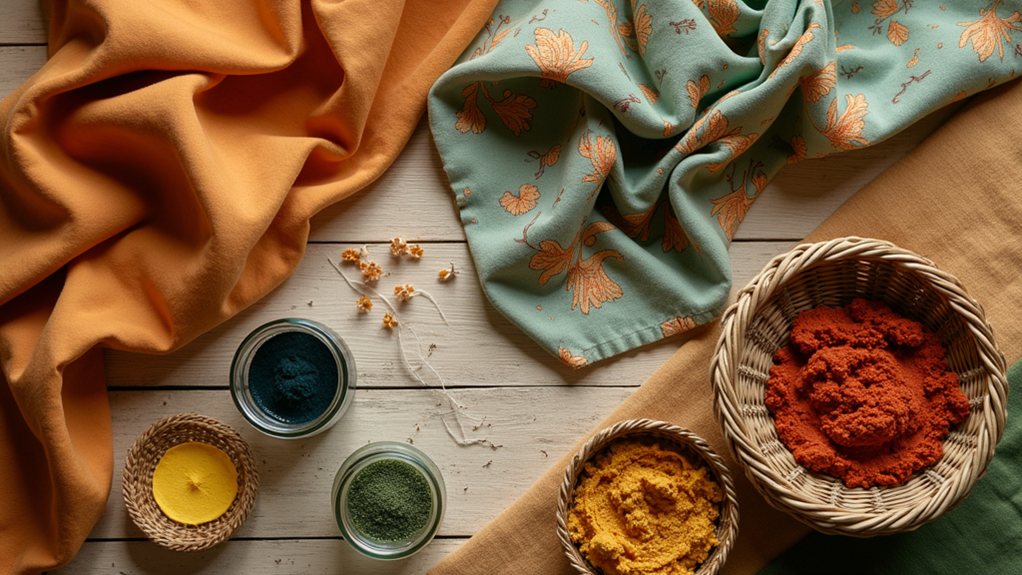

Fashion’s circular economy is taking off, thanks to the rise of rental services, upcycled fashion, and eco-friendly dyes. Imagine borrowing designer outfits without breaking the bank – that’s what rentals bring to the party! Upcycling turns old materials into trendy pieces, reducing waste like an environmental superhero. Plus, friendly regulations are nudging companies toward sustainable practices. All these changes could make the fashion world as green as a lush rainforest. Curious about how these trends are shaking things up further?
Quick Overview
- The fashion rental market is projected to grow significantly, driven by Millennials and Gen Z’s preference for access over ownership, reducing waste.
- Upcycling is gaining traction, with the market expected to rise from $8.54 billion in 2024 to $20.65 billion by 2034, emphasizing sustainability.
- Innovations in upcycling convert waste into fashionable items, showcasing the potential for stylish solutions from discarded materials.
- Regulatory frameworks, like the EU’s Extended Producer Responsibility, push brands toward sustainable practices, promoting circular economy principles in fashion.
- Eco-friendly dyes are emerging as a key trend, aligning with consumer demand for environmentally responsible production methods in the industry.
Rental and Resale: Transforming Fashion Consumption
Have you ever wondered how a simple dress can make a grand entrance at a wedding yet not require a lifetime commitment?
The fashion rental market is booming, projected to grow from $6.26 billion in 2023 to $7.45 billion by 2026. Millennials and Gen Z are leading the charge, favoring access over ownership. This market is expected to reach USD 6.4 billion by 2035, highlighting the increasing demand for rental services. The global online clothing rental market is expected to grow by USD 1.16 billion from 2025-2029, showcasing the rising trend.
Imagine snagging a designer gown for a fraction of the price—who wouldn’t want that?
This shift not only offers variety and affordability but also reduces fashion waste, extending garment life.
The rental model represents a significant step toward sustainable fashion by decreasing the environmental impact of constant new production.
It’s like having your cake and eating it too, minus the calories and guilt.
Who knew fashion could be this fun?
Innovations in Upcycling and Eco-Friendly Dyes
As the fashion world embraces the concept of rental and resale, another exciting trend is emerging—upcycling, which takes the notion of sustainability to a whole new level.
The global upcycled fashion market is projected to skyrocket from USD 8.54 billion in 2024 to USD 20.65 billion by 2034. Projected to reach USD 20.65 billion by 2034, this growth is fueled by rising consumer awareness and technological advancements, like AI, that streamline the design process and maximize material efficiency. The rise of upcycled fashion showcases innovative designs that repurpose existing materials, further highlighting the industry’s commitment to reducing waste. This approach aligns perfectly with circular economy principles that focus on eliminating waste through intentional product design for continuous material reuse.
The upcycled fashion market is set to soar from USD 8.54 billion in 2024 to USD 20.65 billion by 2034.
Brands are also hopping on the upcycling bandwagon, transforming waste into chic fashion statements, proving that one person’s trash can indeed become another’s stylish treasure.
Sustainable never looked so good!
Regulatory Changes and Consumer Demand Driving Circular Practices
In the evolving landscape of fashion, a perfect storm of regulatory changes and consumer demand is propelling the industry toward circular practices that are as sustainable as they are stylish. The EU’s Extended Producer Responsibility and Ecodesign Requirements are like a guiding compass, demanding that textiles be durable and recyclable. Meanwhile, consumers are awakening to sustainability, much like a bear emerging from hibernation. They want eco-friendly options and transparency, thanks to innovations like the Digital Product Passport. Across the United States, state EPR laws are increasingly influencing packaging decisions and material selection for fashion brands. As market pressures mount, businesses are adapting, realizing that a circular economy isn’t just trendy—it’s essential for survival in today’s eco-conscious world. The mandatory EPR system requires producers to cover the costs of recycling fashion items, further emphasizing the shift towards sustainability. This shift aligns with the 2025 regulations aimed at redefining operations in textiles and e-commerce sectors.