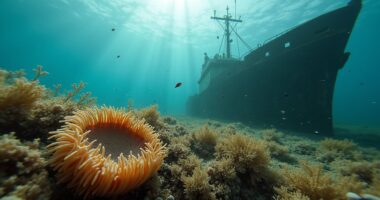
Florida’s coral reefs are facing a crisis, with a staggering 98% reported dead from extreme heat and mass bleaching. At 93°F, the water turned into a sizzling bath, decimating these essential ecosystems. This catastrophic decline threatens not just the colorful fish and marine life but also the local economy that relies on healthy reefs. Restoration efforts are ongoing, featuring clever methods like coral transplants and promoting genetic diversity. Curious about how we can save these underwater wonders?
Quick Overview
- Florida reefs have experienced a staggering 98% coral mortality due to unprecedented heat stress, exacerbating the coral extinction crisis.
- The summer of 2023 marked record-high water temperatures, reaching 93°F, leading to mass coral bleaching across many reefs.
- Staghorn and elkhorn corals, vital to the ecosystem, are now functionally extinct, contributing to the decline of marine biodiversity.
- Urgent conservation efforts are necessary to combat local stressors and improve coral resilience through sustainable practices and marine protected areas.
- Without immediate action, the continued decline of Florida’s reefs threatens the marine ecosystem and the economic benefits they provide.
Florida’s Coral Reefs: The Alarming Decline and Bleaching
As the sun blazed overhead, Florida’s coral reefs faced an unprecedented crisis, a situation so dire that it might make even the most resilient marine biologist weep into their clipboard.
The summer of 2023 marked the worst coral bleaching event on record, as water temperatures soared to a blistering 93°F. This heat wave forced corals to expel their colorful symbiotic algae, turning them ghostly white and starving them. Staghorn and elkhorn corals, once vibrant, are now functionally extinct, with mortality rates reaching a staggering 100%. Meanwhile, other coral species succumbed, leaving nearly 400 reefs in distress and a marine ecosystem gasping for breath. The situation is exacerbated by the extinction vortex phenomenon where low coral populations hinder recovery efforts. As of October 2024, coral mortality rates have reached alarming levels, with reports indicating that nearly 93% of coral reefs in Florida are now dead. Conservationists stress the need for habitat protection and active restoration to help remaining reef fragments recover.
How Can We Restore Coral Ecosystems?
How can we breathe life back into the once-thriving coral ecosystems of Florida’s reefs?
Restoration efforts are diving deep with innovative techniques. Asexual propagation, like micro-fragmentation, cuts corals into tiny squares that grow faster than a teenager’s appetite. Direct transplantation moves healthy corals to degraded areas, while larval enhancement nurtures baby corals in cozy tanks before sending them on their reef adventures. Substrate enhancement uses artificial reefs and mesh to stabilize coral rubble, creating a sturdy home. With advanced methods like Biorock, powered by solar energy, coral growth could soon be the ocean’s comeback story—if only it could avoid the climate villains! Coral outplanting is essential for rebuilding marine habitats and restoring biodiversity, ensuring the future health of these precious ecosystems. Greater genetic diversity among coral populations can also improve resilience against diseases and environmental threats, enhancing the chances of successful restoration efforts. Sustainable ocean practices that balance economic growth with ecosystem health are key to long-term recovery, including sustainable fisheries and eco-friendly tourism.
What Are the Global Impacts of Coral Bleaching?
While coral reefs might seem like underwater paradises, their decline due to bleaching is sending shockwaves through the global ecosystem. This alarming trend affects 84% of the world’s reefs, with mass bleaching spanning 82 countries. As corals lose their vibrant colors and expel essential algae, marine life—one-third of all known species—faces dire risks. Economically, reefs contribute $10 trillion annually, supporting a billion livelihoods. The Great Barrier Reef and Florida’s reefs are in crisis, signaling a future where heatwaves, largely fueled by fossil fuels, threaten coral survival. Without intervention, our oceans might soon resemble ghostly underwater graveyards. The impacts are exacerbated by the fact that live coral cover has halved since the 1950s. Recent events have shown that 99.7 percent of Atlantic tropical reef areas experienced bleaching-level heat stress, highlighting the urgent need for action. Conservation approaches such as sustainable fisheries management and marine protected areas can help reduce local stressors and give reefs a better chance to recover.