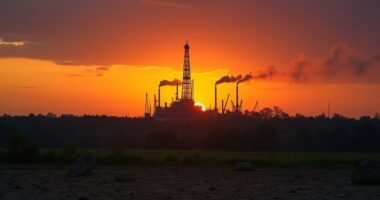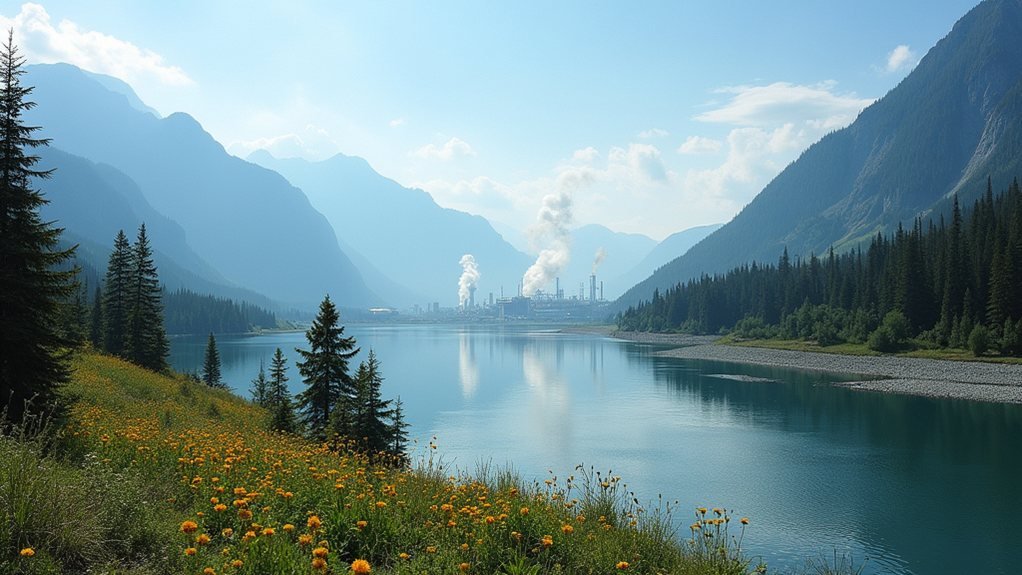

The LNG Canada expansion is causing a stir, like a cat in a room full of rocking chairs. Critics are up in arms about the lack of Indigenous consent—talk about walking on thin ice! Not to mention the environmental impact, which could raise CO2 levels by 20%. The project promises economic gains like a knight’s shining armor, yet risks play the dragon guarding the castle. Stick around as the plot thickens with intriguing details.
Quick Overview
- LNG Canada’s expansion faces opposition for neglecting required Indigenous consent on lands, particularly from Wet’suwet’en Chiefs.
- Emissions from the LNG expansion could increase British Columbia’s CO2 levels by nearly 20%.
- The project could produce around 1,800 million tons of emissions over 40 years.
- Indigenous communities disproportionately bear environmental burdens from industrial projects like LNG expansion.
- Expansion hinders BC’s efforts to reduce emissions and transition to renewable energy systems by 2030.
Assessing Economic Viability and Financial Burden
While the prospect of expanding LNG Canada might seem like the perfect recipe for economic prosperity, it’s worth dissecting the ingredients of this financial stew.
With CAD 3.93 billion public funding whisked in, hefty investments are baking an ambitious project. The Kitimat facility’s CAD 40 billion capital input promises a feast of economic benefits—71,000 jobs and CAD 90 billion in government revenues. However, this dish has its share of questionable spice: infrastructure costs surpass industry norms, whittling at competitiveness. As LNG demand rises like a soufflé, oversupply risks loom large, potentially stranding assets faster than grandma’s forgotten holiday cake. The BC government’s commitment to provide CAD 2.16 billion by 2030 highlights significant provincial investment, underscoring the long-term financial implications for the province. Moreover, the LNG Canada project is projected to boost national GDP by 0.4%, further enhancing its economic viability.
Navigating Indigenous Sovereignty Conflicts
Steering through the tricky waters of Indigenous sovereignty conflicts is much like trying to solve a jigsaw puzzle with pieces borrowed from several different boxes. Canada’s laws, including the UN Declaration on the Rights of Indigenous Peoples, demand free, prior, and informed consent for projects on Indigenous lands. Yet, LNG Canada’s expansion is drifting into controversy, ignoring these requirements like a kid pretending their homework doesn’t exist. The Coastal GasLink pipeline exemplifies this, sidestepping Wet’suwet’en Chiefs’ consent. With the project being designated as a “national interest project,” the federal cabinet has the power to expedite developments, amplifying the concerns over environmental and Indigenous rights. The puzzle? Making massive projects go smoothly without reducing opportunities for Indigenous dialogue — because consent isn’t the suggestion box at work, it’s mandatory. Indigenous communities near industrial projects often bear a disproportionate share of environmental burdens while receiving fewer of the corresponding benefits that such developments promise. Amnesty International emphasizes the violation of the community’s right to self-determination in the context of these developments.
Emissions and Environmental Costs of LNG Expansion
Let’s dissect the juicy mess that is the emissions and environmental costs of the LNG expansion in Canada. Picture British Columbia puffing up like a balloon as its CO2 levels swell by just under 20% from LNG expansions. Methane leaks dance through the system, racking up 2 million tons of CO2e—despite regulatory nannies trying to keep them in check. Over 40 years, we’re talking about 1,800 million tons of emissions crashing the net-zero party. The potential total production capacity of these facilities is approximately 50 million tonnes per year. Globally, LNG is the life of the fossil fuel bash, potentially slowing renewables. Transitioning away from fossil fuel infrastructure toward renewable energy systems across economic sectors remains one of the most effective strategies for meaningfully cutting carbon emissions. Meanwhile, BC aims to slim down emissions by 21 MT by 2030. The LNG Canada project, led by Shell and its partners, represents a significant investment in fossil fuel infrastructure with long-term economic and environmental implications.