
In a plot twist worthy of prime-time drama, the London High Court threw the gavel at BHP for the 2019 Brazil dam disaster. Imagine this: a peaceful day in Brumadinho turned into a toxic wave of sludge, tragically sweeping away lives. The court pegged BHP as a “polluter,” revealing a new chapter in global corporate responsibility. This decision is more than courtroom drama; it’s a global nudge towards corporate accountability. Stick around for the unfolding saga!
Quick Overview
- The London High Court held BHP liable under Brazilian law for negligence in managing the dam, emphasizing corporate accountability.
- Over 700,000 claims were allowed to proceed, illustrating the extensive liability BHP faces for the dam disaster.
- This landmark UK judgment represents a significant step toward justice and compensation for the victims.
- The case sets a precedent for UK parent companies’ liability regarding overseas subsidiary actions.
- BHP’s legal battles and appeals highlight the ongoing debate about multinational corporate responsibility and global operational oversight.
The Background of the Brazil Dam Disaster: What Went Wrong?
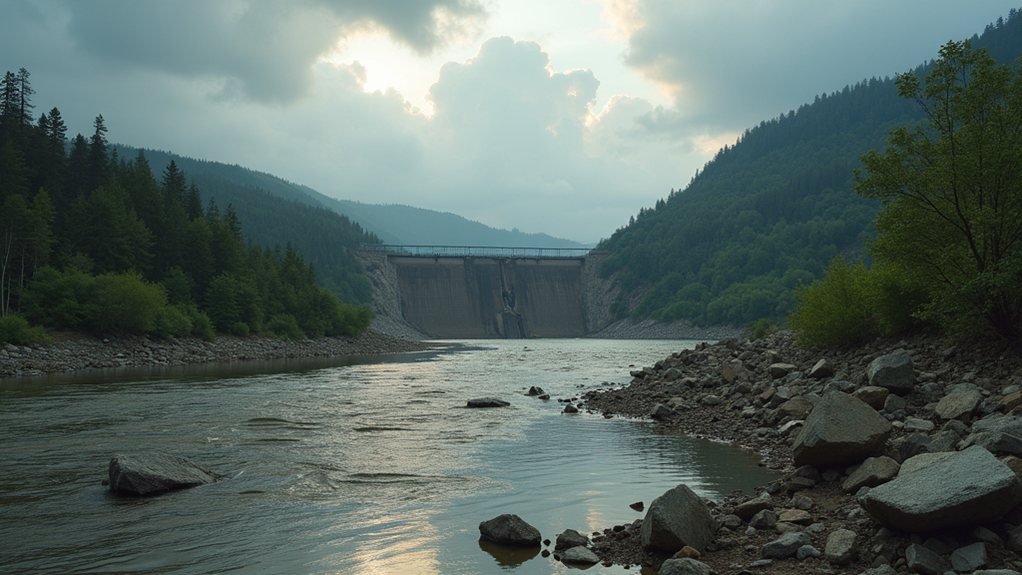
Although the Córrego do Feijão tailings dam collapse might sound like a plot from a disaster movie, the tragic reality was all too real, affecting lives and landscapes alike.
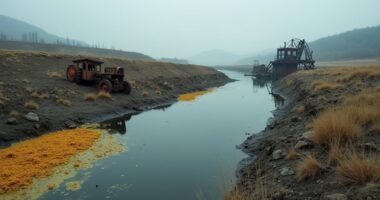
On January 25, 2019, Vale’s tailings dam near Brumadinho, Brazil, released a torrent of toxic sludge—10 million cubic meters worth—downstream. The hefty aftermath was grim: 272 lives lost, countless homes obliterated, and rivers poisoned. Static liquefaction was the villain here, where iron-rich particles, behaving like a brittle concrete, gave way unexpectedly. Picture a game of Jenga—too much rain, poor drainage, and boom! Nature’s already risky game turned deadly serious. Despite employing inclinometers, ground-based radar, and piezometers for stability monitoring, these systems failed to detect significant changes prior to the incident, resulting in an unexpected catastrophe. Reports indicated that environmental reports highlighted long-term impacts on marine fauna, mirroring concerns similar to those after the Mariana disaster.
The disaster’s consequences extended well beyond the immediate devastation, as assessments of the product lifecycle impacts of iron ore mining revealed cascading environmental damage spanning extraction, processing, and waste management stages.
Understanding the High Court’s Decision on BHP’s Liability
Picture a legal showdown: the High Court in London holding BHP’s actions under a magnifying glass after the infamous Brazil dam disaster. The ruling found BHP a “polluter” under Brazilian law, firmly sealing their blame with strict and fault liability due to negligence in dam management. BHP, despite its shareholder chorus, couldn’t hide behind corporate law—their direct influence over Samarco outmaneuvered typical protections. Think of it like BHP choreographing a dance they then claimed to just watch. A legal twist? Yes! Yet, the court’s keen eye dismissed any tapped dance moves of innocence BHP might’ve attempted. The court not only addressed BHP’s negligence but also allowed over 700,000 claims to proceed, emphasizing the scope of their liability. With BHP found liable under Brazilian environmental law and the Brazilian Civil Code, this case underscores the importance of accountability for multinational corporations operating abroad. The disaster’s environmental destruction serves as a stark reminder of why sustainable forest management practices and responsible resource extraction are critical safeguards against irreversible ecological damage.
Future Implications for Victims and Corporate Accountability
As the saga of the Brazil dam disaster unfolds, the future implications for the victims and corporate accountability take center stage. Picture a legal marathon where victims hope to finally grab the baton of justice after a grueling 13-14 year race. With trials ahead, they could unravel a tapestry valuing up to £36 billion, aiming for clearer skies amid lingering compensation clouds. The landmark judgment in London’s High Court highlights the monumental nature of cross-border litigation in holding multinational corporations accountable. This case marks the first instance of a UK-domiciled parent company being held liable for the actions of an overseas subsidiary, signaling a notable shift in corporate responsibility. For corporations, this ruling is like an alarm clock, singing a tune that escapes boundaries and boardrooms – you can’t just snooze on global accountability. Beyond legal consequences, cases like this push corporations to examine how their operations align with UN Sustainable Development Goals, ensuring that environmental and social responsibilities are embedded into their core business strategies. BHP’s appeals add a plot twist, keeping everyone on edge until the final sprint.