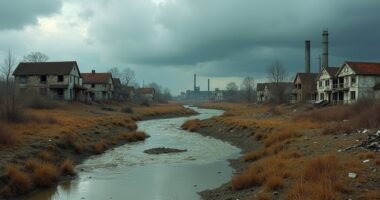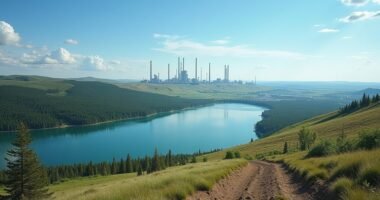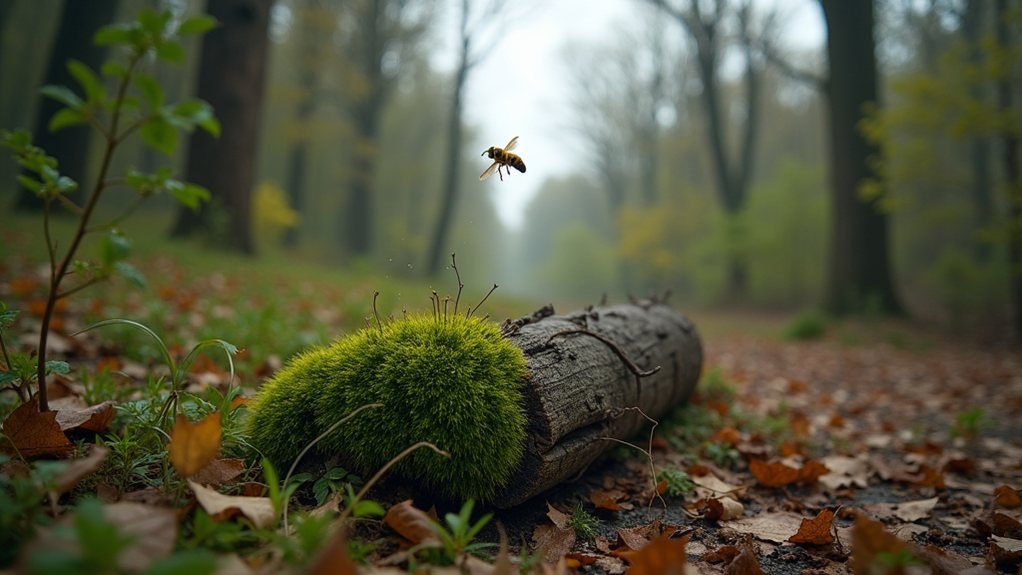

The UK is grappling with a troubling link between biodiversity loss and national security, a connection recently spotlighted in a suppressed intelligence report. This report details how declining wildlife could lead to food shortages and geopolitical tensions, raising alarms that echo through society. Strangely, the government decided to muffle the document’s release, likely fearing public panic. Without action, the echoes of collapsed ecosystems might soon become a reality, setting the stage for a crisis that begs urgent attention. Curious about the specifics?
Quick Overview
- A report linking biodiversity loss to national security risks faced suppression due to fears of public outcry over ecological threats.
- High-level government intervention blocked the official launch of the urgent biodiversity report, downplaying the severity of the crisis.
- The report highlighted the potential for multiple ecosystem collapses, no longer hypothetical but increasingly likely, impacting governance and economic stability.
- Urgent action is needed to protect ecosystems, with recommendations to safeguard pollinators and increase protected areas from 3% and 9.5% to 30% by 2030.
- Funding and coordinated efforts for ecosystem restoration are essential to prevent significant species extinction and ensure a stable environment for society.
Key Findings Connect Biodiversity Loss to National Security
In an age where nature seems to be waving a white flag, the latest UK Biodiversity Loss Report delivers a sobering wake-up call, blending ecological reality with national security concerns like a slightly unsettling smoothie.
This report boldly recasts biodiversity loss from mere environmental drama into a critical national security plot twist, revealing risks like food shortages and geopolitical tensions. With average wildlife populations plummeting and key ecosystems teetering on collapse, the message is clear: nature’s failing health is everyone’s problem. The high confidence in the threat posed by ongoing biodiversity loss underscores the urgent need for comprehensive action to prevent cascading risks that could destabilize societies. The assessment identifies 6 ecosystems of strategic importance to the UK, highlighting the multifaceted impacts of their decline.
The interlinked threats could trigger chaos, straining governance and economies alike, proving that Mother Nature should be treated as essential infrastructure. Strengthening resilience through habitat protection and restoration can reduce systemic risks.
Unveiling the Reasons for Report Suppression
The government hesitated, fearing a public outcry over ecosystem collapse would flood them with demands for action. High-level intervention—Blocking the report’s launch—suggests a classic case of “don’t scare the villagers.” This framing obscures how biodiversity loss threatens planetary health ecosystem services. Instead of clear communication, a thinly veiled document appeared online, like a magician’s trick. This indicates a deliberate strategy to downplay urgent ecological threats, all while the clock ticks ominously on environmental stability. Despite this, the report acknowledges that multiple ecosystem collapses are now likely, rather than hypothetical, underscoring the urgency for action. In addition, the report warns of climate-driven ecosystem collapse, leading to dire consequences for national security.
What We Need to Do About UK Biodiversity Now
Tackling the UK’s biodiversity crisis calls for a bold, multifaceted approach that turns the tide for nature. Protecting pollinators is essential for resilient food systems and natural ecosystems pollinator decline. To truly make waves, the nation must protect 30% of its land and ocean by 2030—currently, just 3% of land and 9.5% of seas are safeguarded. Imagine rewilding grazed lands, fostering nature-friendly farming, and restoring precious peatlands and seagrass beds. Meanwhile, cutting pesticides and reforming harmful subsidies will help slow ongoing biodiversity loss declines. The alarming fact that one in six species studied is at risk of extinction highlights the urgent need for these changes. With the right funding and coordinated efforts, the UK can cultivate a flourishing ecosystem—because, let’s face it, a healthy planet is like a well-tended garden: it thrives best when cared for!