
As tensions in the Middle East rise, oil prices are spiking, causing a ripple effect across Canada. With households feeling the pinch of surging heating bills and transportation costs, the economic landscape looks shaky. Alberta may see a boost from oil royalties, but national costs are forecasted to soar as inflation creeps toward 3%. As Canadians navigate this financial maze, solutions like the upcoming Canada Carbon Rebate in 2026 could offer a lifeline. What’s next for the economy?
Quick Overview
- Rising oil prices due to Middle East tensions could significantly strain Canadian household budgets in March 2026.
- Increased costs in heating and transportation are expected as oil prices rise, impacting family expenses nationwide.
- Canadians may benefit from the $456 Canada Carbon Rebate aimed at alleviating financial pressures from soaring energy costs.
- Economic mixed outcomes are anticipated, with Alberta likely gaining from higher oil royalties, while national costs will increase.
- Sustainable practices, including energy efficiency and lifestyle adjustments, are critical for Canadians to mitigate escalating oil-related costs.
How Oil Prices Rise Amid Iran Conflict
As tensions flare in the Middle East, it seems oil prices are having a dramatic episode worthy of a blockbuster movie.
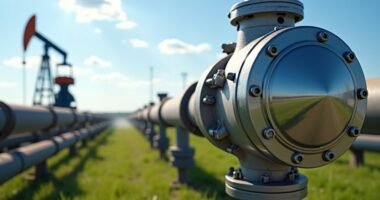
Brent crude skyrocketed, jumping nearly $13 in a week, spurred by eerie threats from the Iranian Revolutionary Guard. With the Strait of Hormuz—a vital waterway for 20 million barrels of crude daily—under threat, shipowners now face a dizzying insurance dance.
Attack on oil infrastructure has oil traders sweating bullets, stoking fears of reaching $200 a barrel! No wonder they’re demanding hefty premiums as geopolitical chaos keeps them on their toes, wondering how high the prices will go next. Beyond energy markets, consumers may find some relief as manufacturers increasingly adopt safer chemical ingredients in household products, reducing long-term health costs even as fuel expenses climb.
Impact of Rising Oil Prices on Canadian Households and Solutions
Rising oil prices don’t just impact the stock market; they hit Canadian households right in the pocketbook.
With heating bills and transportation costs surging, families feel the squeeze. In regions like Alberta and Saskatchewan, where electricity rates are higher, the pinch is particularly sharp.
Thankfully, the $456 Canada Carbon Rebate scheduled for March 2026 aims to alleviate some financial strain. As a sweet little bonus, Ontario’s time-of-use plans can help savvy consumers save.
Emphasizing electrification, Canada explores energy efficiency strategies to weather these oil-based storms.
Canadians can also take steps to reduce their carbon footprint through changes in transportation, home energy use, diet, and consumption habits.
Ultimately, households must adapt to retain their fiscal footing amidst fluctuating prices.
Projecting Canada’s Economic Future With High Oil Costs
How might Canada steer its economic future amidst the uncertainty of soaring oil prices? The country may find itself on a rollercoaster of mixed economic outcomes, balancing gains in the oil and gas sector while steering rising consumer costs.
For instance, Alberta could see windfalls from royalties, yet households nationwide will feel the pinch at the pump. A $100/bbl WTI could nudge inflation close to 3%, prompting the Bank of Canada to maintain steady rates.
Still, with the possibility of increased GDP growth, it seems Canada’s energy sector could be both hero and villain in this high-stakes drama. As Canadians navigate these economic pressures, adopting sustainable food practices could help households reduce costs and environmental impact during periods of economic volatility.