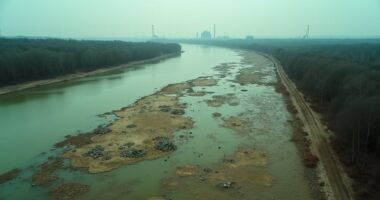

Canada’s $420 million investment in the Great Lakes is a game-changer for one of North America’s largest freshwater sources. This funding aims to combat threats like toxic algae and invasive species, while also improving water quality and habitat restoration. Projects ranging from plastic cleanup initiatives to invasive species management highlight a commitment to ecological health. For communities around the lakes, clean water access is essential. Curious about the specifics of these projects and their impact? There’s more to explore!
Quick Overview
- Canada is investing $420 million in March 2026 to rejuvenate the Great Lakes as part of a 10-year protection plan.
- The funding aims to combat rising threats like toxic algae and invasive species in freshwater ecosystems.
- Key projects include water quality restoration, plastic cleanup initiatives, and invasive species management to support healthy aquatic environments.
- Collaborative efforts involve regional coalitions and partnerships focused on clean drinking water access and pollution monitoring.
- This investment highlights a commitment to the long-term ecological health and sustainability of the Great Lakes, crucial for 40 million people.
Why Canada’s $420 Million Investment in the Great Lakes Is a Big Deal
In a remarkable display of foresight and commitment, Canada has revealed a $420 million investment aimed at rejuvenating the Great Lakes, which just happen to hold 84% of North America’s surface freshwater—yes, that’s right, a staggering amount of our liquid gold.
This funding, part of a hefty 10-year plan, underscores the lakes’ essential role as a drinking source for 40 million people and their immense economic impact of $890 billion.
With rising threats like toxic algae and invasive species, this investment serves not just as a financial boon but a much-needed lifeline for these precious aquatic ecosystems—nature’s very own treasure chest.
Protecting these waters requires implementing sustainable fisheries practices and comprehensive marine conservation strategies to ensure long-term ecological health.
Key Projects Supporting Freshwater Goals
While many may take for granted the sparkling waters of the Great Lakes, a look beneath the surface reveals dedicated efforts aimed at improving and protecting this essential resource.
Key projects include the Areas of Concern Restoration, targeting water quality with habitat restoration and pollution control. The 2026 Great Lakes Plastic Cleanup, partnering innovative technologies with community involvement, tackles plastic debris.
Additionally, water infrastructure improvements guarantee access to clean drinking water, especially for disadvantaged communities.
Finally, invasive species management and pollution monitoring science initiatives work tirelessly to preserve aquatic ecosystems. These efforts recognize that protecting watersheds is essential for maintaining clean water supplies and healthy aquatic ecosystems throughout the Great Lakes basin. Together, these projects embody a commitment to freshwater health and sustainability.
Collaborative Efforts in Great Lakes Restoration
Great Lakes restoration isn’t just a solo endeavor; it’s a symphony performed by a diverse orchestra of organizations, agencies, and communities, all harmonizing for a common goal.
Regional coalitions have united to push for a hefty $500 million for the Great Lakes Restoration Initiative in 2027. Their focus? Tackling pesky problems like PFAS and microplastics while ensuring clean drinking water for all.
Agencies, such as the NRCS and U.S. Fish and Wildlife Service, join forces in this green crusade, showcasing that teamwork does indeed make the dream work—especially when working hard to preserve the largest freshwater ecosystem on the planet. Before any major restoration project moves forward, thorough environmental impact assessments help ensure proposed initiatives will benefit rather than harm these critical watersheds.