Record-breaking low snowpack levels in British Columbia have everyone on edge. These levels raise serious alarms about the province’s water supply, potentially endangering agriculture, aquatic ecosystems, and even hydroelectric power generation—which runs like a well-oiled machine in good conditions. With snow levels dipping, the consequences stretch from parched fields to stressed rivers. But worry not! Exciting solutions are on the horizon. Curious about how B.C. plans to tackle these pressing water issues?
Quick Overview
- British Columbia’s snowpack levels are currently 39% below normal in several regions, raising concerns for future water supply.
- Dwindling snowpack threatens agriculture and drinking water availability, particularly in Upper Columbia and Kootenay regions.
- Earlier snowmelt is predicted to impact summer water availability for hydroelectric power generation.
- Environmental health is jeopardized as low snowpack leads to stressed aquatic ecosystems and wetlands.
- Collaborative management strategies, including water sustainability plans, are essential to address water supply challenges.
Overview of B.C.’s Above-Normal Snowpack Levels and Their Implications
While many might think of snow merely as a winter inconvenience—slipping on icy sidewalks or shoveling driveways—the recent surge in British Columbia’s snowpack levels is actually a cause for celebration among environmentalists and winter sports enthusiasts alike.
With levels at 107 percent of normal, a 20 percent jump from last year, this winter has proven to be exceptional. Regions like the Central Coast and Peace River are basking in snow that exceeds typical levels, while others like Vancouver Island and the South Coast lag behind. This impressive accumulation, driven by early storms, signals a promising season for skiing, snowboarding, and environmental health. Protecting watersheds helps ensure these reserves support clean water and healthy aquatic ecosystems. Furthermore, deeper snowpacks can enhance water reserves for spring and summer. The provincial snowpack is currently at 107% of normal as of Jan. 1, 2026, indicating strong winter conditions.
Impact of Snowpack Levels on Water Supply
As British Columbia grapples with historically low snowpack levels, the repercussions are unfolding like a suspenseful thriller where the hero is the region’s water supply. This highlights the need for water conservation strategies and sustainable management to protect supplies.
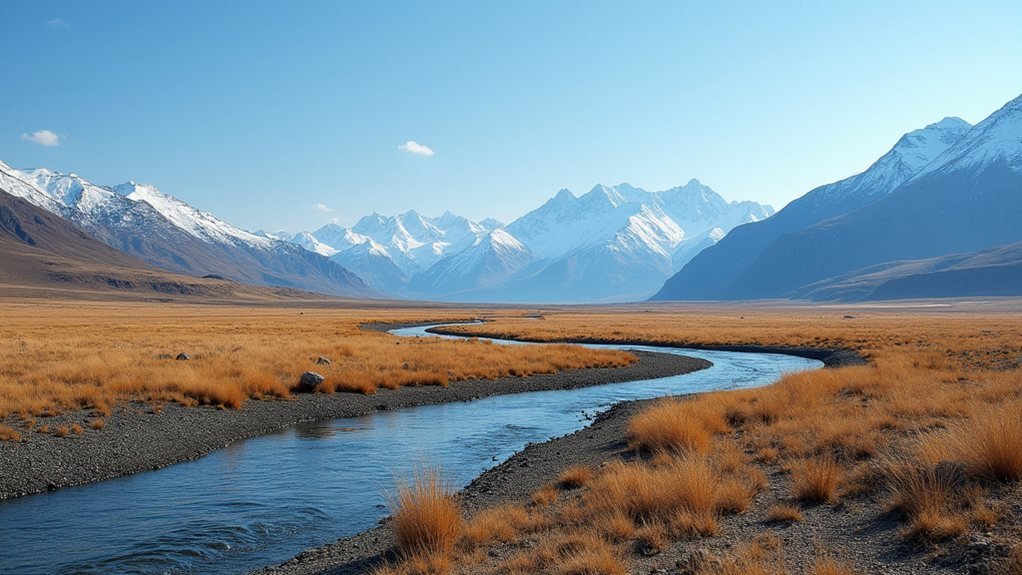
With snowpack averages plummeting to 39% below normal, the implications are dire. Communities may face dwindling stream flows, risking agriculture and drinking water. The current snowpack levels in Upper Columbia, West Kootenay, and East Kootenay regions are 30%, 33%, and 37% below normal, respectively. This situation is compounded by the fact that the B.C. snowpack is 39% below normal as of February 1.
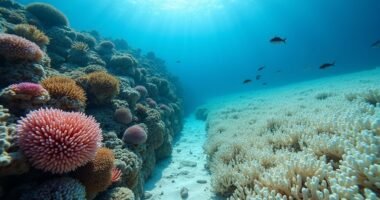
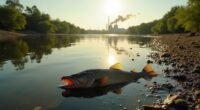
The 2023 drought already showcased low river levels, leaving wetlands gasping for moisture.
And while hydroelectric power generation hangs in the balance, climate models warn of earlier snowmelt impacting summer water availability.
Without a snowy savior, British Columbia’s water supply story teeters on the edge of a cliff, awaiting a twist of fate.
How We Can Tackle Water Supply Issues in B.C.?
How can British Columbia effectively tackle the pressing water supply issues that loom like dark clouds over its communities? Integrating rain gardens and urban forests into city landscapes can reduce stormwater runoff and improve local water resilience.
Implementing Water Sustainability Plans could be a game-changer, addressing everything from user conflicts to ecosystem restoration. Water Use Planning protects aquatic ecosystems and fish stocks at water control structures, ensuring that the health of our waterways is prioritized as we manage demand.
The Water Demand Management Strategy aims for a 15% reduction in per capita use by 2030—essentially asking residents to conserve water like it’s the hottest new trend.
Meanwhile, pricing reforms can encourage conservation by reflecting water’s true value.
Collaborating with Indigenous nations and using innovative mapping tools will guide sound decisions.
With these strategies, B.C. can transform water woes into a blueprint for sustainable management, like turning lemons into lemonade.