
Microsoft has struck an exciting deal with Exomad Green to offset 1.24 million tonnes of CO2 emissions in the next decade through innovative biochar projects in Bolivia. This technique transforms crop waste and woody debris into a charcoal-like substance that locks up carbon in the soil for centuries—it’s like Mother Nature’s own carbon bank! With a digital system ensuring accuracy, this agreement highlights a significant step toward offsetting emissions from tech giants. Intrigued? There’s more to the story!
Microsoft’s Historic Biochar Carbon Removal Agreement
In a groundbreaking move for environmental sustainability, Microsoft has struck the largest biochar carbon removal agreement in history, setting the stage for a new era in climate action. This monumental deal, forged with the Bolivia-based climate technology firm Exomad Green, aims to remove at least 1.24 million tonnes of carbon dioxide over the next decade. Talk about making a splash in the carbon removal pool!
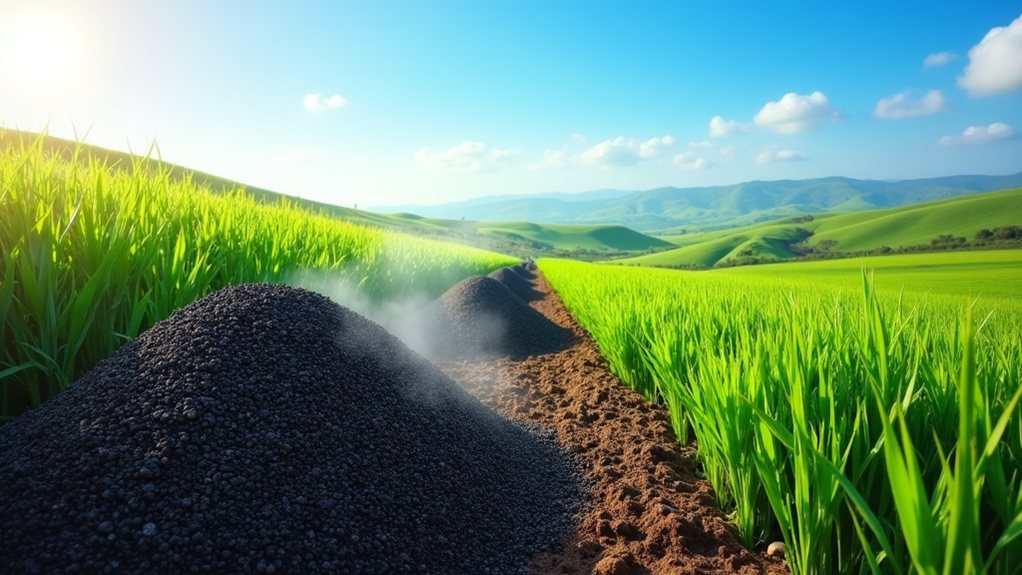
Biochar, the star of this show, is produced by turning crop waste and woody debris into a charcoal-like substance that can be stored in the soil for centuries. It’s like nature’s way of giving carbon the ultimate timeout. Not only does biochar sequester carbon, but it also enhances soil fertility, improves water retention, and fosters microbial health. So, it’s a win-win for both the environment and farmers—who could use a little extra help on their not-so-great farmland in Bolivia. This agreement ensures stable project financing and durable climate impact through a structured roadmap.
This agreement is crucial for Microsoft as the tech giant seeks to achieve negative carbon emissions by 2030. With the rise of AI and data centers, their emissions are growing, so they need robust carbon removal strategies. This innovative approach complements other carbon storage methods like forest management that help reduce atmospheric CO2 levels. In fact, Microsoft accounted for a whopping 63% of all carbon dioxide removal purchases in 2024. Yes, they’re not just playing in the carbon game; they’re dominating it!
Microsoft is on a mission to achieve negative carbon emissions by 2030, making this agreement pivotal for their sustainability journey.
The digital Monitoring, Reporting, and Verification (dMRV) system from Carbonfuture guarantees that every tonne of carbon removed is tracked with the precision of a hawk eyeing its prey. This guarantees transparency and accountability, making biochar a credible contender in the carbon removal arena. Additionally, this partnership provides confidence for Exomad Green to scale their operations and further contribute to carbon removal efforts.
With this landmark agreement, Microsoft is not just paving the way for its sustainability goals; it’s setting a precedent for future large-scale biochar projects. As the world watches, it’s clear that biochar is ready to move from niche to mainstream, all while helping our planet breathe a little easier.