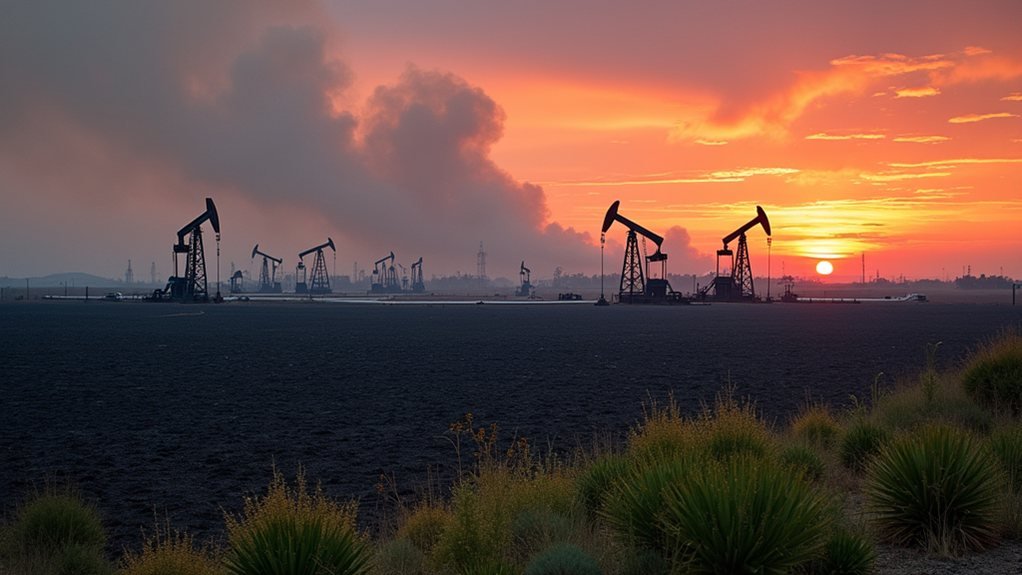
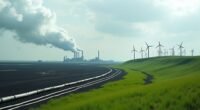
Wildfire risks and climate impacts are turning up the scorch meter on western oil infrastructure. Imagine oil wells as reluctant cast members in climate change‘s action-packed drama. With climate change doubling forest fires, these oil wells are gasping for safety. Poorly-plugged wells and stubborn vegetation create pathways for sneaky leaks and pollution capers. Ah, oil safety – it’s like playing chess with wildfire. Want to know how this threatening game can be managed? Hang tight.
Quick Overview
- Over 100,000 oil wells are endangered by wildfires exacerbated by climate change in Western regions.
- Poorly-plugged wells pose explosion and pollution risks due to neglected infrastructure near high wildfire zones.
- Climate change has nearly doubled forest fires, intensifying risks to Western oil infrastructure stability.
- Major fossil fuel companies have contributed to 37% of wildfire-scorched areas since 1986, increasing oil infrastructure threats.
- Effective emergency plans and vegetation management around oil wells are crucial for mitigating wildfire risks.
Overview of Wildfire Impacts on Western Oil Wells
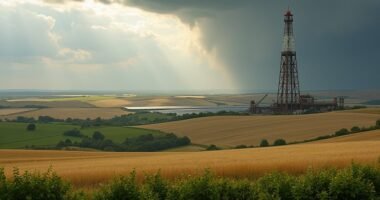
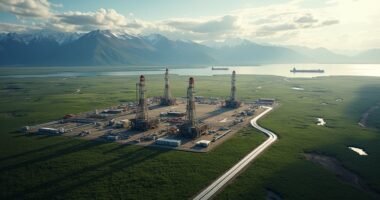
While wildfire threats might seem to primarily concern forests, these fiery infernos have another less obvious target—oil wells scattered throughout the western United States.
With over 100,000 wells singed by past blazes, including the 2006 East Amarillo Complex Fire’s torching of 3,845 wells, the damage is alarming. California stands in the wildfire’s crosshairs, with 87% of its wells in high-risk zones. Furthermore, 1.6 million people live within 1km of these wells, increasing the overall potential for significant health risks due to emissions from idle or active wells in proximity to wildfires. Public health effects from wildfires impacting oil and gas facilities remain unclear, highlighting the urgent need for comprehensive studies to understand the risks.
Like unattended campfires, poorly-plugged wells invite more danger, creating pathways for oil and gas escape, and fiery mischief. Nearly 3 million residents sit uncomfortably close to these ticking time-bombs, facing explosions and pollution’s unsavory appetizers. Businesses operating in these regions must proactively assess their exposure by implementing a structured climate risk evaluation framework to identify vulnerabilities before disaster strikes.
Safety measures lag alarmingly.
Climate Change: A Driving Force
When it comes to climate change, it’s not just a gloomy forecast on repeat; it’s the relentless weatherman that just won’t quit. The warming temperatures are nudging fuel aridity, making the comfy forest duo, trees and brush, akin to brittle kindling—what an awkward transformation indeed. Anthropogenic meddling, i.e., human-driven climate change, is responsible for nearly doubling forest fires in the West. It’s as if someone threw a fire-themed party and didn’t bother with cleanup. Elevated vapor pressure deficit plays its part too, hence the atmosphere’s insatiable thirst for moisture. It’s this relentless dryness escalating forest flammability to peak levels. Major fossil fuel companies are linked to 37% of the total area scorched by wildfires in the western U.S. since 1986. The historical connection between emissions and wildfire intensification underscores the importance of holding industry accountable for its role in environmental damage. Meanwhile, the aviation sector is increasingly turning to sustainable aviation fuel as a lower-carbon alternative to conventional jet fuel, signaling a broader industry shift toward reducing emissions that contribute to these escalating climate impacts.
Mitigating Risks and Solutions
Addressing wildfire risks requires more than just keeping a watchful eye like an anxious parent at a teenage sleepover. Imagine oil infrastructure as an ongoing science project; it involves tools like the North Dakota Rangeland Fire Danger Index to assess risk. Think of pad layouts as protective bunkers—mowing the perimeter and maintaining vegetation like an art. Electric cooperatives have been implementing strategies to enhance safety and vegetation management, crucial to preventing wildfires and ensuring infrastructure safety. Flare systems are the high-wire act here, balancing flare height against vegetation like a tightrope walker. Meanwhile, trusty automated choke valves are ready to step in like superhero sidekicks. Emergency plans are playbooks, ensuring firefighting tactics are sharper than a chef’s best knife. Regulatory compliance demands strict adherence, requiring operators to maintain a specified distance between combustibles and equipment to minimize fire hazards. Just as sustainable water management practices help communities adapt to resource scarcity, adopting proactive conservation and risk-reduction strategies can help oil infrastructure operators better prepare for the compounding challenges posed by climate change.