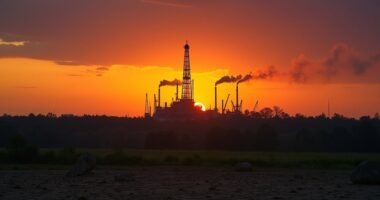
Oil companies are bracing for a storm of landmark environmental lawsuits, all while crude oil prices bob around like a cork in choppy waters. States are taking aim, pushing for accountability over the fossil fuel industry’s role in climate change. With potential billions in damages at stake, these cases could shift the financial burden onto oil giants. As the legal landscape evolves, interesting twists in corporate responsibility are on the horizon—stay tuned for more surprising developments!
Oil Companies Face Rising Legal Challenges
As oil companies gear up for a potential legal showdown, they find themselves maneuvering a landscape increasingly littered with lawsuits aimed at holding them accountable for their environmental impact. With hundreds of lawsuits being launched globally, these firms are facing scrutiny like never before. States like California and Rhode Island are stepping up to the plate, accusing major oil players of decades of deception and environmental harm.
Imagine a game of dodgeball, but the balls are climate-related lawsuits, and every throw could mean billions in damages.
The core of these legal claims revolves around the undeniable role fossil fuel companies have played in exacerbating climate change. For decades, they’ve pumped billions of tons of CO2 into the atmosphere, contributing to rising sea levels and wildfires. Advocacy groups are now demanding that these companies take responsibility, shifting the financial burden of climate disasters back onto them.
Fossil fuel companies face mounting pressure to own up to their climate impact and cover the costs of disasters they helped create.
It’s like saying, “Hey, you broke it; you fix it!”
These lawsuits also target the practice known as greenwashing—when companies tout their products as “clean” or “low emissions” while their realities tell a different story. Picture a fast-food joint claiming to serve healthy meals while deep-frying everything in sight. Consumers are increasingly learning to identify misleading environmental claims by looking beyond marketing slogans to verify actual sustainability practices. Some courts have dismissed these claims, arguing there isn’t enough evidence of consumer deception. However, recent lawsuits reflect the growing trend of over 86 climate cases against fossil fuel producers since 2015.
California’s lawsuit argues that oil companies’ portrayals of themselves as eco-friendly are as misleading as a magician’s trick. In a similar vein, the legal challenges against Trump’s rollback of federal ocean protections further illustrate the growing demand for accountability among those impacting our environment.
If successful, these lawsuits could lead to significant financial penalties and push oil companies to reveal their climate risks transparently. Imagine a world where companies are held accountable for their actions, investing in renewable energy instead of just talking about it.
While industry-backed groups argue that these lawsuits threaten economic stability, the tide of public opinion seems to be shifting. The outcomes of these landmark cases could very well set the stage for a new era of corporate accountability in environmental law.