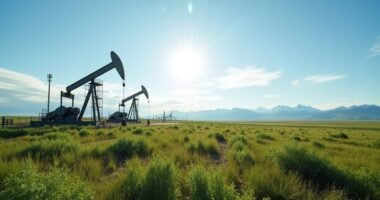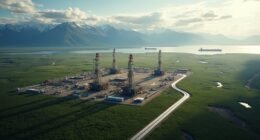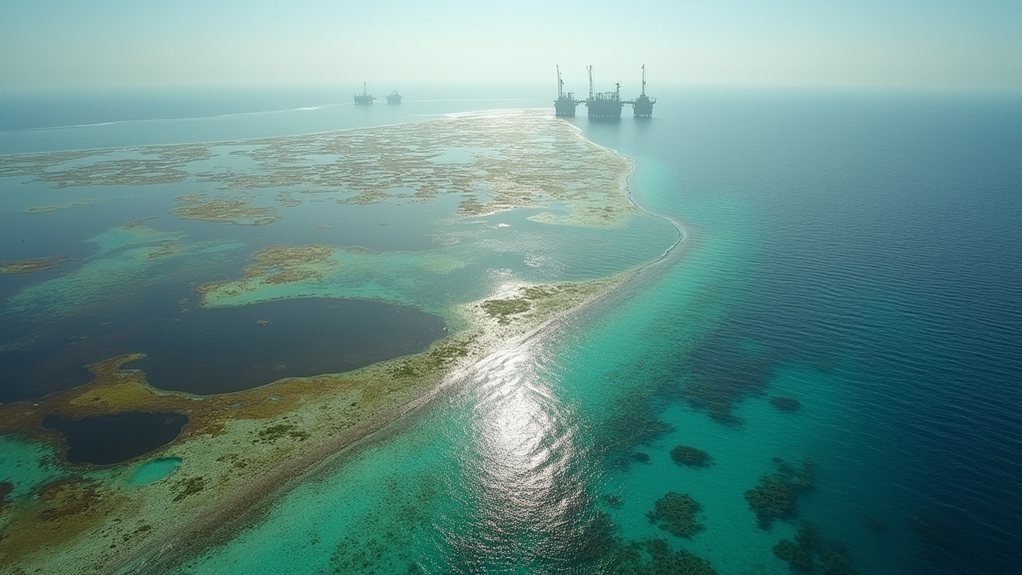
The UK’s oil drilling in protected seas is like trying to solve a jigsaw puzzle with missing pieces. New licenses directly clash with conservation goals, leading to spills that devastate marine life. These incidents harm coral reefs and threaten essential ecosystems, creating a long-term ecological mess. It’s a classic case of needing a lifeguard while diving into shark-infested waters. But there’s more to this complicated issue that paints an even clearer picture of the stakes involved.
Quick Overview
- The UK government issued 120 drilling permits, undermining marine conservation goals in protected areas.
- Oil spills in marine sanctuaries have drastic effects on fish populations and entire food chains.
- Seismic blasting and oil rig infrastructure create noise pollution and destroy biodiverse habitats, hindering recovery efforts.
- Long-lasting toxins from oil drilling disrupt coastal ecosystems, causing chronic health issues for marine life.
- The contradiction between oil exploration and habitat protection poses significant challenges for achieving sustainability in marine conservation.
Urgent Environmental Impacts of Oil Drilling in Protected Seas
What happens when the quest for oil meets the delicate dance of marine life in protected seas? Chaos, it seems.
Last year, over 89,000 kilograms of oil and chemicals spilled into the North Sea, with 78 incidents occurring in marine sanctuaries. These spills don’t just make the water murky; they unravel entire food chains, leaving fish populations in peril. Additionally, the UK has been labeled the ‘worst offender’ for allowing fossil fuel drilling in marine protected areas. The chronic oil spills not only harm immediate marine life but also threaten the health of the entire ecosystem. Effective conservation depends on habitat protection to maintain species diversity and ecosystem function.
Noise pollution from seismic blasting? It’s like hosting a rock concert in a library—marine life simply can’t thrive.
Meanwhile, oil rigs and infrastructure bulldoze biodiverse habitats, making recovery seem like a dream as elusive as a porpoise in a tuxedo.
New Licences vs. Conservation Goals
While the UK government seems to be on a mission to extract every last drop of oil from the North Sea, it raises a pertinent question: can new drilling licenses coexist with the country’s conservation goals?
With 120 permits, including 64 new licenses, encroaching on protected areas, the situation looks murky. Marine protection strategies must be integrated into licensing decisions to avoid long-term damage.
Shell and TotalEnergies lead the charge, despite the risks posed by spills that have plagued marine protected areas. Oil and gas licenses in a quarter of World Heritage sites highlight the conflicting interests at play. Over half of the oil accidentally spilled in UK waters reached MPAs underscores the potential impact on these vulnerable ecosystems.
The contradiction is striking; while aiming to protect habitats, the government simultaneously opens the floodgates for oil exploration.
The government’s push for oil exploration starkly contrasts its commitment to habitat protection.
It’s like trying to host a dinner party while serving up takeout pizza—sustainability and profit don’t always mix.
Long-Term Effects of Oil Drilling on Marine Biodiversity
As the sun sets over the vast expanse of the ocean, one might think that the waves hold secrets of resilience and harmony; however, lurking beneath the surface is a stark reality: oil drilling has long-term effects that ripple through marine biodiversity.
Oil smothers coral reefs, impairing their ability to thrive, while seagrass meadows, essential for sea turtles and fish, experience large-scale die-offs. Additionally, oil persists in sediment for years, poisoning vegetation and disrupting entire food webs in coastal habitats. The importance of marine ecosystems cannot be overstated, as they regulate climate and are vital for future generations.
Marine mammals suffer chronic health issues, and apex predators like killer whales face population declines. Conservation of ecosystem services is crucial to safeguard these functions for people and wildlife.
Recovery? A challenging process, often taking decades, as nature grapples with toxins that linger like unwanted party guests—far too long after the celebrations end.