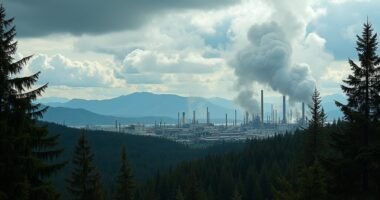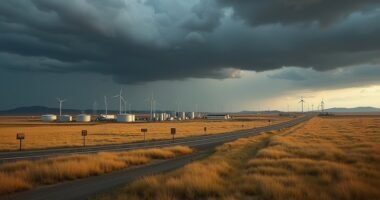

The ongoing conflict in Iran is causing a real energy shake-up in the UK, sending gas prices through the roof. As conflicts disrupt crucial supply routes like the Strait of Hormuz, households brace for rising energy bills — some forecasted to increase by 10% this July! With government strategies aimed at cushioning the blow, moving to renewable energies is no longer just a nice idea; it’s a necessity. Curious about how this all unfolds? There’s more to explore!
Quick Overview
- The ongoing Iran conflict is likely to cause significant disruptions to gas supply through the Strait of Hormuz, impacting UK energy security.
- UK vulnerability increases due to heavy reliance on imported liquefied natural gas (LNG), exacerbated by geopolitical tensions.
- Government strategies aim to mitigate rising fuel costs for households, including discounts and potential removal of environmental levies from bills.
- The energy crisis highlights the urgent need for transitioning to renewable energy sources to stabilize costs and enhance security.
- Price shocks may remain unpredictable, necessitating strategic readiness and ongoing assessment of geopolitical risks on energy supply stability.
How the Iran Conflict Is Raising Your Gas Prices
How exactly does the turmoil in Iran send your gas prices soaring? When conflict ignites in the Middle East, like a popcorn kernel in hot oil, prices can jump fast.
Israel and the US strikes on Iran have curbed oil supply through the Strait of Hormuz, a critical artery where 20% of the world’s oil flows.
Consequently, UK wholesale energy prices climbed 50% as oil prices surged 20%. Fixed tariffs have already risen about £200, and forecasts predict household bills could rise by 10% in July.
Beyond immediate price shocks, the crisis underscores the urgent need for reducing carbon emissions through diversified energy systems that reduce dependence on volatile fossil fuel markets.
What Geopolitical Tensions Mean for UK Energy Security?
Geopolitical tensions can feel like the weather: unpredictable and often affecting everything from your mood to your energy bills.
The ongoing Iran conflict has sent European gas prices soaring, with the UK feeling the pinch from its reliance on imported liquefied natural gas (LNG).
European gas prices skyrocket as the UK grapples with its dependence on imported liquefied natural gas amidst the Iran conflict.
As the Strait of Hormuz faces disruptions, energy vulnerability sharpens, leaving the nation exposed to volatile fossil fuel markets.
Tensions mean that UK energy security is less about comfort and more about maneuvering through stormy waters.
With supply fears rising, households might soon find themselves bracing for the impact of soaring energy costs, akin to an unexpected rainy day.
The crisis underscores the urgent need to transition away from carbon-intensive energy sources toward more resilient and sustainable alternatives.
How Government Strategies Could Mitigate Rising Fuel Costs
While the clouds of uncertainty loom over energy prices, the UK government is crafting strategies designed to shield households from escalating fuel costs.
By shifting renewable obligation costs to the exchequer and removing environmental levies from bills, the government aims to lighten the financial load.
The ambitious £15 billion Warm Homes Plan aspires to upgrade homes, lifting many from fuel poverty.
Targeted support schemes, like a £150 discount for six million households, add further relief.
Meanwhile, investing in cleaner energy sources is like finding a magic wand to break free from the shackles of volatile gas prices – bringing invigorating stability to family budgets.
Expanding the nation’s capacity for renewable energy sources such as solar, wind, and hydro could provide long-term energy security and reduce dependence on imported fossil fuels.