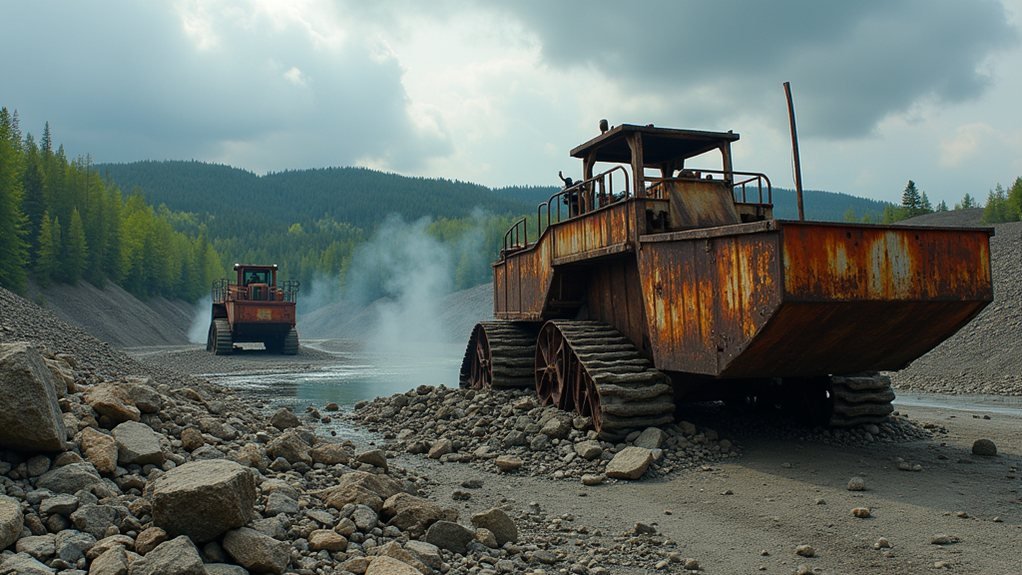

Re-mining waste sounds like a clever plan for eco-friendly resource recovery, but it’s a double-edged sword. On one side, it can help reduce our carbon footprints and salvage valuable materials. However, there’s a risk of disturbing hidden hazards like toxic tailings, which can release heavy metals into our waterways. To navigate this tricky terrain, new regulations are essential for keeping things safe and sound. Stick around to discover how well-crafted rules can protect our environment while promoting sustainability.
Quick Overview
- Re-mining activities often bypass necessary environmental reviews, increasing the risk of harmful ecological impacts from destabilized tailings ponds.
- Disturbing dormant mining waste can release heavy metals into waterways, threatening aquatic ecosystems and biodiversity.
- Outdated regulations hinder effective oversight, leaving gaps in the treatment of hazardous mining wastes.
- Enhanced regulations and standards are crucial to ensure safe resource recovery while protecting environmental health.
- Lifecycle assessments are essential for evaluating the full environmental impacts of re-mining, balancing recovery efforts and potential risks.
Exploring Environmental Risks and Benefits of Re-Mining Waste
Re-mining waste is like trying to salvage a treasure chest that’s been buried under years of neglect; it holds both promise and peril. On one hand, re-mining can reduce carbon footprints and conserve water, making it an eco-friendly option. However, it also risks destabilizing tailings ponds, potentially triggering disastrous dam failures. The immediate habitat loss from disturbing dormant waste can release heavy metals into waterways, contaminating ecosystems and drinking supplies. Furthermore, the toxic metals from mining wastes pose significant threats to both plant and animal life, complicating the environmental impact of re-mining efforts. A thorough lifecycle assessment helps quantify these environmental tradeoffs from raw material extraction through final disposal. The balance between recovery and risk is delicate. As companies explore re-mining, they must navigate these environmental hazards with caution, ensuring that the treasure they seek doesn’t come at an unmanageable cost to the planet.
Why Do We Need New Rules for Re-Mining?
In the world of resource recovery, outdated rules can feel like trying to navigate a maze with a blindfold on—challenging and fraught with potential missteps.
Abandoned mine waste often threatens water quality, yet existing laws permit only partial remediation. With fragmented regulations across various levels, the lack of uniformity complicates efforts to repurpose these resources safely. Furthermore, classification gaps leave many mining wastes in limbo, leading to inconsistent treatment. Responsible re-mining practices should incorporate biodiversity conservation principles similar to those used in sustainable forest management. As global standards evolve, new rules for re-mining are vital to guarantee extensive oversight, protect environmental health, and promote responsible resource recovery, turning hazardous legacies into sustainable opportunities. A permit is required for discharges of mine waste to ensure proper management and environmental protection. The physical and chemical composition of mining waste varies, presenting challenges and opportunities for innovation in its reuse.
How Can Regulations Mitigate Re-Mining Risks?
While the mining industry has long had a reputation for operating under a cloud of environmental negligence, new regulations could be the silver lining that transforms this narrative. Establishing specific environmental standards will hold mining companies accountable, replacing their voluntary compliance with firm rules. Enhanced inspection mechanisms and enforcement tools, like fines and permit denials, guarantee that violations don’t slip through the cracks. Furthermore, streamlined permitting processes can accelerate cleanup efforts without sacrificing oversight. Finally, reintroducing tribal consultations respects Indigenous rights, making the regulatory framework not just stronger, but also fairer. Regulations could pave the way for responsible re-mining, keeping both the land and communities safer. The Good Samaritan Law’s provisions could significantly aid in facilitating these responsible re-mining practices. Additionally, ensuring strong environmental protections will mitigate the risks associated with re-mining operations, ultimately benefiting both ecosystems and local communities.