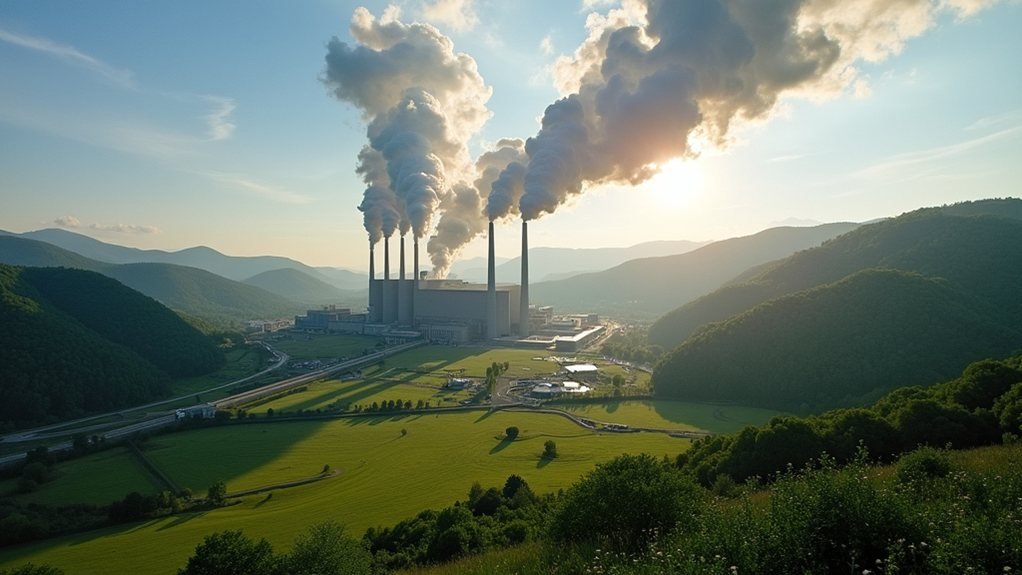

The $850 million no-waste coal plant in West Virginia is stirring up quite a buzz. It’s expected to create over 2,000 construction jobs and 200 permanent positions, with many offering salaries over $100,000. This investment utilizes FASForm technology, which transforms coal into cleaner products while slashing harmful pollutants. Local economies are likely to benefit from this technological turn, as fresh opportunities arise. If you think that’s intriguing, there’s more to uncover about its environmental and political implications.
Quick Overview
- The $850 million no-waste coal plant aims to create over 2,000 construction jobs and 200 permanent positions, boosting local employment.
- FASForm technology promises to reduce harmful pollutants and CO2 emissions, transforming coal into cleaner, high-value products.
- Critics argue the focus on coal could hinder the transition to more sustainable energy alternatives with lower environmental impacts.
- Political support includes $625 million in federal investments and efforts to ease regulations, positioning coal as vital for energy independence.
- The investment is seen as crucial for reviving West Virginia’s economy, potentially increasing GDP by 3% and enhancing local coal communities.
How the $850 Million Investment Benefits West Virginia
West Virginia just scored a monumental win with the $850 million investment in a no-waste coal plant, and it’s not just a victory for the coal industry; it’s a game changer for the entire state.
This project promises over 2,000 construction jobs and more than 200 permanent positions, many exceeding $100,000 annually. With an expected 3% boost to the state’s GDP, local economies will feel a significant jolt. Additionally, the facility will utilize the FASForm™ process to convert coal into fuels, fertilizers, and industrial carbon products with zero waste. Furthermore, this facility is expected to significantly increase new demand for Appalachian coal, benefiting coal-producing communities.
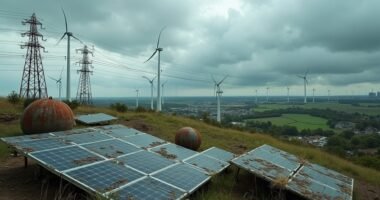
Plus, the plant’s strategic location along the Ohio River enhances logistics, making it a transportation powerhouse. Critics note that sustainable alternatives could provide soil regeneration benefits while creating similar economic opportunities with lower environmental impacts.
In short, this investment is the lifeline West Virginia has been waiting for—let the economic revival begin!
Environmental and Economic Impacts of FASForm Technology
While many might think coal is just a relic of the past, the introduction of FASForm technology proves that it can still be a heavyweight champion in both environmental and economic arenas.
This innovative process removes nearly all harmful pollutants like sulfur and mercury, turning coal into a cleaner, high-value product.
Think of it as a makeover for coal: it becomes a low-sulfur superstar, producing fuels like hydrogen and jet fuel while cutting CO2 emissions. The potential for this technology aligns with broader efforts in carbon capture methods that are essential for achieving climate goals. With efficiency that processes 7,500 tons daily, FASForm not only saves the planet, it also keeps the economy buzzing—no government handouts required! Additionally, the technology is positioned to impact the North American coal industry significantly. As coal processing plants contribute to local economies, FASForm technology has the potential to provide additional revenue streams for these facilities.
How Political Support Shapes the Future of the Coal Plant?
Political support can act like a turbocharger for the future of the coal plant, propelling it into a new era of energy production.
With $625 million in federal investments and strong backing from West Virginia leaders, coal is getting a serious upgrade. Governor Morrisey and others see coal as a cornerstone of energy independence—after all, who wouldn’t want reliable power without breaking the bank? Additionally, the opening of 13.1 million acres for new coal leasing is set to further stimulate growth in the industry.
Plus, easing regulations means more coal jobs and cheaper energy. While some may argue for wind and solar, coal’s revival feels like a classic comeback, proving that sometimes, the old dogs can still learn new tricks. The transition to renewable sources remains a critical step toward addressing climate change and ensuring long-term sustainability. Recent discussions about closing schools highlight the importance of stable energy sources for community resilience and educational continuity.