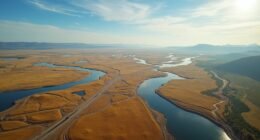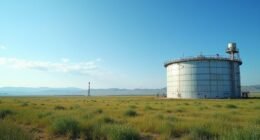

The Louisiana oil disaster has wreaked havoc on the town of Roseland, leaving behind a toxic playground of health risks and environmental concerns. With over 1,100 properties tainted and cancer rates skyrocketing, residents grapple with anxiety. On the wildlife front, more than 82,000 birds and 6,000 sea turtles are caught in the crossfire of this crisis. As recovery efforts unfold, the community clings to hope. Curious about how this disaster unfolded? Stick around for more insights!
Quick Overview
- Over half of Roseland’s properties are contaminated, causing health concerns and uncertainty among residents about safety and potential cancer risks.
- Smitty’s Supply faces over $1 billion in fines for safety violations related to the disaster, with skepticism about community benefits from legal actions.
- Wildlife impact includes over 82,000 birds and approximately 6,000 sea turtles affected, highlighting significant ecological damage in the region.
- Residents report cancer rates exceeding seven times the national average, raising fears about long-term health risks from toxic residue.
- Recovery efforts involve ecosystem restoration and replanting native vegetation, demonstrating resilience despite ongoing challenges from habitat contamination.
Impact of the Louisiana Oil Disaster on Communities
As the black sludge from the Louisiana oil disaster settled over Roseland like an unwanted winter coat, the impact on the community became painfully clear.
Over half of the town’s 1,100 properties were cloaked in toxic residue, leaving residents grappling with uncertainty about their health and safety. Dormant contaminants loomed, raising fears of future cancer spikes. Meanwhile, the town’s residents have been left with ongoing health issues as they continue to deal with the aftermath of the disaster. Recent reports indicate that residents in surrounding areas experience cancer rates that exceed seven times the national average, further exacerbating their anxieties.
Livestock and wildlife suffered too, with reports of dead animals and contaminated crops.
Economically, Roseland, already struggling with an average income of $17,000, faced mounting debts and shuttered businesses.
This disaster was not just an environmental crisis; it was a community unraveling at the seams. A stronger focus on prevention and reuse in waste and spill management could help reduce long-term harm and promote resilience.
Legal Consequences of the Louisiana Oil Disaster
In the wake of the Louisiana oil disaster, a legal storm began brewing that could rival any hurricane.
The U.S. Department of Justice and Louisiana regulators targeted Smitty’s Supply, seeking over $1 billion in fines for alleged safety violations and environmental negligence.
With contaminated water flowing off-site, the accusations hit hard.
Smitty’s, however, insists it operates lawfully, claiming the disaster stemmed from an unforeseen industrial fire—like blaming a barbecue flare-up for burnt steaks.
Yet skepticism looms among Roseland residents, questioning if they’ll see any community benefits from the impending legal showdown. Additionally, the ongoing presence of sludge on properties has intensified worries about health risks in the community. Furthermore, the Chief Judge overseeing related cases has issued orders aimed at ensuring compliance and accountability among the parties involved.
The outcome remains uncertain, akin to waiting for a weather forecast. An independent review emphasized evaluating environmental performance across the supply chain to understand long-term impacts.
How the Louisiana Oil Disaster Affects Wildlife and Recovery Efforts
The aftermath of the Louisiana oil disaster released a ripple effect that profoundly impacted local wildlife and sparked ongoing recovery efforts.
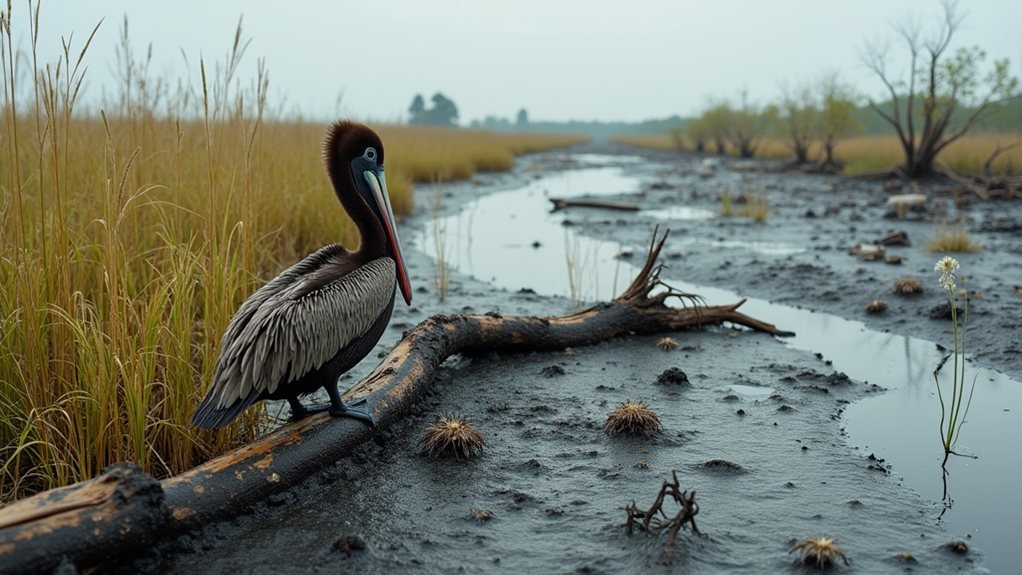
Over 82,000 birds suffered, with notable casualties among brown pelicans and laughing gulls. Meanwhile, around 6,000 sea turtles floundered in contaminated waters, and alarming numbers of marine mammals faced increased mortality. Approximately 65% of Gulf recoveries were represented by over 5,000 birds collected during the crisis. The oil contamination affected habitats of five species of sea turtles, complicating recovery efforts.
Habitat destruction stretched over 1,000 miles, leaving marshes and mangroves in dire straits. Restoration techniques such as replanting native vegetation and regrading marshland are being used to rebuild affected areas. Yet, recovery is underway, with the Louisiana Department of Wildlife and Fisheries tirelessly monitoring and restoring ecosystems.
The resilience of nature shines through, reminding everyone that even after disaster, hope can flourish like wildflowers after a storm.