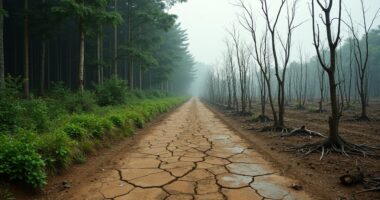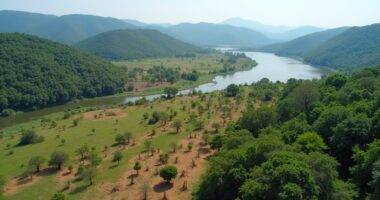

Reforestation efforts are blooming, even amid the gloom of climate doomscrolling. Think tree-seeding robots zipping around like high-tech gardeners, planting seeds that withstand harsh conditions. Local communities are stepping up too, turning tree planting into social events that not only green neighborhoods but also enhance air quality. Plus, mature trees pull in carbon like champions, helping us combat climate change. Curious about the latest in these green endeavors? There’s much more to explore!
Quick Overview
- Innovative reforestation techniques, such as tree seeding robots, significantly improve planting efficiency and target degraded landscapes.
- Community involvement in tree planting fosters environmental stewardship and enhances urban areas by increasing tree equity and biodiversity.
- Mature trees are crucial in climate change mitigation, absorbing significant amounts of CO2 and offsetting greenhouse gas emissions.
- Collaborative efforts between engineering firms and environmental organizations drive progress in sustainable reforestation practices.
- Continued investment in reforestation initiatives is essential for achieving long-term ecological sustainability and meeting climate targets.
Significant Advances in Reforestation Techniques
In the quest to combat climate change, the world of reforestation is buzzing with innovation, and it’s not just the trees that are getting a makeover.
Enter tree seeding robots, a partnership between AUMOVIO Engineering Solutions and Incotec, designed to plant seeds faster and more efficiently. With advanced seed coatings that can withstand harsh conditions, these robots reduce seed usage by up to 80% compared to traditional aerial seeding. They target remote, steep landscapes, opening over 10 million hectares of degraded land. This innovative technology focuses on increasing the effectiveness of reforestation initiatives, addressing the limitations of traditional methods. Moreover, reforestation enhances biodiversity by restoring wildlife habitats and combating species extinction, highlighting the multifaceted benefits of these advancements. These projects often incorporate native species that are better adapted to local conditions, ensuring more sustainable ecosystem rehabilitation.
Meanwhile, drones complement this tech-savvy approach, using machine learning to track forest changes and biodegradable sensors to monitor crucial soil conditions.
The Impact of Local Communities on Tree Planting
Community involvement in tree planting is like the secret sauce that brings the whole dish together. When residents unite to plant trees, they’re not just digging holes; they’re strengthening social bonds and cultivating a sense of ownership. These events become lively classrooms, teaching kids about the environment—because who doesn’t love a little dirt under the nails? Plus, in neighborhoods with fewer trees, planting initiatives help tackle the “tree equity” issue, improving air quality and community well-being. It’s like giving nature a much-needed hug. Local reforestation efforts contribute significantly to habitat restoration and provide essential corridors for wildlife movement within fragmented landscapes. Ultimately, communities thrive when they take charge, ensuring their urban forests flourish for generations, especially as seen with the over one million trees planted in cities needing them most. By planting trees in communities with low tree canopy, initiatives like these contribute not only to local beauty but also to significant environmental benefits such as improved air quality and climate resilience.
The Role of Trees in Combating Climate Change
Trees aren’t just nature’s way of showing off their leafy brilliance; they play a pivotal role in the fight against climate change, acting as the planet’s lungs.
Mature trees absorb about half a metric ton of carbon dioxide annually, while forests serve as Earth’s largest carbon sink, offsetting 16 percent of U.S. greenhouse gas emissions. Additionally, forest ecosystems serve as the largest land-based carbon sink on Earth, reinforcing their importance in mitigating climate change. Tree planting initiatives are crucial for both the UK and EU to meet their ambitious climate targets.
Sustainable management practices ensure forests continue to support biodiversity while providing timber and other valuable resources.
Planting 1.2 billion trees could sequester up to 28 million tons of CO2 annually—enough to power millions of homes!
Beyond carbon, trees reduce flood risks and cool urban areas.