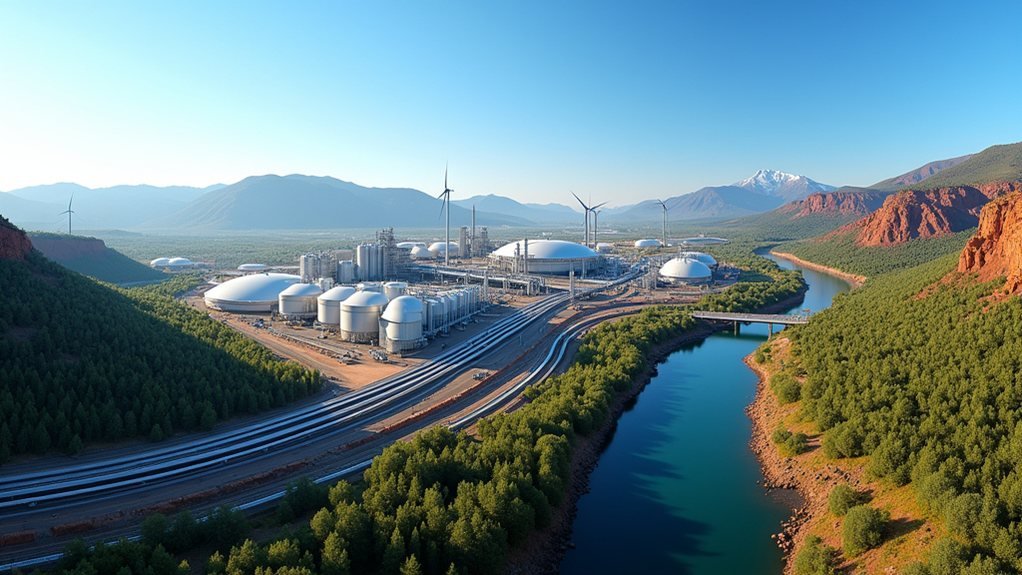

Indigenous-owned LNG facilities are flipping the script on energy export and reconciliation. Picture a game-changer: Indigenous communities evolving from mere consultants to proud stakeholders. With projects like Cedar LNG and Ksi Lisims, they’re not just involved; they’re leading. These ventures promise net-zero readiness by 2030, creating thousands of jobs while embodying environmental stewardship. It’s economic empowerment meets ecological wisdom—like transforming sunlight into lunch but for natural gas. Curious about how this dynamic evolves? Stay tuned.
Quick Overview
- Indigenous ownership models in LNG projects lead to direct influence over operations and financial returns.
- Indigenous-led LNG facilities like Cedar LNG and Ksi Lisims LNG support net-zero environmental commitments by 2030.
- Community-directed economic models drive job creation and wealth generation in Indigenous communities involved in LNG projects.
- Training programs increase Indigenous workforce participation, surpassing regional averages and empowering self-determination within energy sectors.
- Innovative structures, such as the Stonlasec8 Alliance, merge sustainability with financial and social benefits in energy export projects.
Why Indigenous Ownership Changes the LNG Game
Imagine stepping onto the energy playing field with equity partnerships in your back pocket—it’s a game-changer, and here’s why.
Indigenous communities, through direct ownership in LNG facilities, have shifted from merely being consulted to becoming key players. With stakes in projects like Cedar LNG, the Haisla Nation directly influences operations and garners significant financial returns. Recent investments indicate that Indigenous Communities are emerging as leaders in large energy infrastructure projects.
Indigenous nations are often involved earlier in LNG project development compared to existing pipeline ownership, ensuring they play a significant role from the outset. This doesn’t just fill pockets; it enriches entire territories. Economic participation models distribute benefits, building wealth rather than relying on traditional, less lucrative arrangements.
The collaborative approach, including Stonlasec8 Alliance’s strategic investments, reduces risk while multiplying opportunities. Picture it: power structures transformed by equity. AI-powered supply chain tools are increasingly being adopted to help these operations monitor and reduce Scope 3 emissions across complex energy export networks.
Environmental Outcomes From Indigenous-Led LNG Projects
Equity involvement isn’t just about financial gain; it’s also about transforming environmental commitments into reality. The Ksi Lisims LNG project, with ambitions for net-zero readiness by 2030, is akin to an energetic sprinter racing toward climate goals. Designed with exceptional climate standards, it’s committed to Canada’s broader climate objectives—because what’s more heartwarming than a project helping the planet and its community flourish? With safeguards tighter than a jar of pickles, legally binding conditions guarantee fish, bird, and Indigenous health are undeniable priorities. Monitoring akin to a CSI episode—assessing and tweaking actions—keeps the project environmentally sound, without compromising prosperity. Responsible stewardship of the land and waters surrounding the project reflects a broader philosophy that natural resource management must account for the needs of generations yet to come. This collaborative project approval, reflecting a substituted impact assessment by the Government of British Columbia, underscores meaningful Indigenous leadership in today’s energy transitions. The innovative ownership structure exemplifies economic reconciliation, allowing the Nisga’a Nation to emerge as both co-proponent and equity owner in one of the world’s largest Indigenous-led energy projects.
Community Growth and Jobs Driven by Indigenous LNG Facilities
In the burgeoning world of Indigenous LNG facilities, the community growth and job creation aspect is where the magic happens, quite like a well-tuned engine revving up an economic vehicle. These projects are more than pipe dreams; they’re pipelines of prosperity! With Ksi Lisims LNG providing over 5,000 construction jobs and Cedar LNG adding 500 at peak, they are working wonders for local economies. First Nations benefit directly through ownership and partnership agreements, providing them with substantial opportunities for economic empowerment and self-determination. Indigenous leaders emphasize the importance of Indigenous control over resource investments to ensure that benefits are directed back to their communities. And the commitment to Indigenous workforce participation? It’s like hitting the job creation jackpot—Indigenous laborers triple the regional average. Economic revenue doesn’t just trickle; it flows, providing essential services and long-term prosperity for communities involved. These investments also align with broader principles of impact investing, where financial returns are pursued alongside measurable environmental and social benefits for the communities involved.