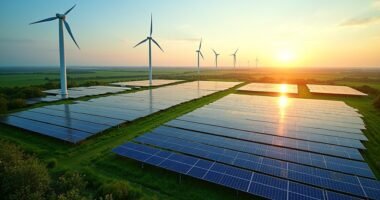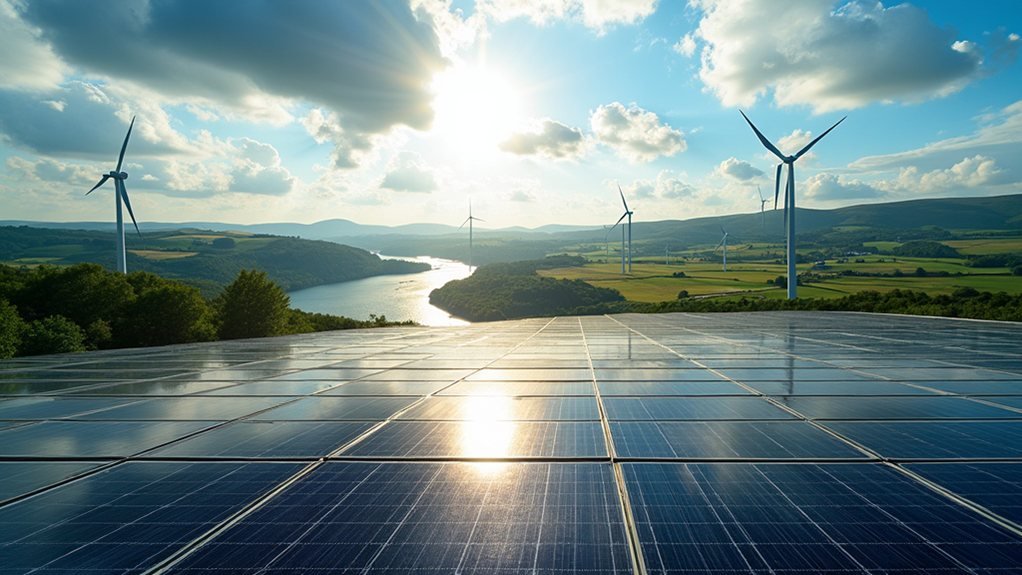

The UK’s push for clean energy is not just a trend; it’s a savvy strategy for enhancing energy security by March 2026. With wind and solar power soaring to new heights, the nation is swapping fossil fuels for renewables like a chef trading a frying pan for a grill. This shift promotes energy independence and sustainability but comes with challenges, such as grid connection delays and workforce shortages. Curious about the future? There’s plenty more to uncover!
Quick Overview
- The UK’s clean energy push enhances energy independence, reducing reliance on fossil fuels for national security.
- Transitioning to renewable sources like wind and solar significantly lowers carbon emissions and tackles environmental issues.
- The CleanPower2030 initiative aims for 95% renewable generation, boosting energy resilience by 2030.
- Electric vehicle growth aligns with clean energy goals, driving broader sustainability and innovation in the sector.
- Addressing workforce shortages and grid connection delays is crucial for successfully implementing clean energy solutions.
Why Clean Energy Matters for the UK’s Security
As the UK strides confidently into the future of clean energy, the connection between renewable sources and national security becomes increasingly apparent.
With wind energy contributing 37% of electricity in January 2026, it’s clear that a robust renewable sector reduces reliance on imported fossil fuels. In fact, fossil fuels now comprise only 25.7% of the energy mix, down from 49.9% a decade ago, bolstering energy independence.
This transition from carbon-intensive energy to sustainable alternatives represents a fundamental shift in how nations secure their power supply while addressing environmental concerns.
What Actions Are Driving Clean Energy Growth?
The landscape of clean energy in the UK is transforming at an exhilarating pace, driven by a mix of ambitious policies and innovative measures that have everyone buzzing like a well-oiled wind turbine.
Initiatives like CleanPower2030 aim to decarbonize the power sector by achieving 95% renewable generation, alongside the spectacular quadrupling of offshore wind capacity by 2030.
The Energy Independence Bill also sets the stage, creating a publicly owned energy company while phasing out fossil fuels.
The Energy Independence Bill paves the way for a public energy company and a fossil fuel phase-out, redefining the UK’s energy landscape.
Add in heat pump upgrades and new loan systems, and it becomes evident: the UK is charging head-first into a cleaner, greener future.
This transition mirrors the momentum in the electric vehicle market, where manufacturers are committing to phase out combustion engines and projections show significant growth ahead.
Future Outlook: Clean Energy Challenges and Opportunities
While the UK’s clean energy revolution accelerates with all the excitement of a roller coaster ride, the path ahead is not without its hurdles.
Grid connection delays threaten solar deployment, requiring a staggering 26.4 GW of new connections annually.
Meanwhile, a workforce of 400,000 more clean energy jobs will be essential, yet skill shortages loom like uninvited guests.
As gas holds a reserve role, the UK risks falling short of its Clean Power 2030 targets, especially with a projected 7.5 GW from the latest contract round.
Understanding the benefits of renewable energy sources like solar, wind, and hydro remains crucial for navigating these implementation challenges.
It’s a balancing act between ambition and reality, where each renewable leap must avoid missteps.