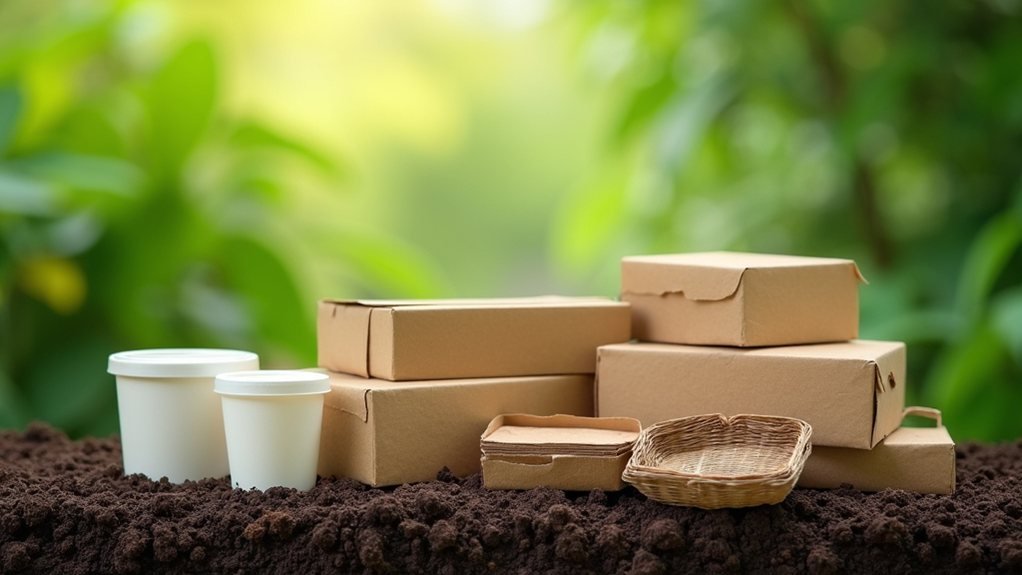

Sustainable packaging is shaping brand power as consumer demand surges. With 70% of shoppers choosing products based on eco-friendly packaging, businesses are innovating rapidly. Regulations like the 2026 EU PPWR push brands to adopt recyclable or reusable materials, while the rise of bio-based polymers and minimalist designs cater to environmentally-conscious consumers. As brands adapt, clear disposal methods become essential for consumers. And as the world turns towards greener practices, the insights ahead reveal more surprising trends.
Quick Overview
- By 2026, consumer demand for sustainable packaging will be driven by tighter regulations and a growing preference for eco-friendly brands.
- Transparency in sustainability claims will be essential, as consumers increasingly scrutinize labels for authenticity.
- Minimalist and attractive packaging designs that highlight sustainability will appeal to environmentally-conscious shoppers.
- Innovations in materials, like bio-based polymers and fiber-based options, will enhance packaging functionality and recyclability.
- Educating consumers on proper disposal methods will be crucial for maximizing the environmental benefits of sustainable packaging.
Consumer Preferences on Sustainable Packaging
Why, one might wonder, is sustainable packaging becoming the belle of the ball in the consumer marketplace? Simple: trust matters.
A whopping 77% of Americans feel more confident in eco-friendly brands. Gen Z leads the charge, avoiding excessive plastic like it’s a bad haircut—53% have ditched brands that overdo it. They scrutinize labels and demand genuine sustainability claims.
Picture shopping: 70% of consumers select products based on packaging sustainability, even paying more for it. As brands pivot to minimalist designs and recyclable materials, they’re not just packaging, they’re building relationships—one ethical box at a time, delighting both earth lovers and discerning shoppers. Companies are increasingly turning to biodegradable and compostable options as viable alternatives to traditional packaging materials.
How Regulations Boost Sustainable Packaging
Consumer awareness and preferences for sustainable packaging are not the only factors shaping this eco-friendly revolution; regulations are stepping into the spotlight, acting like the wingman every great brand needs.
In 2026, tighter EPR laws and the EU’s PPWR requirements mandate that packaging must be recyclable or reusable, pushing brands towards greener materials.
With bans and taxes on single-use plastics spreading like wildfire, companies must adapt or face penalties.
This regulatory pressure not only encourages innovation but also creates a more level playing field, ensuring that the race for sustainability is fair and fun—like a game of eco-friendly tag.
In the United States, state-level EPR regulations are increasingly influencing how brands approach material selection and packaging design decisions.
Key Innovations in Sustainable Packaging Materials and Their Benefits
As brands scramble to swap traditional materials for greener alternatives, it’s clear that innovation in sustainable packaging is like a revitalizing change in a stuffy room.
Bio-based polymers, derived from seaweed and mycelium, deliver plastic-like functionality minus the microplastics. Fiber-based materials like FSC-certified paper minimize emissions and enhance recyclability, making them the eco-friendly poster child.
Then, there are single-material systems that play recycling’s favorite game, keeping it straightforward.
And let’s not forget compostable materials, delightfully speeding up decomposition.
With intelligent coatings and low-VOC inks, the future of packaging is shaping up to be bright, bold, and sustainably chic! Understanding proper disposal methods for these materials ensures their environmental benefits are fully realized.