
By 2026, UK water bills are expected to jump by a whopping £639, turning heads and raising eyebrows. This comes amid a turbulent sewage crisis, prompting widespread concern over the effects of privatisation on the water industry. Aging infrastructure coughs up leaks like your uncle at a BBQ, while public discontent simmers like a pot ready to overflow. With investments pouring in to revamp the system, those intrigued by this liquid drama may find the story just beginning to trickle out.
Quick Overview
- UK water bills rose to £639 by 2026 due to infrastructure overhauls.
- Public anger intensifies amid sewage discharge issues and rising costs.
- Varying rate increases reflect regional discrepancies, with significant disparities.
- Citizens demand government intervention and systemic changes for better management.
- UNISON advocates for public ownership, challenging the privatisation model.
Why Are UK Water Bills Rising?
Envision this: the UK water bills are rising like bread in the oven, and you might be wondering, “Why the sudden inflation on my H2O expenses?”
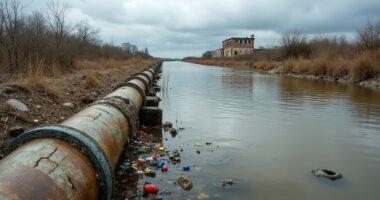
It turns out, the answer is in the pipes—literally. After decades of underinvestment, the UK’s aging infrastructure is like your gran’s old tea kettle: leaking just about everywhere. The major funding needed for the overhaul of the UK’s water infrastructure is primarily driven by customer bills, reflecting the urgency to address this pressing issue. Furthermore, initiatives to tackle water scarcity include both conservation techniques and sustainable water management approaches, ensuring that resources are utilized efficiently and effectively. Enter the cavalry: a £104 billion investment aims to overhaul this frail network by 2030. Water UK has set aside an impressive £20 billion for improvements specifically for 2026-27, focused on securing water supplies and managing discharges. With £20 billion earmarked just for 2026-27, it’s a pipe dream transforming into reality, complete with smart meters for early leak detection—hooray for technology and dry floors!
How Have Water Bills Changed Over Time?
From 2025 to 2026, water bills surged by £123 to £603, a 26% climb that might leave your wallet gasping for breath. Southern Water led this pecuniary parade with a whopping 47% increase, while Bristol Water tiptoed up just 4%. Like a seesaw refusing equilibrium, some opted for rate hikes akin to climbing Everest, while Essex and Suffolk Water’s 11% increase felt like a gentle stroll. Amidst these fiscal antics, regional discrepancies serve as the hidden puppeteer, pulling the strings. Additionally, the importance of accurately measuring GHG emissions through various methods has grown parallel to the increasing financial and environmental scrutiny faced by such utilities. Water UK announced a £2.70 monthly increase in water bills from April 2026, further burdening many households. In this rollercoaster of water bills, metered versus unmetered billing methods contribute to varying consumer costs, influencing each household’s financial challenges.
Public Reaction: Demand for Change
As Britons watched their water bills skyrocket like a rocket missing its target, the groundswell of public discontent surged in tandem with those unwelcome numbers.
Skyrocketing water bills fuel public discontent, mirroring a rocket’s ill-fated trajectory.
Citizens, as furious as a cat denied its nap, confront sewage discharges and pollution like unwanted guests at a surprise party. Polluted waters threaten both public and environmental health, with over 1,400 reported illnesses in 2025 after water exposure. Many water workers feel demoralised and unfairly targeted amidst media scrutiny, as they work under significant operational and financial constraints. The protection of watersheds can ensure clean water supplies and healthier ecosystems that benefit everyone.
Petitions like the “Dirty Business Petition” erupt, demanding government intervention reminiscent of asking parents to mediate a sibling quarrel.
Meanwhile, paddle-out protests make waves against corporate negligence.
UNISON stands firm, advocating for public ownership versus the “oops we did it again” privatization model.
Workers, bearing the brunt, echo calls for systemic change.